
Library | Finance relevance
Impact investors
Refine
750 results
REFINE
SHOW: 16


Business breakthrough barometer 2026: The annual pulse check from business on the pace of the climate transition
The Business Breakthrough Barometer 2026 surveys over 500 companies on the climate transition, finding 92% expect sustainability to deliver competitive advantage. While investment momentum holds, 68% of leaders see rising risks of a disorderly transition, urging predictable policy strengthening from governments to unlock private capital.
Social performance measurement: Practical insights and tips for financial institutions
This report by Shift distils insights from practitioner clinics for financial institutions on social performance measurement. It identifies key challenges and misperceptions, and provides eight practical tips for building more effective human rights due diligence measurement approaches, covering HRDD maturity assessment, theory of change, and quantification at scale.
Applying planetary boundaries: Effective risk management and value creation
This report examines how the Planetary Boundaries Framework translates nine critical global processes into material risks and value creation opportunities for investors and corporates. Seven of nine boundaries have already been breached. Tools, frameworks, and an investor engagement plan are outlined to support Earth-system-aligned capital allocation and long-term value creation.
Community engagement, nature and financial materiality: An evidence review on the financial effects of engagement with indigenous peoples and local communities on nature-related issues
This Shift report reviews the financial effects of corporate engagement with Indigenous Peoples and local communities on nature-related issues. Drawing on over 1,200 cases and approximately 40 publications, it finds that engagement quality is financially material, with poor engagement linked to significant operational, legal, and reputational costs.
From measurement to decision: How impact valuation is changing the way leaders decide
This paper by Valuing Impact examines how 19 organisations are moving beyond sustainability measurement to use impact valuation as a decision-making tool. Covering strategy, investment, steering, operations and stakeholder engagement, it presents case studies and six practical lessons for embedding impact data alongside financial information in real business decisions.
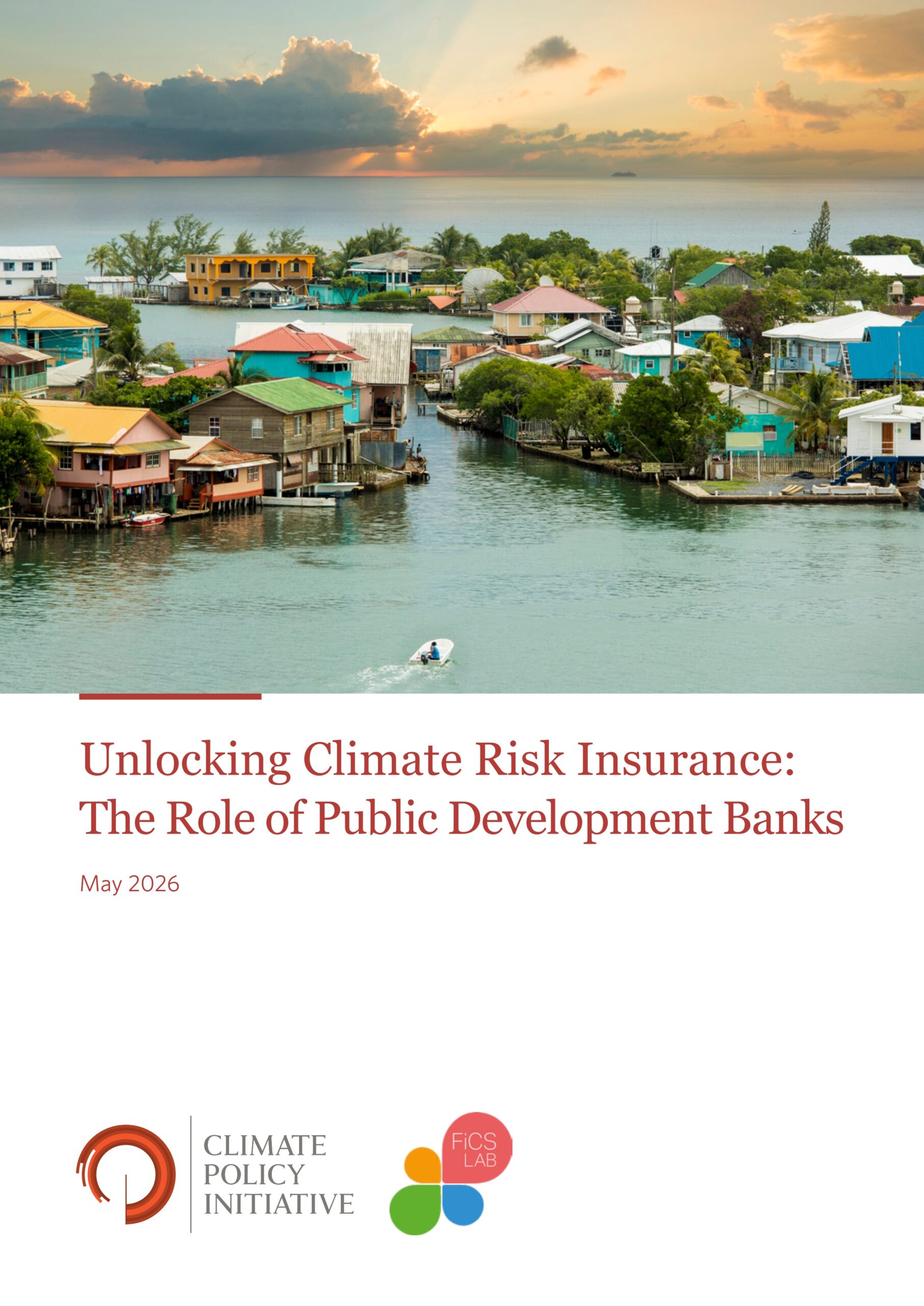
Unlocking climate risk insurance: The role of public development banks
This report examines how public development banks (PDBs) can expand climate risk insurance in emerging markets and developing economies. It identifies five key barriers to insurance uptake, analyses distinct roles for national, regional, and multilateral development banks, and provides recommendations to scale insurance solutions that build climate resilience.
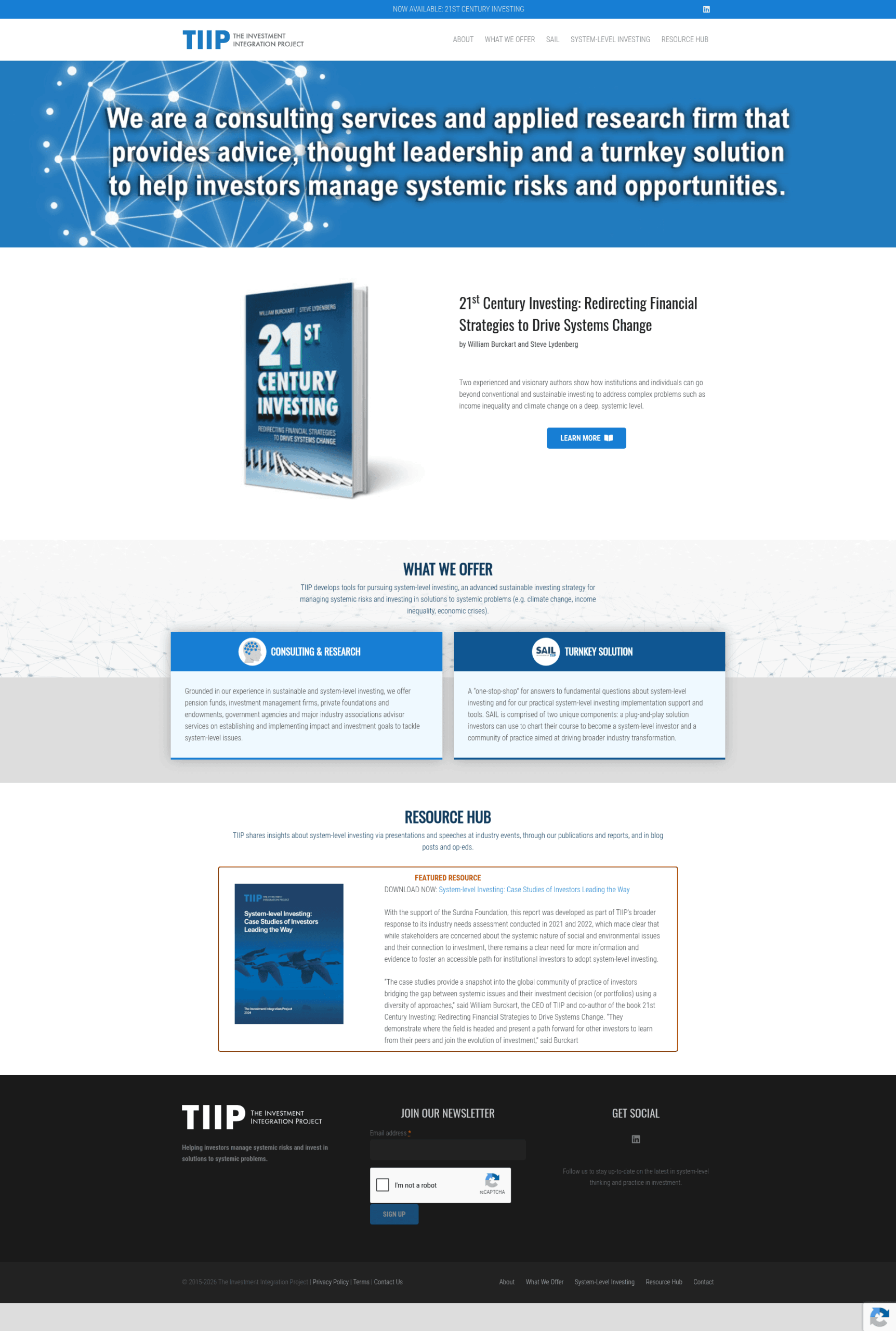
TIIP: The Investment Integration Project
TIIP develops tools and advisory services for system-level investing, helping institutional investors manage systemic risks related to climate change and inequality.
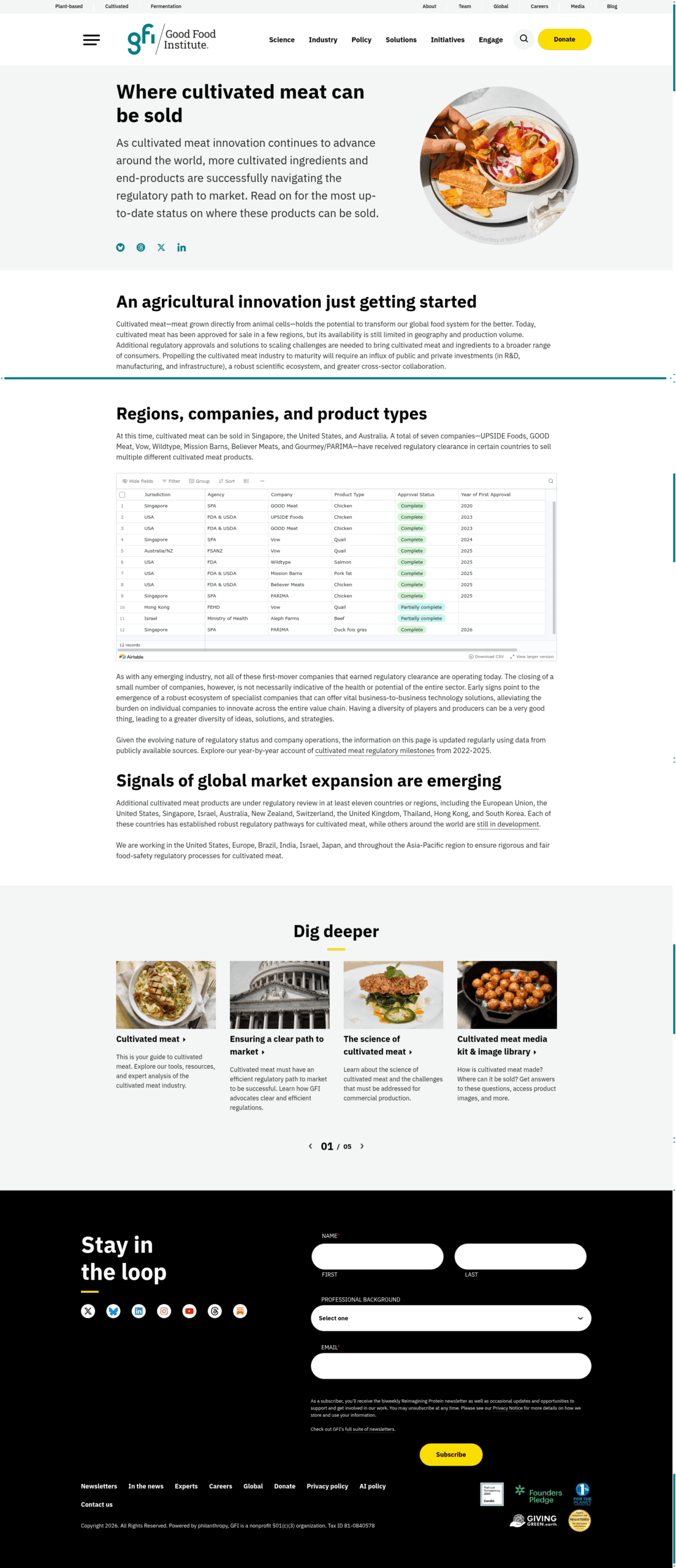
Where cultivated meat can be sold
An interactive tracker by The Good Food Institute mapping global regulatory approvals and market pathways for cultivated meat products.
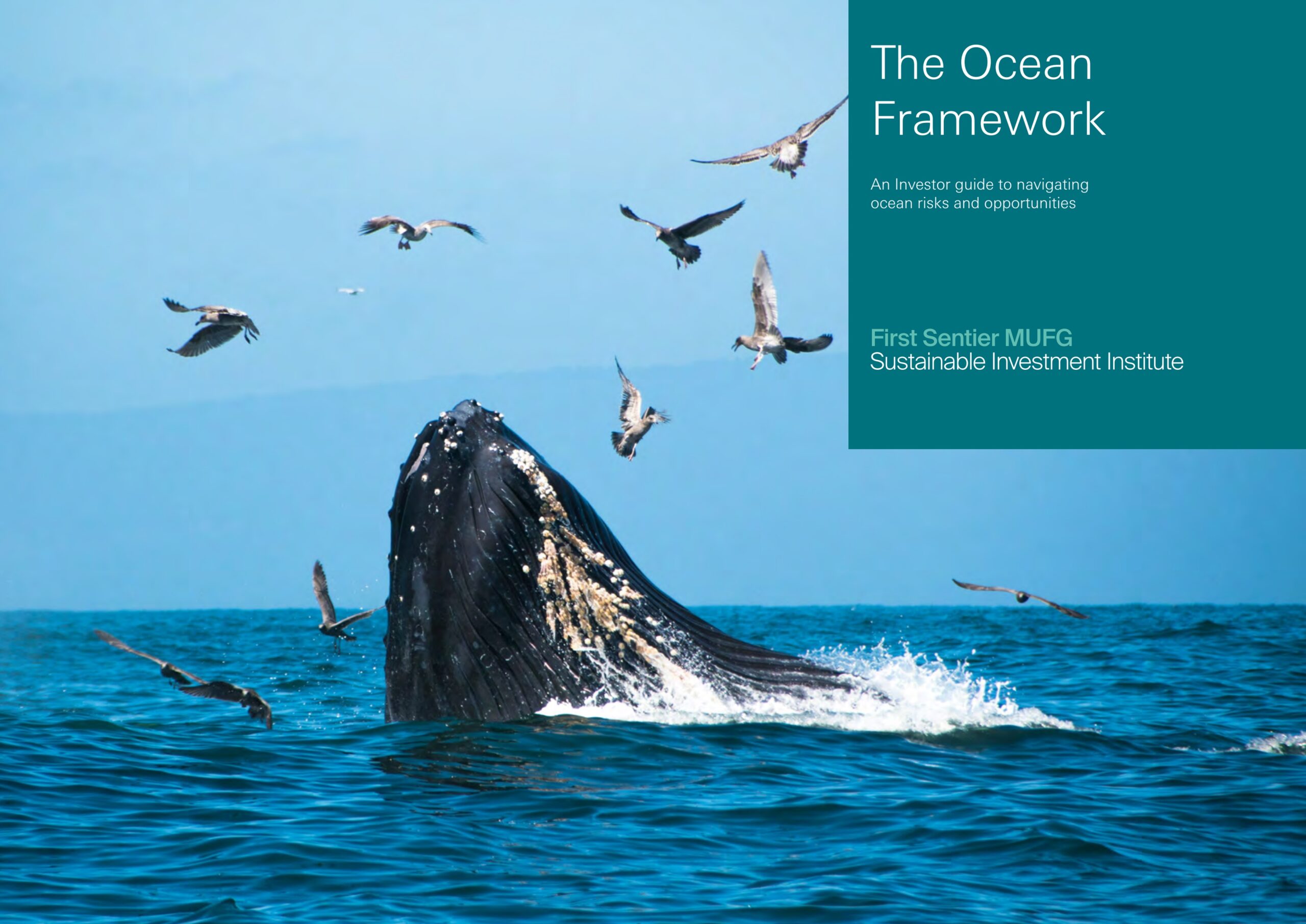
The Ocean framework: An investor guide to navigating ocean risks and opportunities
This investor guide examines ocean-related risks and opportunities across nine ocean-dependent sectors. It outlines five key drivers of ocean degradation, introduces a seven-step portfolio assessment framework, and provides sector-specific engagement guidance for fisheries, aquaculture and maritime transportation.
Anti-harassment policy and the startup labor market
This paper studies the effects of state-level NDA-weakening laws on hiring in over 50,000 U.S. VC-backed startups from 2014–2022. Anti-harassment reforms reduce female hiring by approximately 8%, concentrated among junior women and small startups, while also triggering internal restructuring including more female promotions and male manager departures.
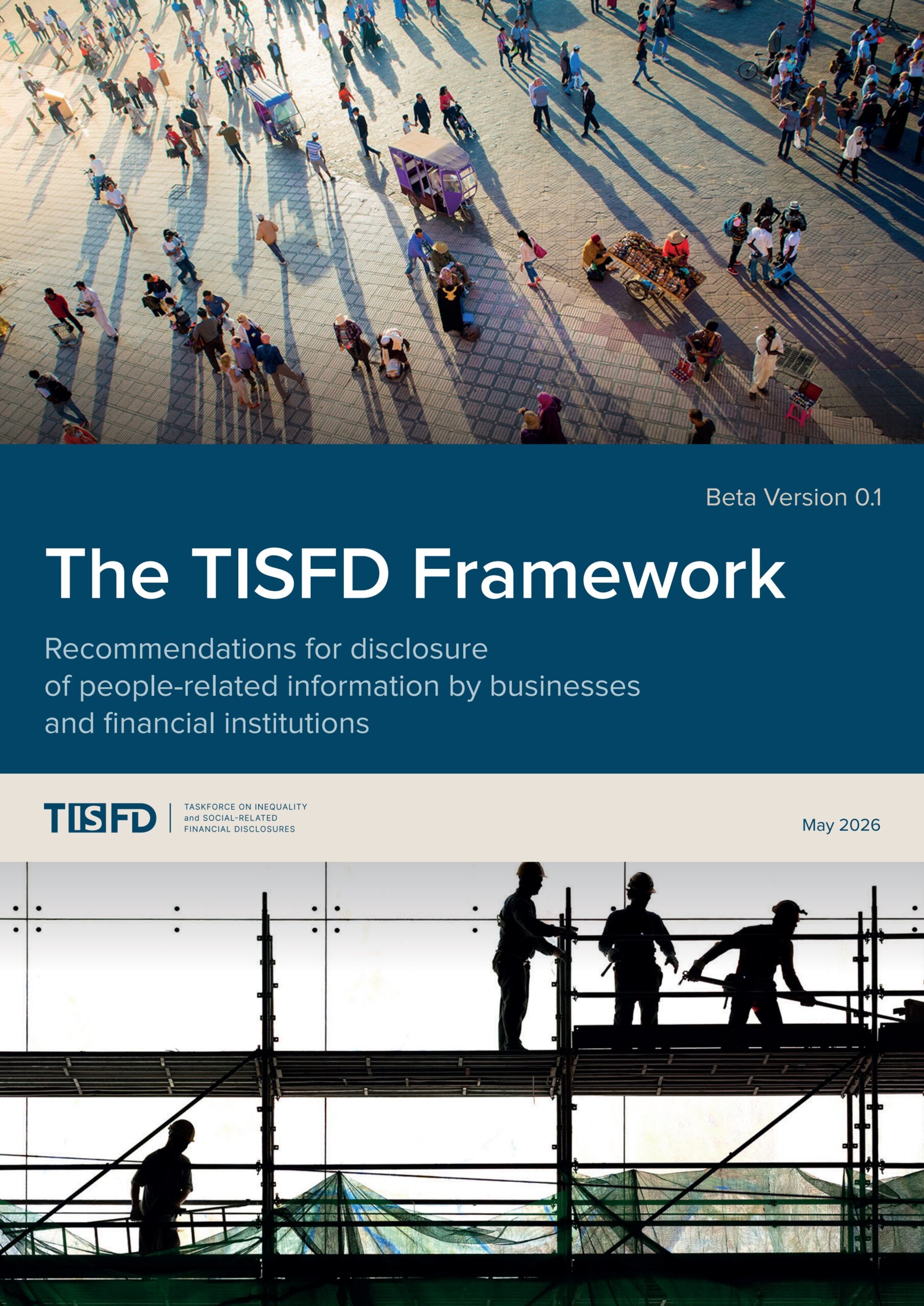
The TISFD framework: Recommendations for disclosure of people-related information by businesses and financial institutions
The TISFD Framework (Beta Version 0.1) presents draft disclosure recommendations for businesses and financial institutions on people-related impacts, dependencies, risks and opportunities. Building on ISSB, GRI and ESRS standards, it covers governance, strategy, and impact and risk management pillars, with metrics and targets to follow in future iterations.
The Swiss investors in the ICE system
This BreakFree Suisse research note examines Swiss institutional investors — including UBS, SNB, Zurich Insurance, and others — holding billions of dollars in US ICE contractors Palantir, AT&T, Geo Group, and CoreCivic. The report argues these investments conflict with the investors' stated human rights policies and ESG commitments.
Driving Australian climate innovation: Unlocking capital to support a clean industrial revolution
Commissioned by IGCC and authored by Pollination, this report reviews climate innovation policy in California, Denmark, the Netherlands, South Korea and Germany to identify gaps in Australia's policy landscape and recommend measures to drive transition industry investment, including strengthening the Safeguard Mechanism and establishing a national industrial strategy.
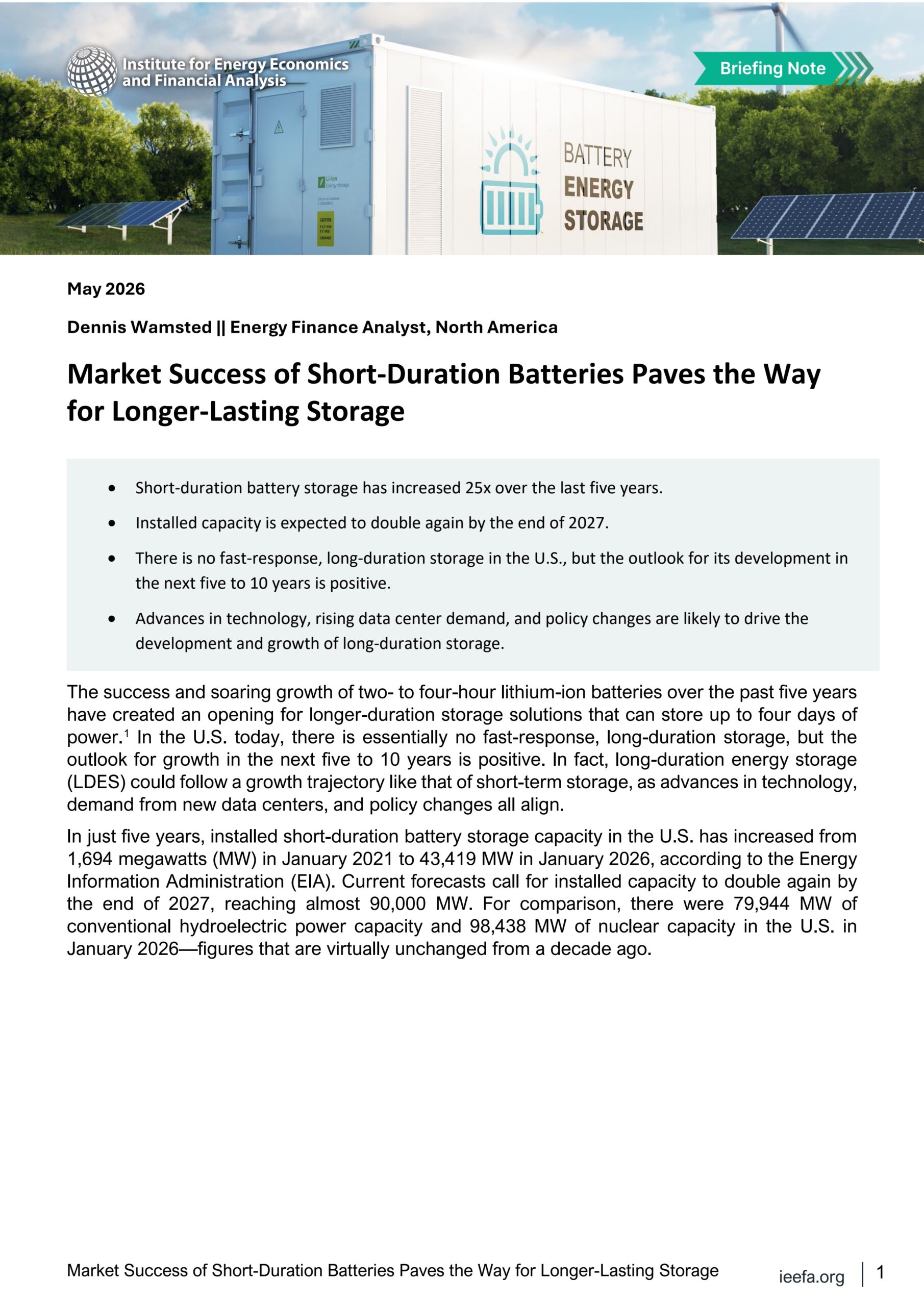
Market success of short-duration batteries paves the way for longer-lasting storage
Short-duration battery storage in the U.S. has grown 25x in five years, reaching 43,419 MW. This IEEFA report examines how that success is opening pathways for long-duration energy storage, driven by state mandates, data centre demand from AI companies, and advances in technologies including iron-air, liquid air, and carbon-oxygen systems.
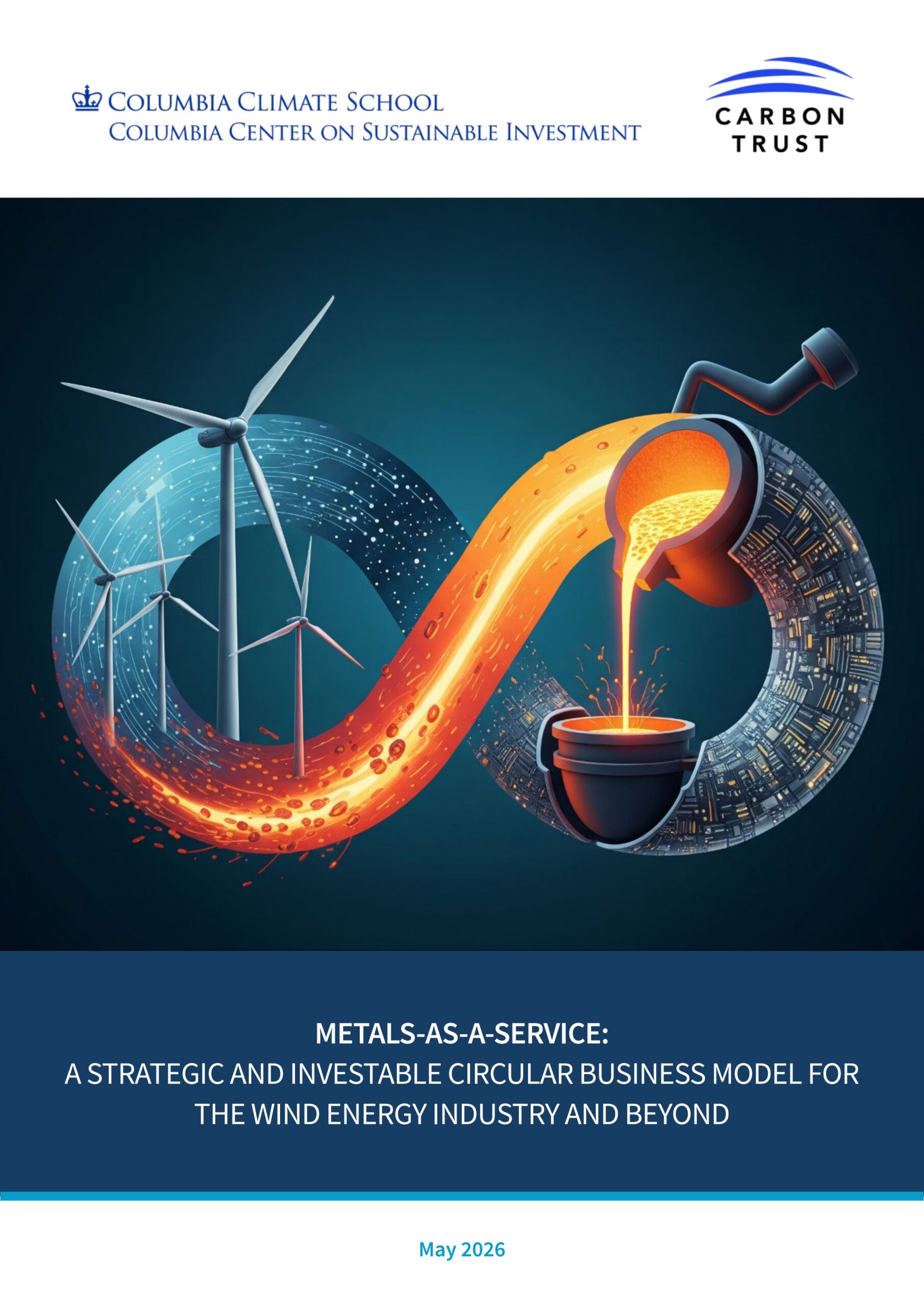
Metals-as-a-Service: A strategic and investable circular business model for the wind energy industry and beyond
Metals-as-a-Service (MaaS) proposes a circular business model for the wind energy sector and beyond, in which metal ownership is retained by a Special Purpose Vehicle throughout the asset lifecycle. The model converts metal procurement from capital expenditure into a service-based structure, enabling securitisation, improved supply security, and circular value creation.
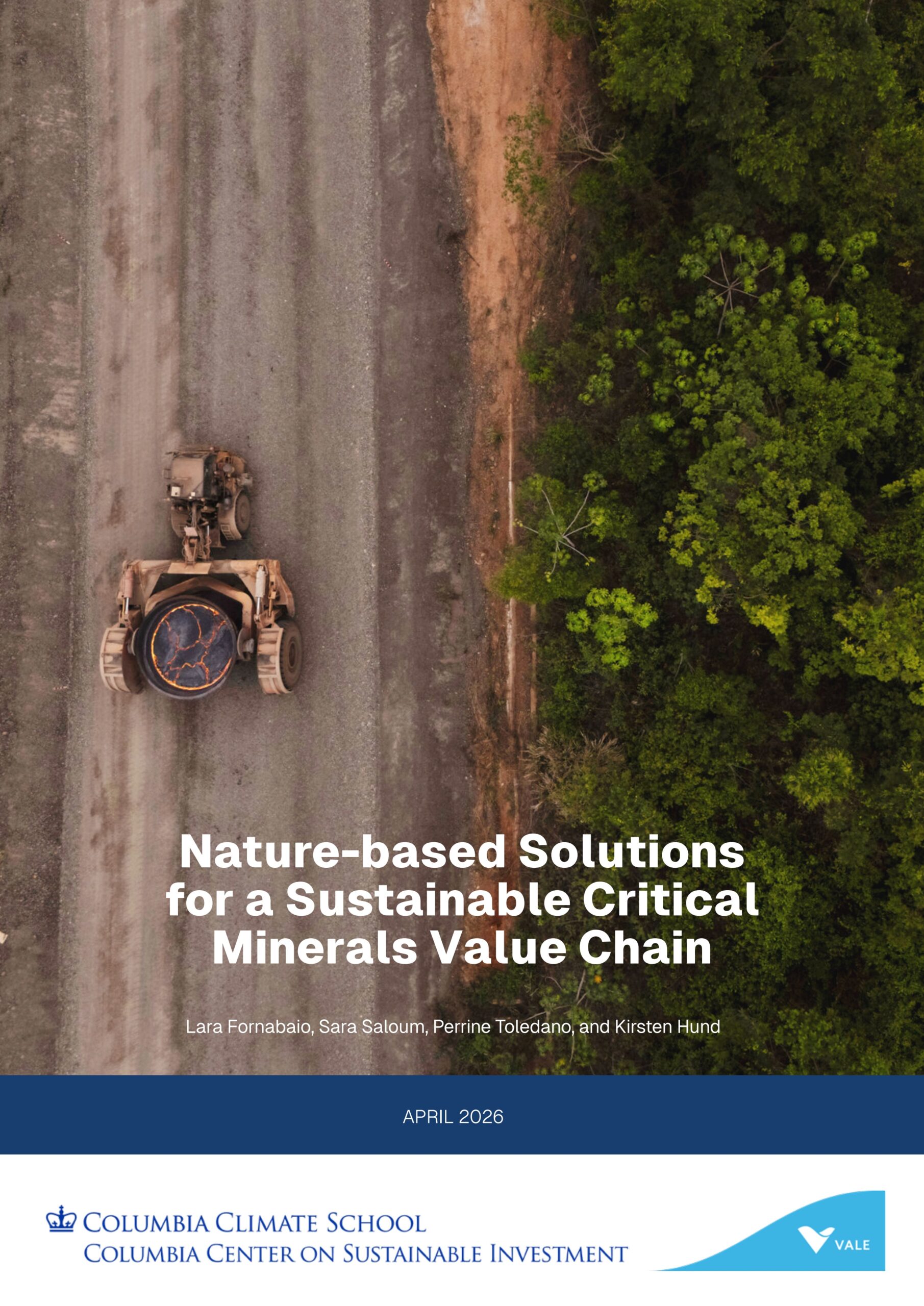
Nature-based solutions for a sustainable critical minerals value chain
This report examines how nature-based solutions (NbS) can be integrated into critical minerals mining. Drawing on case study research and expert events at Climate Week NYC and COP30, it identifies six resilience-building NbS categories and highlights the need for systems-based planning, community collaboration, and improved financing mechanisms.


