
Library | Finance relevance
Investment managers / asset managers
Refine
1394 results
REFINE
SHOW: 16


Why resilience starts with understanding extremes
Climate resilience requires understanding high-impact, low-probability tail risks. Rising temperatures are transforming extreme events into common occurrences. Using examples like the 2025 Los Angeles wildfires, this report advocates for assessing high-end warming scenarios and tipping points to evaluate the robustness of portfolios and assets against cascading physical risks.
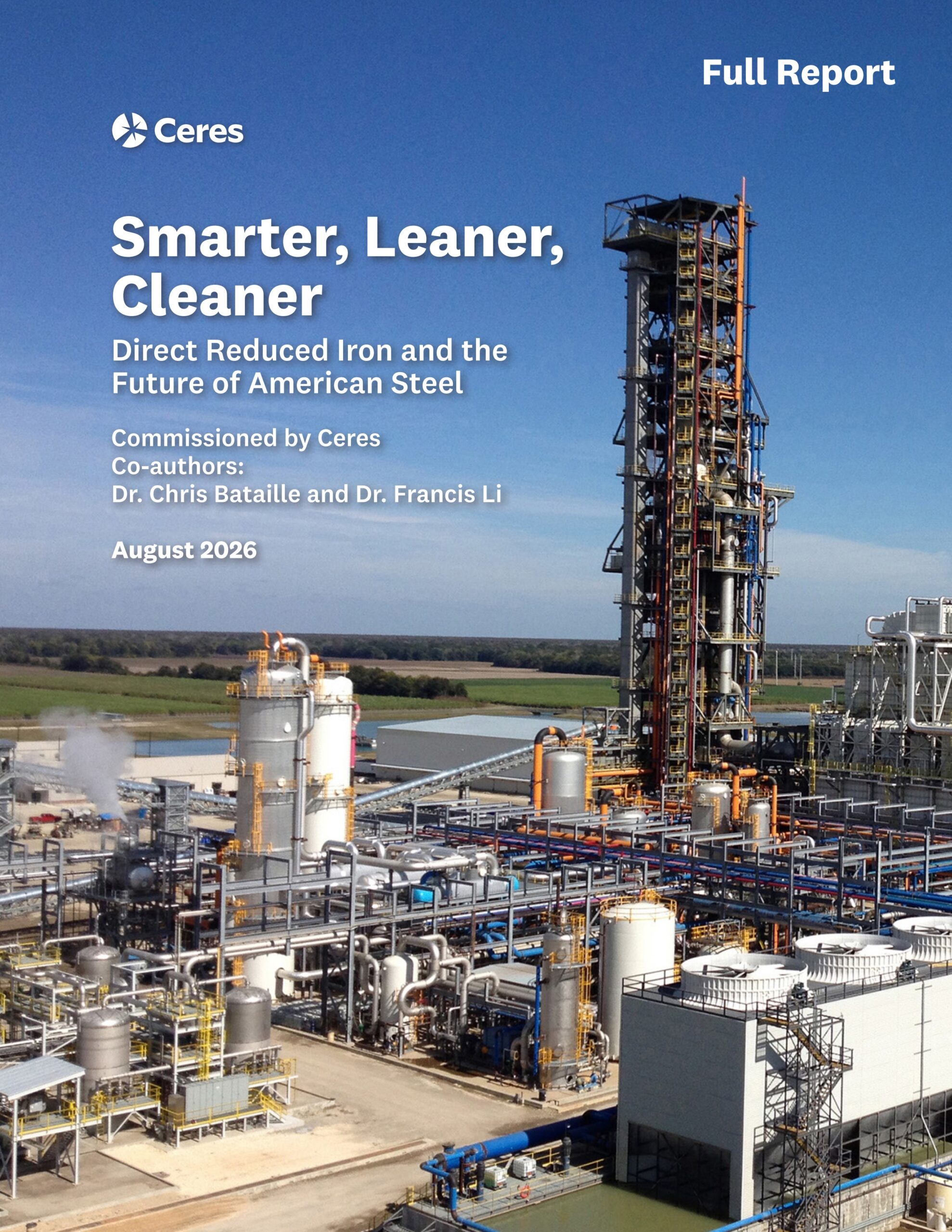
Smarter, leaner, cleaner: Direct reduced iron and the future of American steel
Direct Reduced Iron (DRI) is the most cost-effective new-build investment for the American steel sector. This analysis confirms that natural-gas-based DRI meets investment hurdles across all regions, offering a 15% real return and significant emissions reductions while providing flexibility for future hydrogen integration.
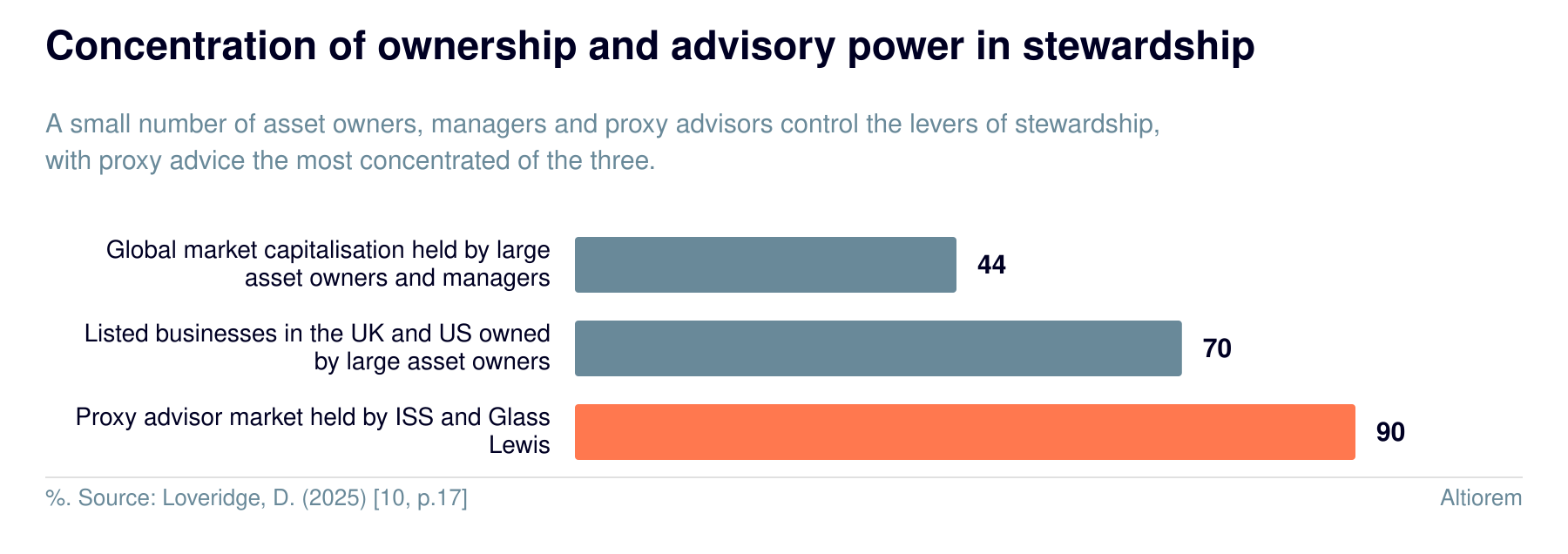
Does stewardship work in controversial sectors?
As at 2025 there were 56 stewardship codes worldwide, 49 of them jurisdiction-specific across 24 jurisdictions and six continents, yet the field has not agreed what stewardship is ultimately for. Codes and practitioner guidance converge on process: written policies, prioritisation by severity, escalation, contribution reporting. Legal scholarship published in 2026 questions whether shareholder pressure alone shifts corporate behaviour at all.
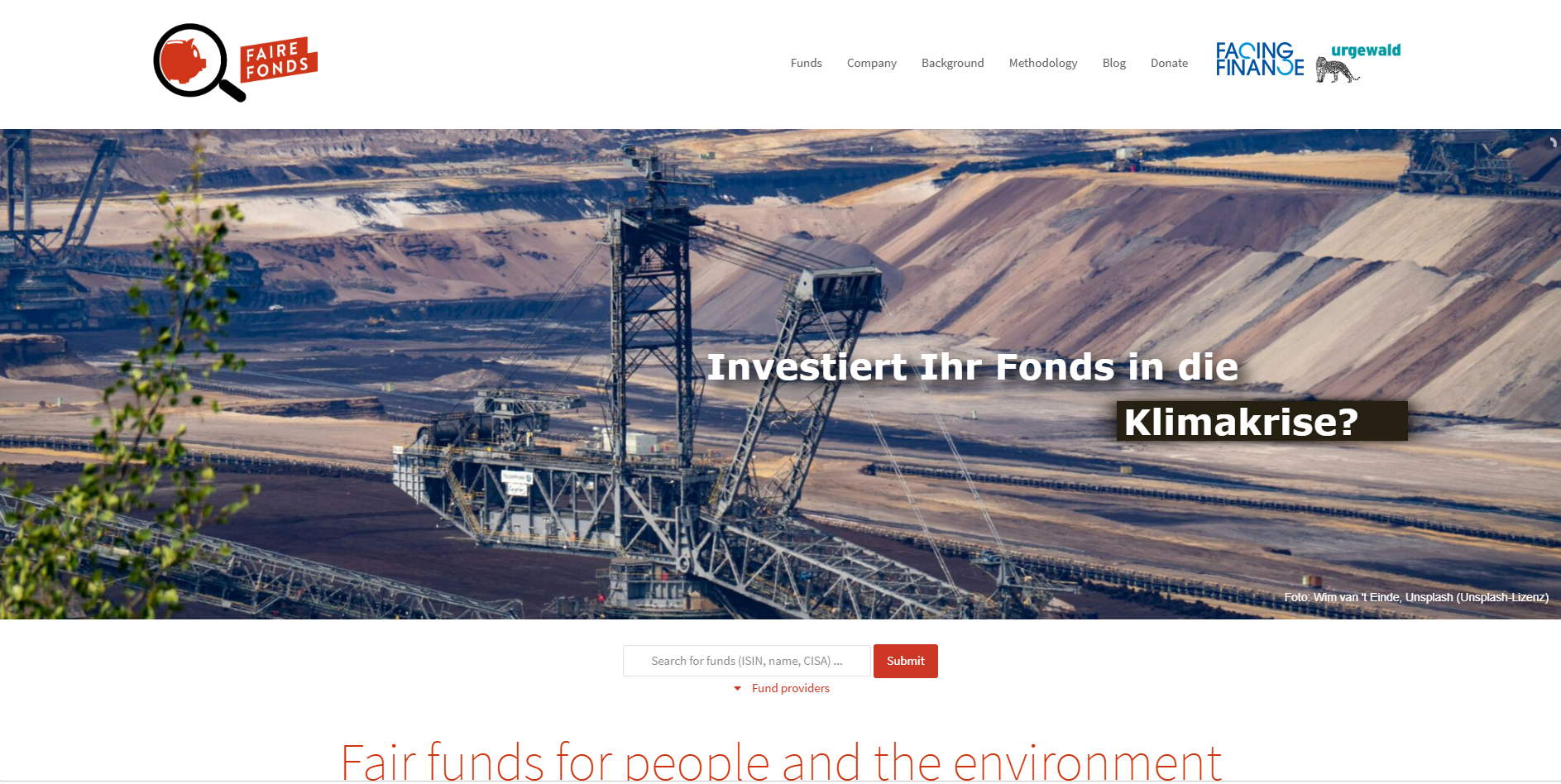
Faire Fonds Database
The Faire Fonds Database is a screening tool from Facing Finance and urgewald that analyses thousands of retail funds for controversial holdings. It identifies exposure to sectors like fossil fuels and weapons while highlighting potential greenwashing in ESG-labelled products.
What do sustainability disclosures disclose?
This research analyses over 15,000 sustainability disclosures from Russell 3000 firms. It finds that while reporting has surged since 2015, informative quality has declined. Adoption of voluntary standards yields mixed results, correlating with reduced 'fluff' but lower narrative specificity. Improvements primarily reflect selection effects rather than organisational learning.

Climate Risk Signals Explorer
The Climate Risk Signals Explorer is an AI-powered analytical tool by Climate Proof that tracks climate risk mentions in corporate earnings calls, helping finance professionals monitor physical and transition risks.

Closing the gender health gap: The investment case and capturing Australia's window of opportunity
This report identifies the gender health gap as a systemic market failure and significant investment opportunity. Closing this gap could boost the global economy by US$1 trillion annually by 2040. In Australia, the opportunity is valued at US$24.8 billion per year, offering a time-limited ten-year window for investors.
How certain can we be about NGFS Climate Scenarios?
This research analyses uncertainty in Network for Greening the Financial System (NGFS) climate scenarios across four vintages and 254 variables. It finds that revisions to initial conditions and model recalibration often exceed scenario and model uncertainty, requiring cautious interpretation in financial risk assessments.
Best practice transition plans for listed equity asset managers
Most listed equity managers now have a target. Fewer have a plan that shows how it will be met. By January 2024, 264 Net Zero Asset Managers signatories had had their targets reviewed. Method is no longer the hard part.
AI managed household portfolios: A preliminary report
This research investigates AI-managed household portfolios, finding that large language models recommend undiversified portfolios concentrated in high-momentum, large-cap technology stocks. While returns may exceed market benchmarks, they do not provide abnormal returns when adjusted for risk characteristics. Recommendations are primarily driven by media attention rather than investment skill.
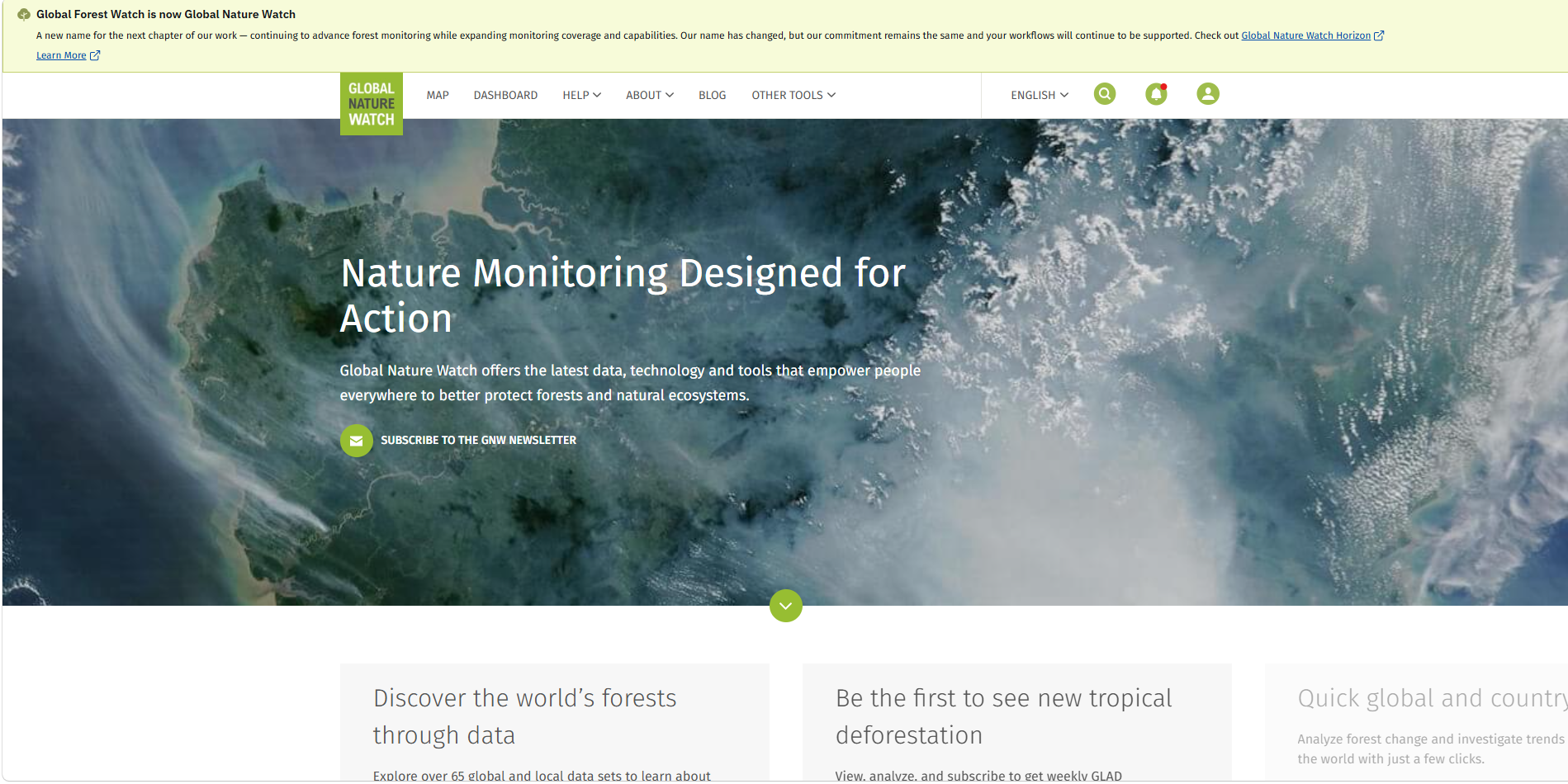
Global Nature Watch
Global Nature Watch is an AI-powered Earth monitoring platform developed by the World Resources Institute and Google. It provides near-real-time data on land-use changes across various ecosystems to support nature-based risk assessment and environmental reporting.
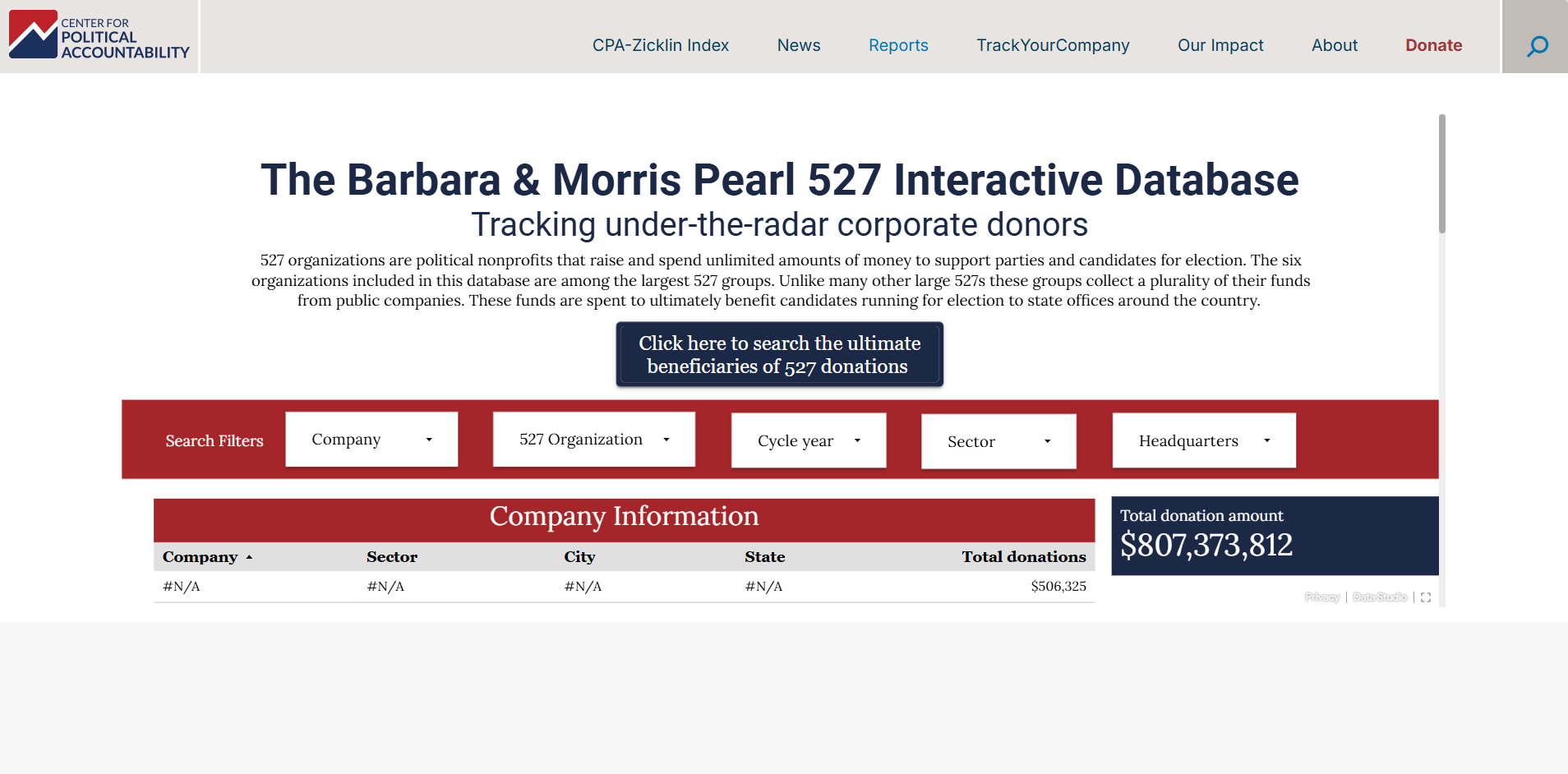
The Barbara and Morris Pearl 527 Interactive Database
The Barbara and Morris Pearl 527 Interactive Database tracks political donations from publicly traded US companies to 527 committees. Developed by the Center for Political Accountability, it helps finance professionals assess corporate governance and reputational risks related to political spending.
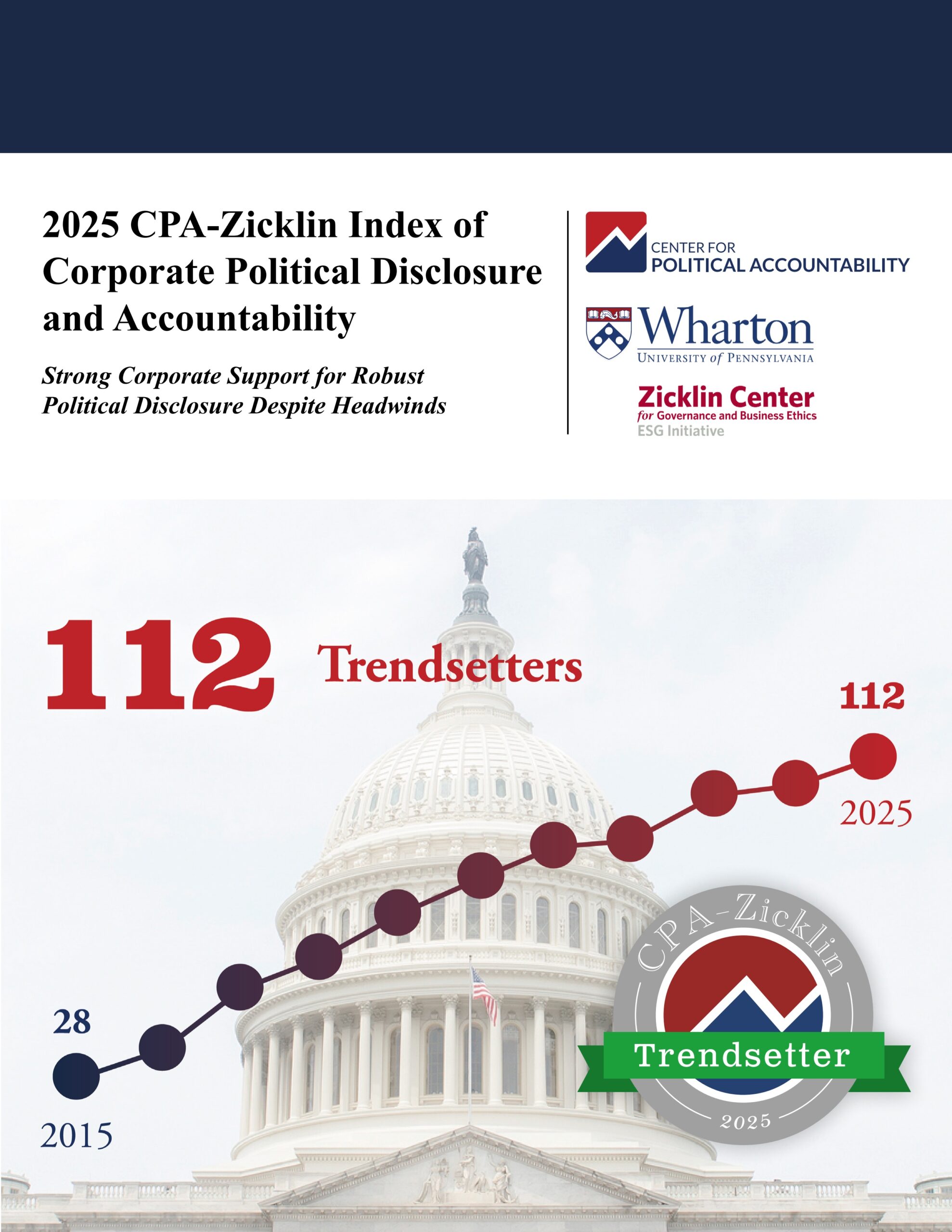
CPA-Zicklin Index of Corporate Political Disclosure and Accountability
This benchmark series evaluates corporate political disclosure and accountability practices among major US companies. It provides a structured analysis of transparency, board oversight, and spending policies for the S&P 500 and Russell 1000, enabling stakeholders to assess political risk and governance standards across different industries.
Climate change mitigation and adaptation: What works for data centres? Part 3
This report evaluates climate change mitigation and adaptation strategies for data centres using the ClimaTech database. It assesses the effectiveness of decarbonisation across three scopes and analyses resilience measures for flood, storm, heat, and wildfire risks, providing quantitative performance metrics for various technological solutions.
ASEAN sustainable finance state of the market series
This series by the Climate Bonds Initiative examines the development of sustainable finance markets across ASEAN. It covers green, social, sustainability and sustainability-linked debt instruments, alongside market structures, taxonomies, transition finance and policy developments supporting sustainable capital markets across the region.

The climate premium on commercial real estate insurance
This report analyses rising insurance costs in the United States commercial real estate sector. It finds that premiums have surged 154% since 2017, driven by climate risk and reinsurance trends. High-risk markets face significant valuation erosion, with multi-family properties particularly impacted by increased financial burdens and pricing volatility.


