
Library | Finance relevance
Investment managers / asset managers
Refine
1394 results
REFINE
SHOW: 16


Reframing financial markets as complex systems: Tools for systemic risk analysis, portfolio management, and system-level investing
This report explores financial markets as complex adaptive systems, advocating for modelling techniques like agent-based models and network theory. It highlights how these tools improve systemic risk analysis and portfolio management by capturing non-linear behaviours, herding, and interconnectedness, providing a framework for more resilient and adaptive global financial systems.
Beyond commitments: Assessing real capital deployment for net zero across 26 high-emitting companies, against the IGCC Capital Allocation Alignment Framework
This research assesses capital allocation alignment with net-zero commitments across 26 high-emitting companies using the IGCC Framework. It finds that while climate strategies are strong, capital sourcing and fossil fuel phase-down plans lag. European companies lead in performance, while the Americas and oil and gas sectors trail significantly.
Legal liability vs. proportional representation: What works in improving poor investor protection?
This research evaluates Korean governance reforms, comparing director legal liability with proportional representation. Findings indicate that markets react positively to increased director liability, especially for undervalued firms. Conversely, mandated proportional representation triggers negative reactions, as investors fear boardroom conflicts may hinder strategic decision-making and reduce board cohesion.
Expanding the investible market for adaptation: The value and path for institutional investors
This report examines the business case for institutional investors to prioritise climate adaptation. It identifies a multi-billion dollar annual financing gap and outlines how resilience expertise enhances investment performance. A framework of recommendations is provided to help investors navigate asset, network, and economy-level resilience within the Australian context.
Just adaptation: An introduction for institutional investors
This report introduces institutional investors to 'just adaptation', highlighting the financial materiality of fair and equitable climate resilience. It outlines how incorporating social equity into adaptation strategies protects long-term returns, maintains social licence, and identifies priority actions for investors to support vulnerable communities while managing systemic climate risks.
2026 Sustainable investment trends
This report analyses sustainable investment trends for 2026, examining physical climate risk, the energy transition, and Asia’s leadership. It addresses the influence of artificial intelligence on power demand and emission targets, alongside structural challenges in the health care and food production sectors, highlighting resilience and adaptation as key priorities.
Annual sustainable investment asset owner survey series
This benchmark series examines global asset owner attitudes and approaches to sustainable investment. It tracks adoption levels, thematic priorities, and perceived barriers across diverse regions and asset classes. The research provides factual insights into how sustainability factors are integrated into core investment practices, aiding portfolio construction and risk management.
Limited impacts of shareholder pressure on climate strategy of fossil firms
This research examines shareholder pressure on US fossil fuel firms’ climate strategies. Using NLP to analyse 10-K filings and SEC regulatory changes, it finds limited impact on substantive reforms. Firms often employ symbolic disclosures or procedural tactics to resist decarbonisation, suggesting that mandatory policy is required for transition.
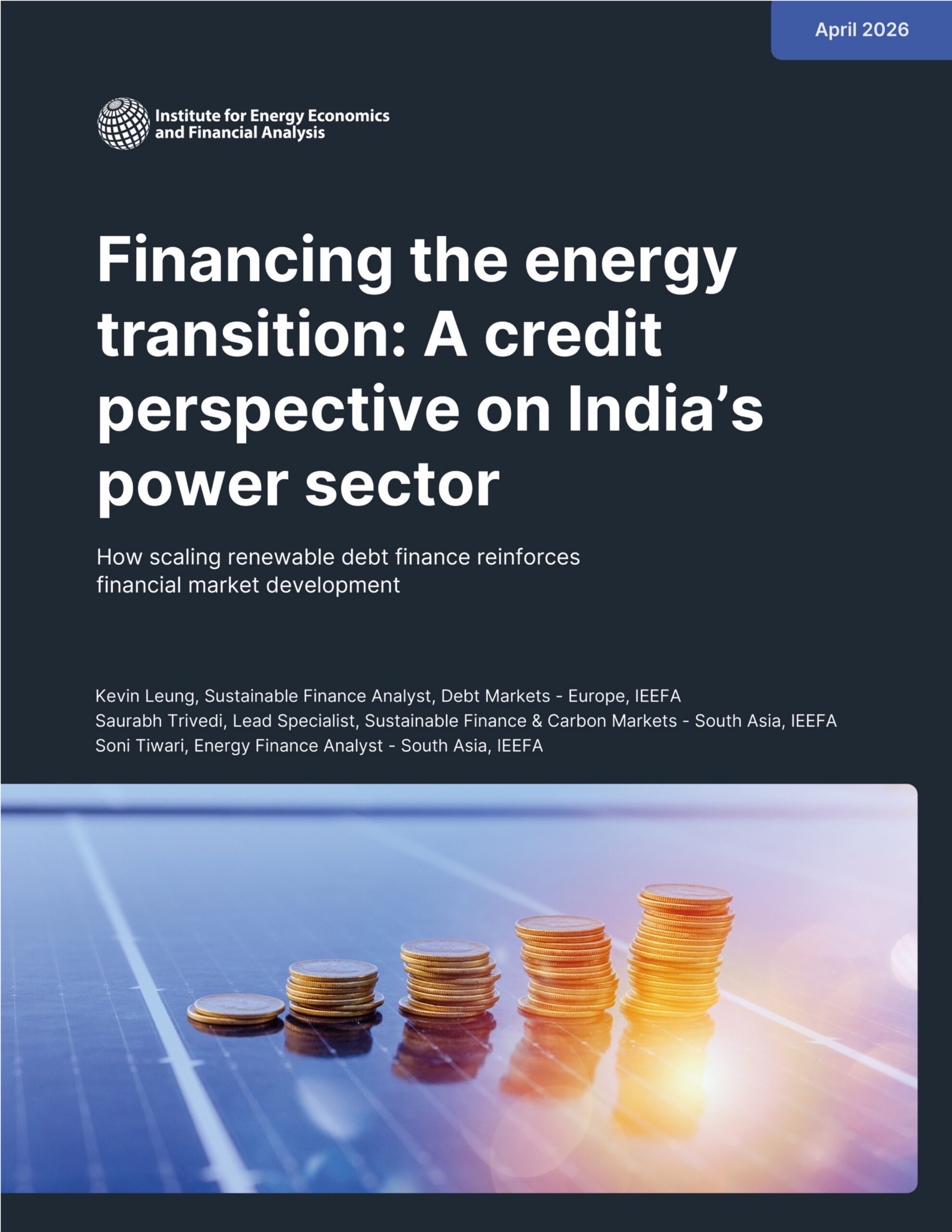
Financing the energy transition: A credit perspective on India’s power sector
This report examines India’s power sector transition from a credit perspective. It highlights the structural divergence between renewable and thermal assets, identifies bottlenecks in domestic debt markets, and recommends strategies to unlock large-scale financing, including the pivotal role of NTPC and the need for deeper institutional investor participation.
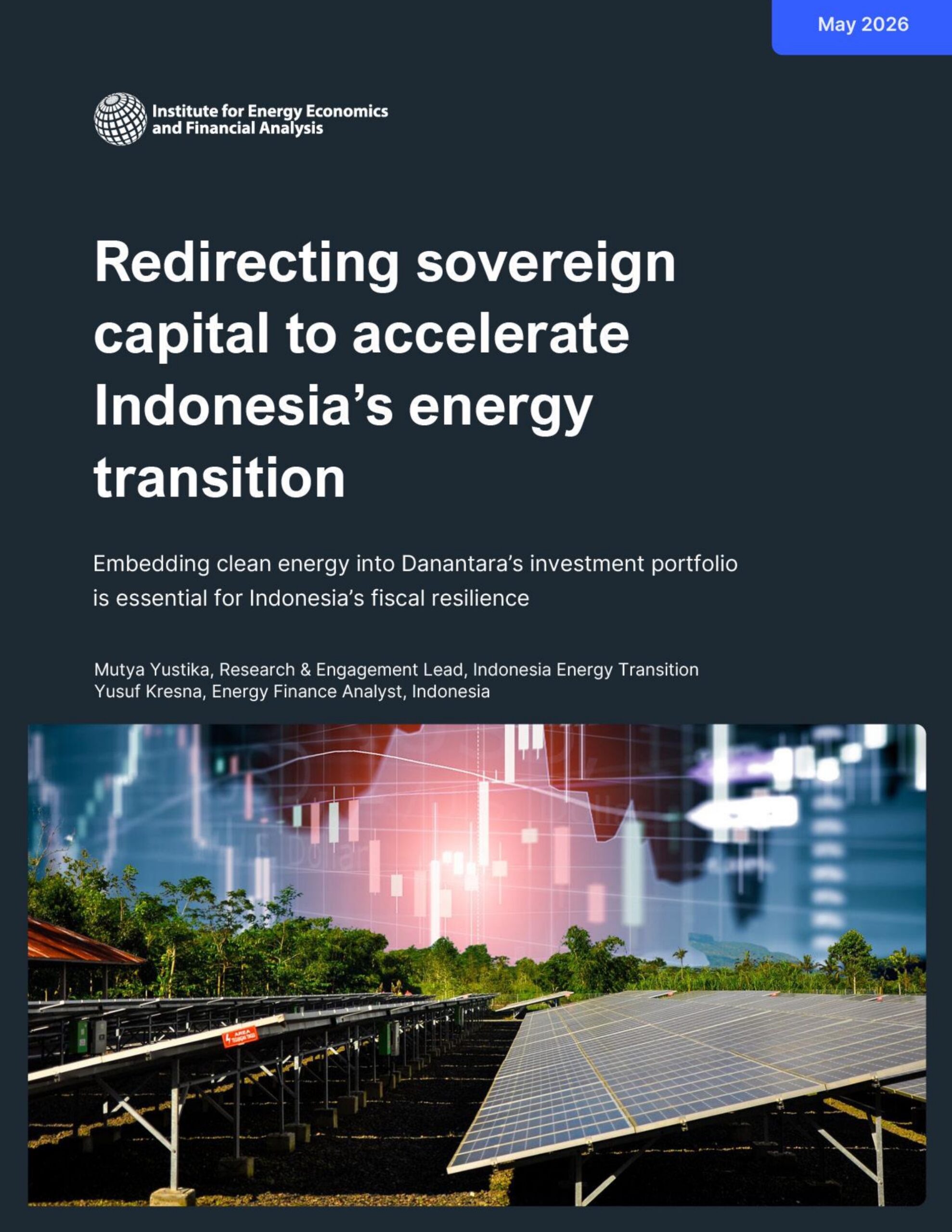
Redirecting sovereign capital to accelerate Indonesia’s energy transition
This report examines Indonesia’s sovereign wealth fund, Danantara, and its role in the energy transition. It highlights the fiscal risks of subsidy-dependent energy SOEs and recommends a strategic shift towards renewables. Drawing on global SWF experiences, it advocates for portfolio diversification to ensure long-term profitability and national energy security.
Climate Data Store (CDS)
The Climate Data Store (CDS) is an open-access platform providing authoritative climate datasets, including historical reanalysis and future projections. It enables finance professionals to assess physical climate risks, track greenhouse gas emissions, and integrate evidence-based environmental data into ESG reporting and investment analysis.
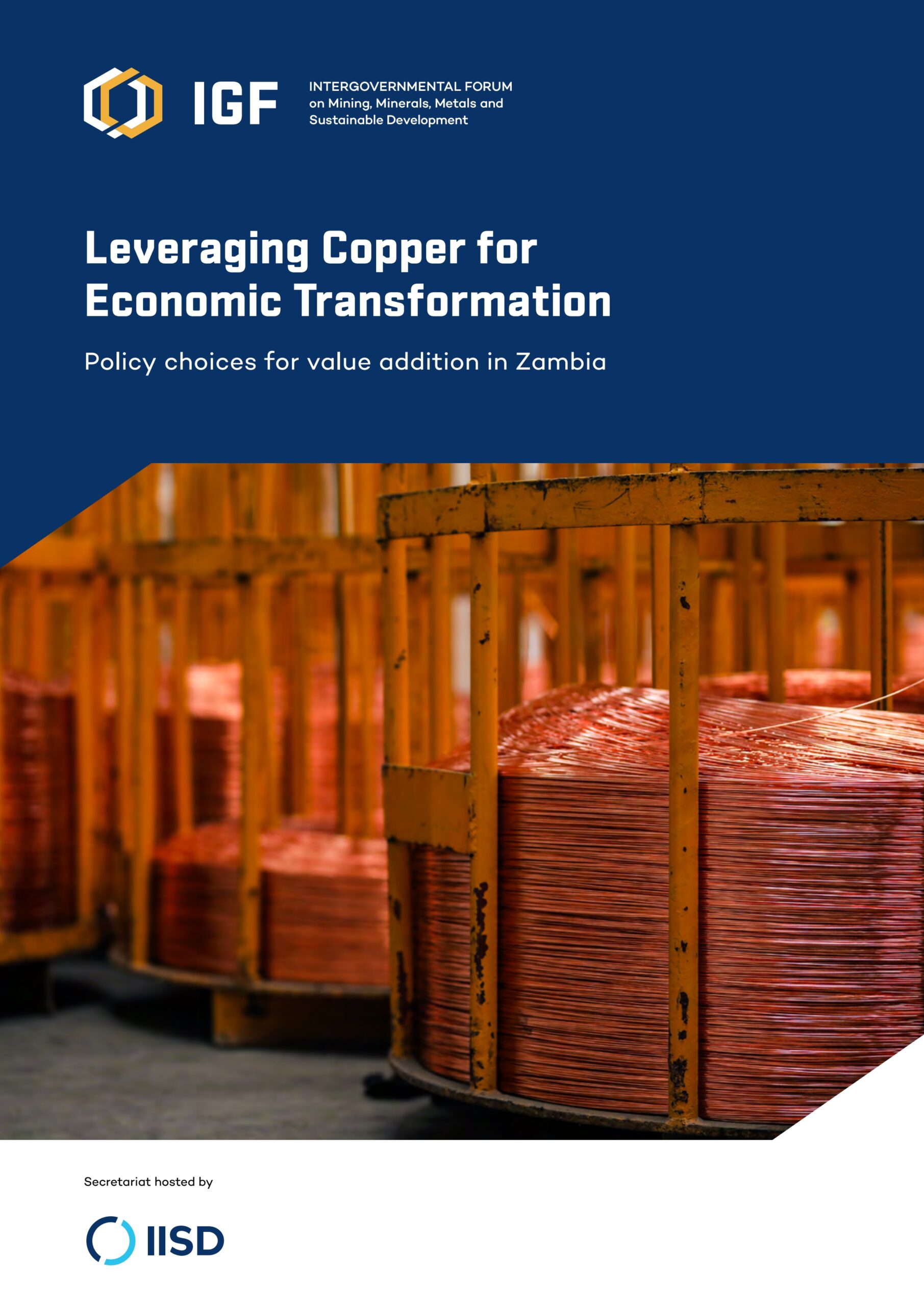
Leveraging copper for economic transformation: Policy choices for value addition in Zambia
This report examines strategies for Zambia to add value to its copper resources. It identifies expanding smelting and refining as immediate opportunities to increase annual exports by USD 3.7 billion by 2030. Success requires addressing binding constraints, primarily unreliable electricity, high finance costs, and trade logistics inefficiencies.
Global MDB Investments in Petrochemicals Tracker
An interactive database and map developed by IEEFA and IAP that tracks over USD 10 billion in petrochemical investments from 16 multilateral development banks, highlighting institutional exposure to fossil-fuel-intensive projects.
Unlocking catalytic capital in Australia
This report examines the role of catalytic capital in Australia, exploring how flexible, risk-tolerant investment can mobilise private capital for social and environmental impact. It defines the current market, identifies barriers to growth, and provides case studies of successful deployment across philanthropic, government, and institutional sectors.

Legal opinion on enabling impact investing
This legal opinion examines how the Trusts Act 2019 enables New Zealand trustees to engage in impact investing. It reframes fiduciary duties, addresses perceived barriers like SIPO wording, and provides practical realities for organisations seeking to align capital investments with charitable purposes while generating financial returns.
Systems stewardship: Managing interconnected climate risks for lasting value
This report examines how Australian investors apply systems stewardship to manage interconnected climate risks. It identifies key practices, such as collaborative engagement and policy advocacy, while highlighting barriers like resource constraints. Six recommendations are provided to help investors safeguard long-term returns and support a net-zero transition.


