
Library | Finance relevance
Investment managers / asset managers
Refine
1146 results
REFINE
SHOW: 16


Sustainable investment funds: Design, implementation, monitoring and communication of sustainability attributes
PAS 7342:2025 sets out specifications for designing, implementing, monitoring and communicating sustainability attributes of sustainable investment funds. It provides requirements to support clear objectives, governance, evidence, disclosures and labelling, aiming to reduce greenwashing and improve consistency in fund communication.
Nature-related risk and financial implications for investors
This investor briefing examines how nature-related physical, transition and system-level risks translate into financial risks for investors. It outlines macroeconomic and company-level impacts, and describes how institutional investors can integrate nature considerations into investment strategies, stewardship and policy engagement.
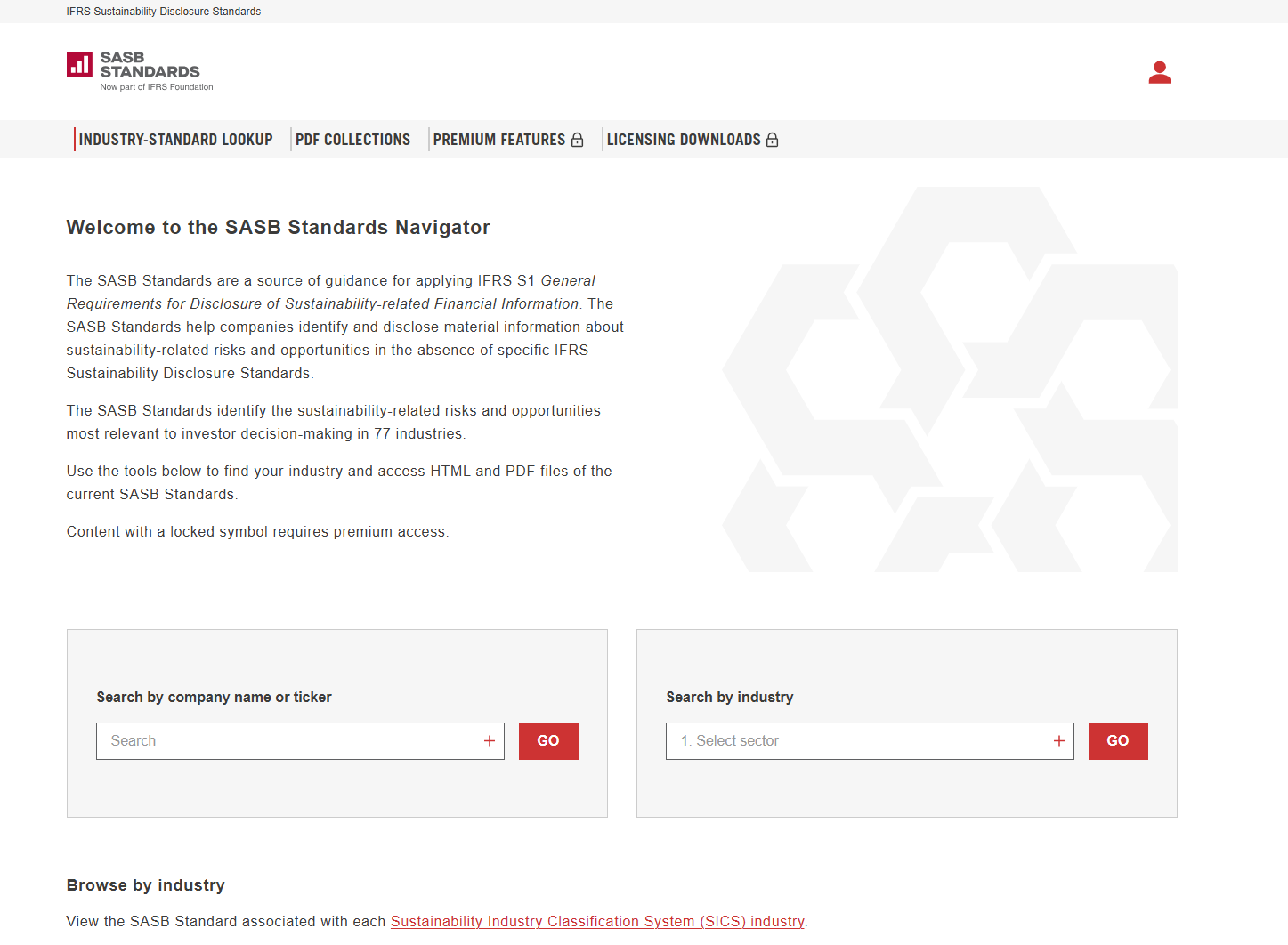
SASB Standards Navigator
The SASB Standards Navigator is an online database that enables users to explore industry-specific sustainability disclosure standards. It allows comparison of topics, metrics, and guidance across industries to support consistent ESG analysis and corporate reporting aligned with investor needs.

IFRS S2: Climate-related disclosures
IFRS S2 sets mandatory climate-related disclosure requirements for entities, covering governance, strategy, risk management, and metrics and targets. It integrates TCFD recommendations and SASB guidance to improve consistency, comparability and decision-useful information for users of general purpose financial reports.
IFRS S1: General requirements for disclosure of sustainability-related financial information
IFRS S1 sets general requirements for sustainability-related financial disclosures, requiring entities to report material sustainability risks and opportunities affecting cash flows, access to finance and cost of capital, using consistent governance, strategy, risk management, and metrics disclosures.
AASB S2: Climate-related disclosures
AASB S2 establishes mandatory climate-related financial disclosure requirements for Australian entities, aligned with IFRS S2. It requires reporting on governance, strategy, risk management, and metrics and targets, including greenhouse gas emissions, where climate risks and opportunities may affect cash flows, access to finance, or cost of capital.
Mobilising investment for climate adaptation
This report assesses Australia’s escalating climate risks and argues for scaling adaptation investment. It recommends improved valuation methods, a nationally coordinated adaptation investment framework, and diversified public-private financing mechanisms to reduce long-term economic damage and enhance resilience.
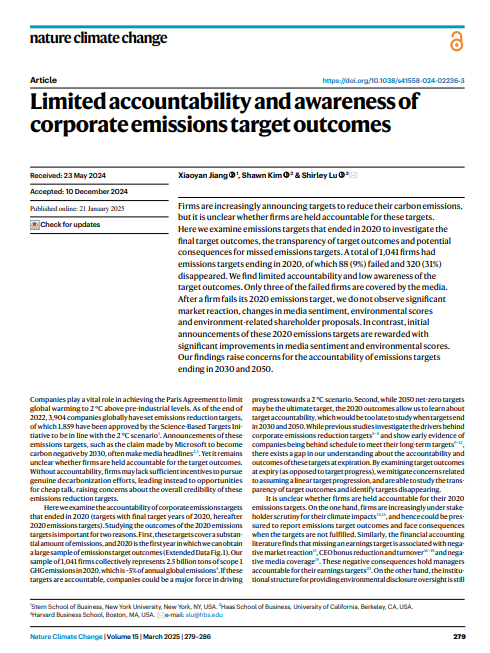
Limited accountability and awareness of corporate emissions target outcomes
The study analyses 1,041 corporate emissions targets ending in 2020, finding limited accountability. Thirty-one per cent of targets disappeared and 9% failed, with minimal disclosure, media attention or market penalties. By contrast, target announcements improved media sentiment and ESG scores, raising concerns for future climate targets.
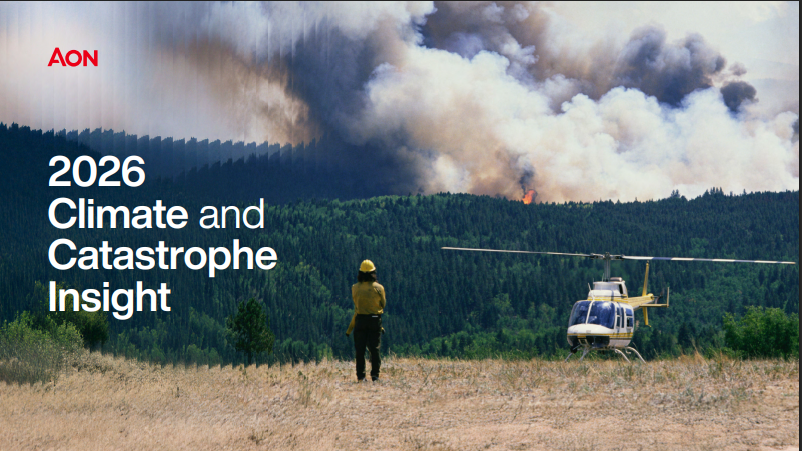
Climate and catastrophe insight series
The Climate and Catastrophe Insight is an annual research series that provides a consistent global view of natural disaster activity and climate-related catastrophe trends. It examines impacts on people, assets and economies to support risk assessment, resilience planning and long-term decision-making.
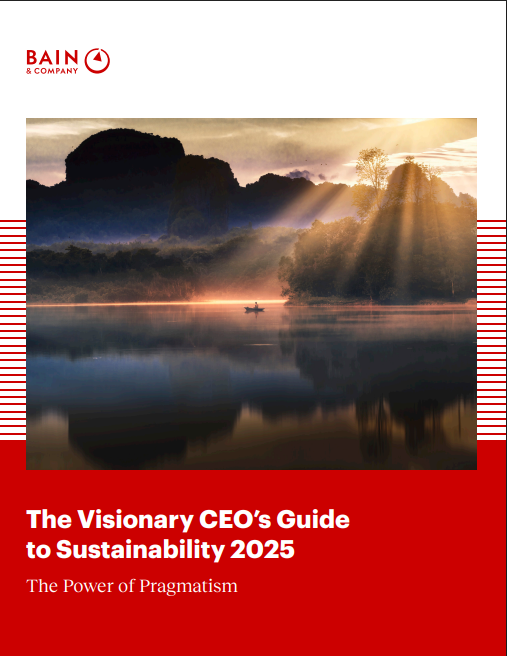
The visionary CEO’s guide to sustainability series
The Visionary CEO’s Guide to Sustainability is a series of annual research reports examining how senior executives integrate sustainability into core strategy, operations, and decision-making. The series explores leadership responses to evolving environmental, regulatory, technological, and market pressures, with a focus on practical execution and long-term business resilience.
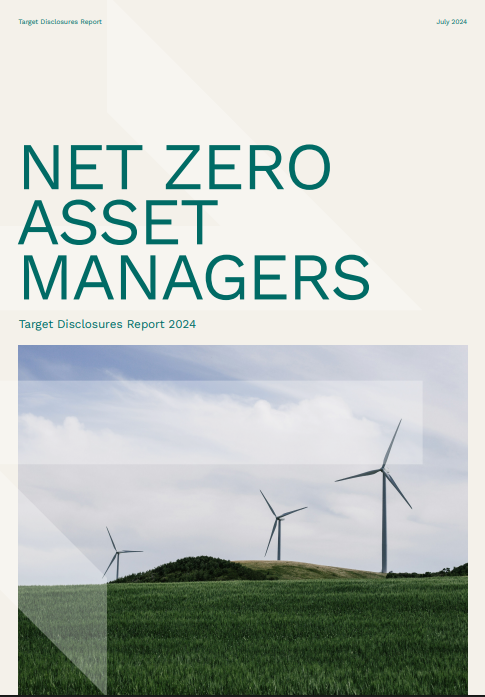
Net Zero Asset Managers' target disclosures series
The Net Zero Asset Managers Target Disclosures is a reporting series that tracks how participating asset managers set, disclose, and update net zero targets over time. It provides a consistent, initiative-wide view of commitments, disclosure practices, governance arrangements, and methodological approaches across reporting years.
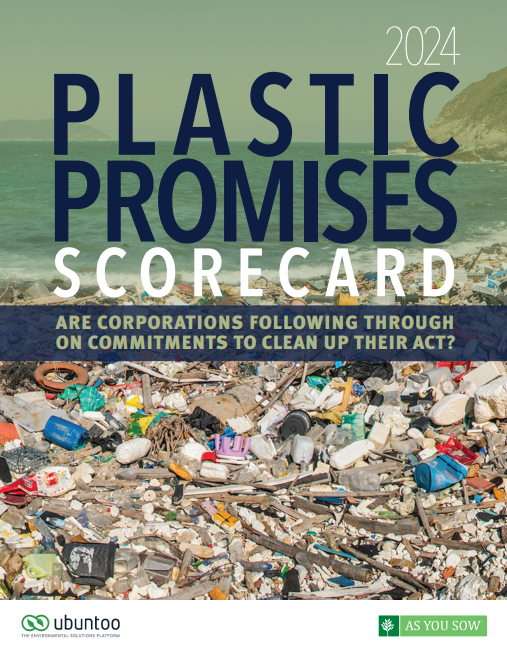
Plastic promises scorecard series
The Corporate Plastic Pollution Scorecard is a benchmark series that assesses how large consumer-facing companies address plastic packaging responsibility. It reviews corporate policies, commitments, disclosures, and practices across key areas of packaging design, reuse, recycled content, transparency, recycling support, and producer responsibility, enabling consistent comparison over time.
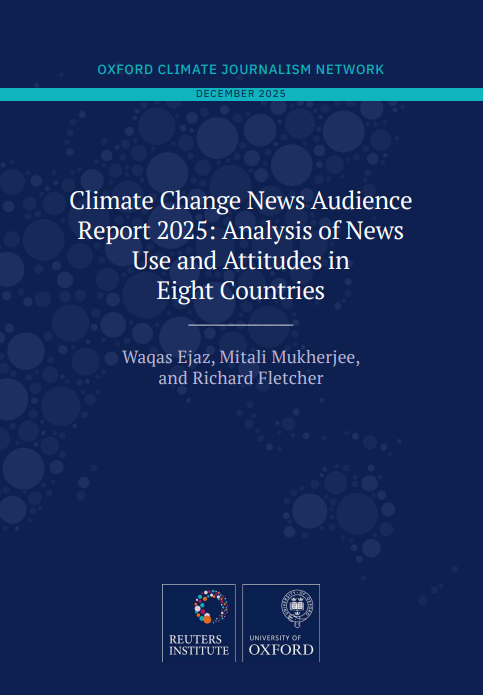
Climate change and news audiences report series
This is an annual research series examining how audiences access, trust, and interpret climate change news. It analyses news use, attitudes, and perceptions across multiple countries, tracking changes over time to inform journalism practice, media strategy, and public understanding of climate-related information.

Sustainable Finance Roundup January 2026: Geopolitics, Energy Transitions, and Systemic Risk
This month’s sustainable finance article roundup examines a landscape increasingly shaped by geopolitics and climate risk, as near-term fragmentation, energy security, and affordability pressures collide with intensifying long-term threats from climate change, biodiversity loss, and water stress. The works featured analyse how these dynamics are reshaping capital allocation, disclosure, and resilience planning, demonstrating the growing need for sustainable finance to integrate geopolitical risk with real-economy transition.
Corporate climate responsibility monitor series
The Corporate Climate Responsibility Monitor is a recurring research series that independently assesses the transparency, integrity and credibility of corporate climate strategies. It evaluates how major global companies set, disclose and implement emission reduction targets, using a consistent methodology to enable year-on-year comparison across sectors.
Canadian pension climate report card series
The Canadian Pension Climate Report Card is an annual benchmark series assessing how major Canadian pension funds manage climate-related risks and align investment and stewardship practices with climate science. It applies a consistent, comparative framework using publicly disclosed information to evaluate governance, targets, engagement and integration over time.


