
Library | Sustainable Finance Practices
Strategy and Organisational change
Guidance on embedding sustainability into organisational strategy, leadership, governance, culture, and systems to drive long-term transformation.
Refine
166 results
REFINE
SHOW: 16


Circular transformation of industries: The role of partnerships
This World Economic Forum white paper asserts that strategic partnerships are crucial for scaling circular economy initiatives. It details three value-creation archetypes: circular feedstock, lifespan extension, and platform services. Collaboration enables organisations to secure resources, optimise costs, and drive systemic change, effectively decoupling growth from resource consumption.

AI and ESG: An introductory guide for ESG practitioners
This guide outlines how artificial intelligence intersects with environmental, social and governance practice, highlighting opportunities to scale ESG outcomes alongside material risks. It introduces responsible AI principles, regulatory context, assessment frameworks and practical examples to support informed, ethical AI adoption by ESG practitioners.
Tackling the transformation: The challenges of operationalizing corporate sustainability goals and how to overcome them
ERM’s Transformation Survey analyses global corporate progress in operationalising sustainability goals. It finds stronger performance on social issues than climate or nature, identifies weak sustainability-linked incentives as the main barrier, and highlights underinvestment in training, incentives, and ESG data systems.
Artificial intelligence and human capital: Challenges for central banks
The report outlines how AI copilots and agents could reshape central bank roles, requiring extensive upskilling, revised workforce strategies and stronger governance. Talent shortages, regulatory constraints and cultural adaptation present key challenges as institutions transition to more AI-intensive operations.
Blueprint for intelligent economies: AI competitiveness through regional collaboration
The report outlines a framework for building intelligent economies through sustainable AI infrastructure, diverse datasets and ethical guardrails. It highlights collaboration across sectors and regions to support inclusive AI adoption, guide investment, strengthen governance and enable responsible technological development.
International round table: Financing climate action at city level
This report synthesises discussions from an international round table on financing city-level climate action, highlighting how local governments overcome fiscal constraints through tailored funding scales, partnerships, innovative revenue mechanisms, and long-term approaches to deliver major decarbonisation programmes across Europe and North America.
Competing in the age of disruption: A business briefing by the University of Cambridge Institute for Sustainability Leadership
The report argues that global industrial transition is inevitable and accelerating, creating material risks and opportunities. It urges businesses to pursue innovation, reshape market rules and influence policy to secure competitiveness, manage systemic threats and drive sustainable market transformation.
Creating value from big data in the investment management process: A workflow analysis
The report analyses how investment professionals use AI and big data, noting moderate but rising adoption, multihoming across tools, and key challenges including skills gaps, data quality, and model opacity. It highlights organisational priorities such as upskilling and workflow automation to enhance efficiency and decision making.
AI governance behind the scenes: Emerging practices for AI impact assessments
The report outlines emerging organisational practices for AI impact assessments, highlighting common process steps, information gathering challenges, evolving risk-assessment methods, and difficulties evaluating mitigation effectiveness. It notes increasing cross-functional governance, reliance on third-party transparency, and the need for stronger metrics, education, and executive support.
AI in anti-financial crime: The state of adoption in 2025
The report surveys senior leaders on AI adoption in anti-financial crime, finding limited current use but rapid expected uptake. It highlights technology shortcomings, emerging AI use-cases, leadership awareness, and barriers including cost, skills and regulatory uncertainty, outlining opportunities for more efficient, integrated and adaptive AFC capabilities.
Advancing women’s financial inclusion: Guidelines to adopt a gender perspective in financial institutions
The report outlines guidelines for financial institutions to integrate gender perspectives across governance, management, staffing, communications, and product design. It promotes data-driven policies, bias reduction, inclusive culture, tailored financial solutions for women, and strategic partnerships to enhance women’s financial inclusion and strengthen institutional performance.
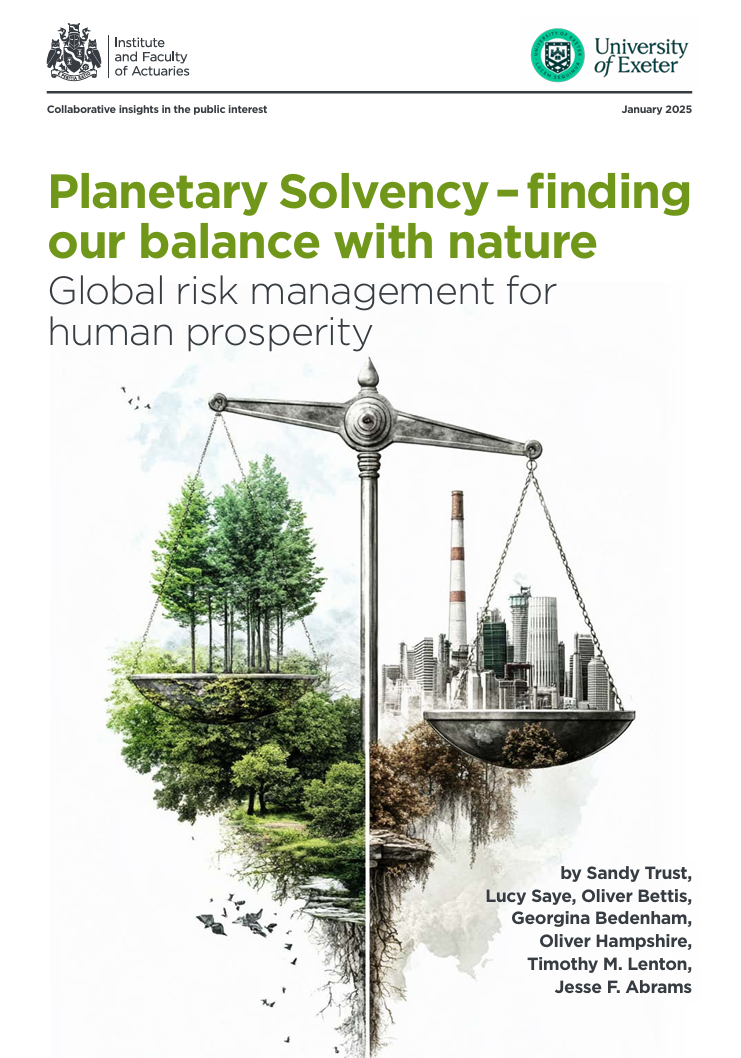
Planetary solvency – finding our balance with nature
This report outlines how climate and nature risks threaten the Earth system that underpins economies and societies. It proposes a Planetary Solvency framework, using risk-led assessment principles to inform policymakers of escalating systemic risks, tipping points and mitigation needs, emphasising the urgency of realistic global risk management to avoid severe disruption.

Oxygen Consulting
Oxygen Consulting offers specialist sustainability consulting services across carbon, climate and nature, sustainability strategy and advisory, disclosure and reporting, audit and assurance, and capability development. Serving organisations in New Zealand across diverse sectors, it supports measurement, strategy formation and robust sustainability-governance frameworks to drive meaningful business impact.
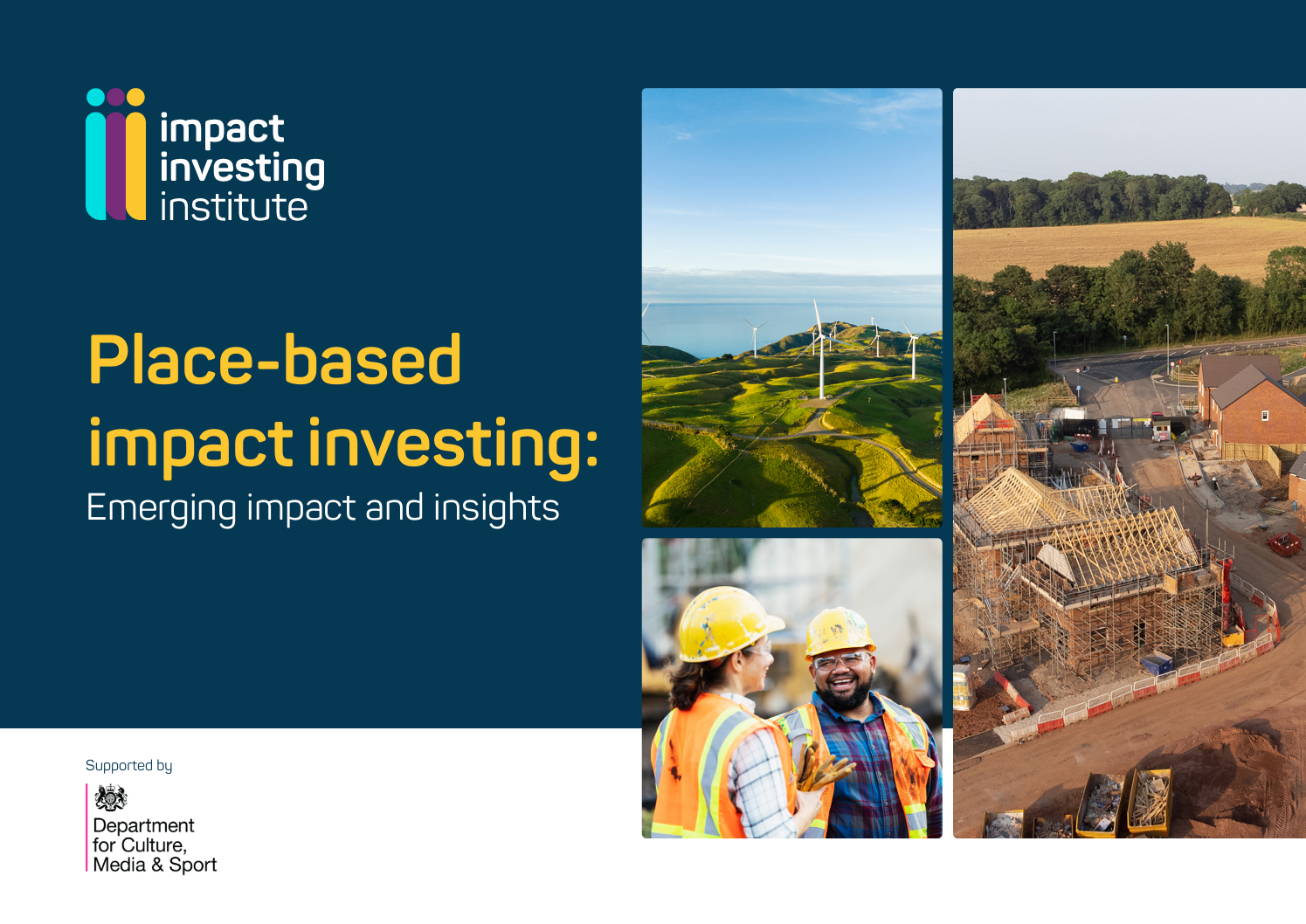
Place-based impact investing: Emerging impact and insights
The report examines the expansion of place-based impact investing (PBII) in the UK since 2021. It outlines how institutional and local investors, supported by public–private partnerships, are aligning financial returns with social and environmental outcomes. The study highlights progress, barriers, and pathways to scaling PBII through collaboration and blended finance.
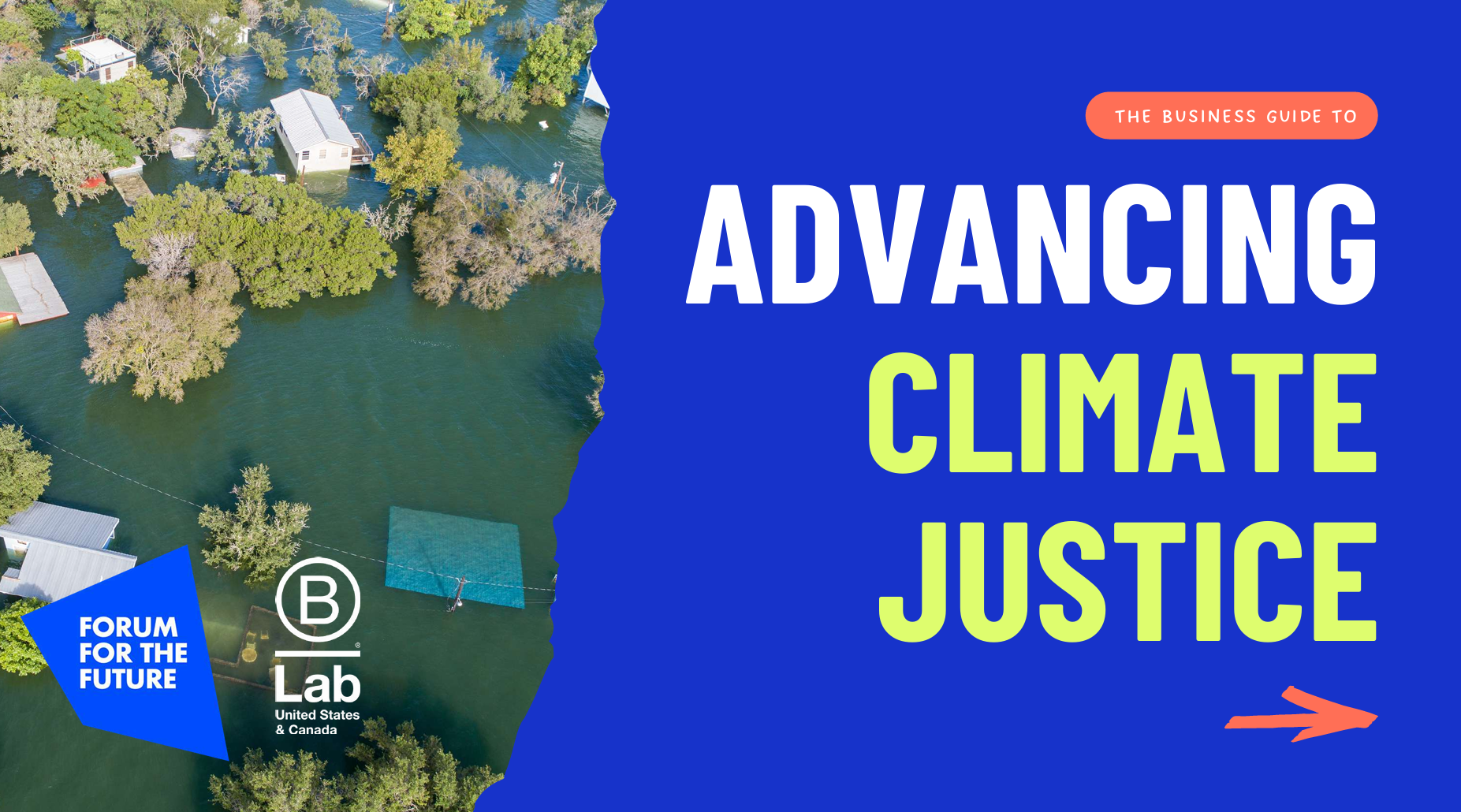
The business guide to advancing climate justice
This 2024 guide, produced by Forum for the Future and B Lab, outlines how businesses can embed climate justice into strategy and operations. It defines principles for equitable community partnerships, offers practical frameworks across internal systems and supply chains, and emphasises trust-building, accountability, and regenerative, long-term collaboration.
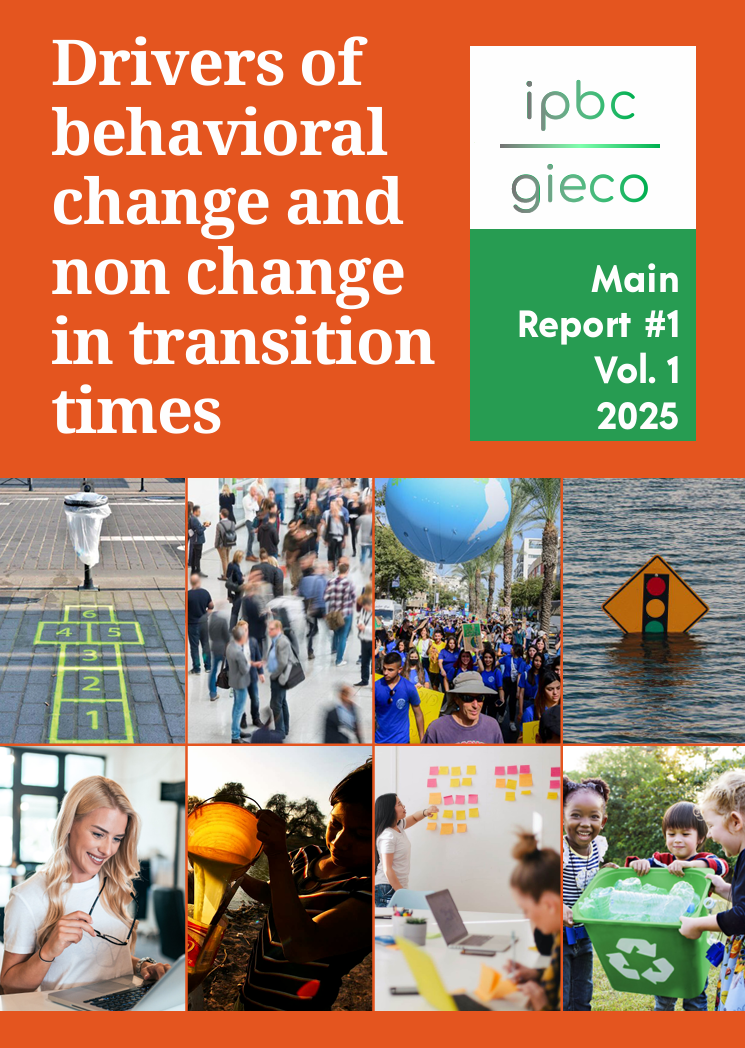
Drivers of behavioral change and non change in transition times
The Drivers of Behavioural Change and Non-Change in Transition Times report, published by IpBc/GIECo in 2025, examines psychological, social, and organisational factors influencing why individuals and institutions act—or fail to act—on sustainability. Drawing on behavioural science, it identifies mindsets, emotions, implicit cognition, and systemic barriers as key determinants of ecological and climate-related behavioural shifts.


