
Library | ESG issues
Energy Solutions & Decarbonisation
Energy solutions and decarbonisation refer to strategies and technologies that reduce carbon emissions while ensuring reliable and sustainable energy supply. This includes renewable energy sources like wind, solar, and hydropower, energy efficiency measures, electrification, carbon capture, and clean energy innovations. Decarbonisation is essential for mitigating climate change, enhancing energy security, and transitioning industries toward low-carbon operations.
Refine
371 results
REFINE
SHOW: 16


Exploring the cooperative economy report 2023
The 2023 World Cooperative Monitor Report provides rankings of the top 300 global cooperatives by turnover and GDP per capita. It highlights the economic impact and member benefits of cooperatives, offering insights into their performance, sustainability, and contribution to local communities and development goals.

Interfaith Center on Corporate Responsibility (ICCR)
The Interfaith Center on Corporate Responsibility (ICCR) is a coalition of faith-based investors advocating for sustainable and ethical business practices. ICCR engages companies on issues such as climate change, human rights, and corporate governance. They aim to promote long-term social and environmental sustainability in corporate conduct.

Is CSRD working for financial institutions? A look into how CSRD is being rolled out across the financial sector
The Corporate Sustainability Reporting Directive (CSRD), an ambitious EU regulation, demands increased transparency from financial institutions (FIs). Challenges include lack of sector-specific guidance and data collection difficulties. Despite the focus on reporting, FIs must use CSRD strategically to align financing with sustainability goals and ensure long-term compliance.

Banking on climate chaos: Fossil fuel finance series
The "Banking on Climate Chaos" benchmark report examines global banks' financing of fossil fuel companies, highlighting trends and policy shifts impacting climate goals. This series offers critical insights into financial institutions' roles in supporting fossil fuel expansion and their climate commitments.
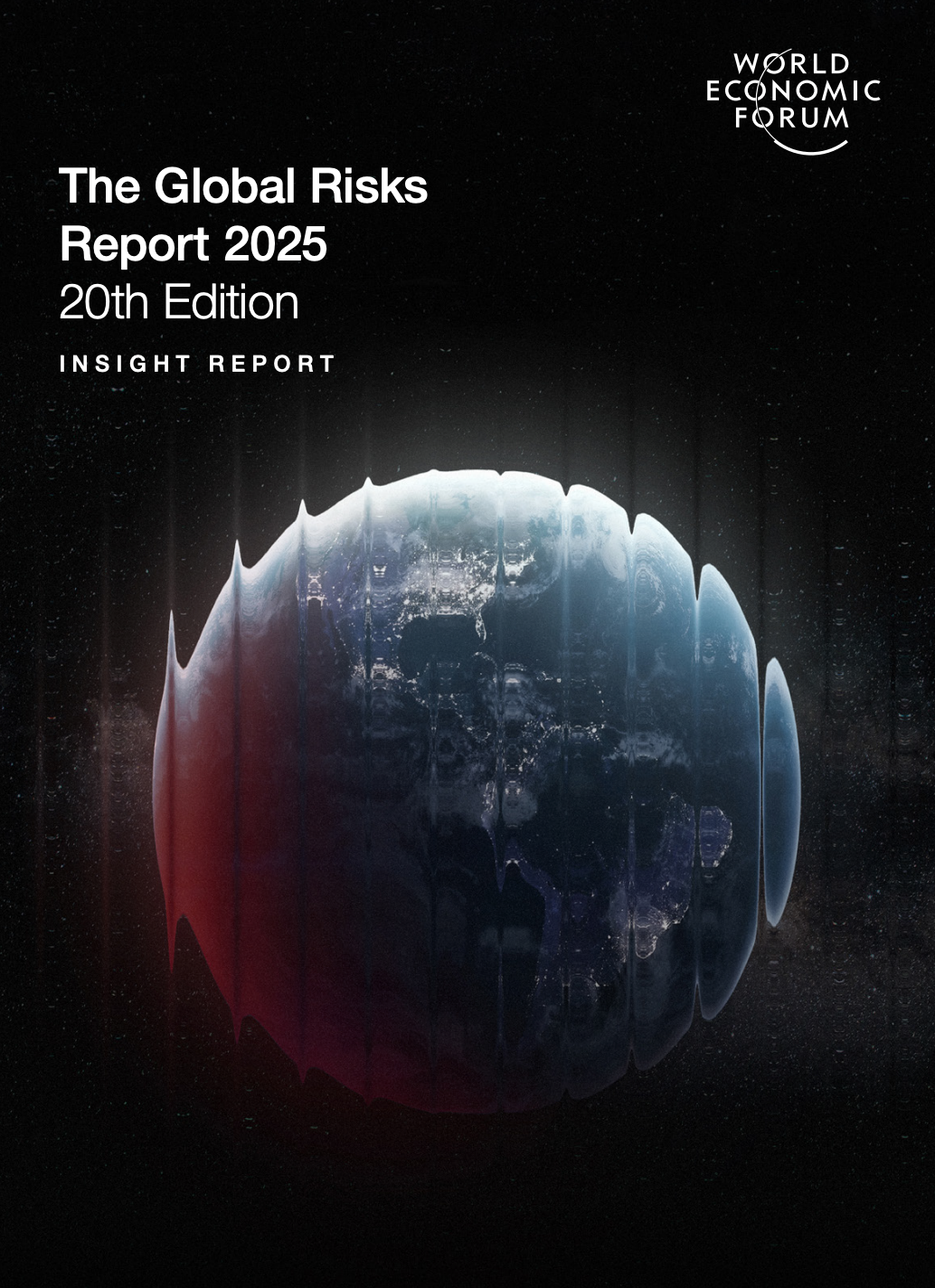
World Economic Forum's global risks report series
The Global Risks Report is a long-running report series published by the World Economic Forum that examines emerging global risks across environmental, social, economic, geopolitical and technological domains. It provides a forward-looking assessment to support risk awareness, strategic planning and decision-making by finance professionals and policymakers.

Empowering key development finance institutions in Asia to accelerate the decarbonization of the energy sector
The report outlines Asia's challenges to decarbonising energy while driving economic development. It suggests there is significant room for improvement among regional banks and to achieve their commitments to the Paris Agreement, firms need to implement more stringent sustainable finance policies.

New Zealand Green Investment Finance (NZGIF)
The New Zealand Green Investment Finance (NZGIF) is dedicated to driving sustainable investment across New Zealand. With a focus on green initiatives, NZGIF collaborates with businesses, government, and communities to promote environmental stewardship and economic growth. Their strategy emphasises innovation, values integrity, and embraces a holistic approach to green investment.

Decarbonization, population disruption and resource inventories in the global energy transition
The study underscores the necessity of macro-level planning for energy decarbonisation. It delves into the geographical intricacies and dynamics of mineral resource extraction during the transition, providing an empirical foundation to evaluate spatial impacts and demographic shifts. It reveals potential risks and disparities in risk distribution, emphasizing targeted planning's importance.

Green Economy Coalition (GEC)
The Green Economy Coalition is a global network advancing sustainability and economic prosperity. Focused on promoting green economic policies and practices, they engage diverse stakeholders to foster a transition to sustainable development.

Catalytic capital: A key to aligning infrastructure investments with climate mitigation in emerging markets
This report provides a roadmap for directing more institutional capital toward climate infrastructure financing in emerging markets. It identifies the importance of using catalytic capital and outlines four themes crucial to its effective use: targeting, speed, support, and analysis. The report offers recommendations for how to address climate challenges through targeted catalytic interventions.

In search of the true greenium
The expected return of green securities relative to brown is a crucial impact measure for ESG investors, and the greenium is more negative in greener countries and over time. The equity greenium has become more negative over time. The proposed robust green score combined with forward-looking expected returns yields a more precisely estimated annual equity greenium.

ESG investing in emerging markets – a roadmap towards net-zero
This report discusses the challenges in ESG investing for emerging markets due to varying standards in regulations and reporting. It also covers the importance of sovereign engagement and incorporating biodiversity in investment decisions. The lack of standardisation in data and regulation presents difficulties in generating sustainable investments.

BNP Paribas
Explore the diverse offerings of BNP Paribas Group, a global leader in banking and financial services. From retail banking to corporate and institutional banking, their expertise spans various sectors. With a commitment to sustainability and innovation, they provide tailored solutions to meet the needs of clients worldwide.

Oxford principles for net zero aligned carbon offsetting
This 2024 framework of four principles and guidance for organisations and standard bodies involved in offsetting practices. The revised principles emphasise the need for urgency in the reduction of emissions and the closing of the carbon removal gap, while maintaining transparency and integrity in all projects.

RIAA's from values to riches series
This research series gauges Australians' and New Zealanders' awareness, attitudes, and practices around responsible and ethical investing. It provides insights into consumer sentiment and expectations regarding environmental, social, and governance (ESG) factors in investment decisions.

Asian Development Bank (ADB)
The Asian Development Bank (ADB) is a regional development bank dedicated to improving lives in Asia and the Pacific. It provides financial assistance and technical expertise to promote sustainable development, reduce poverty, and foster economic growth in the region. ADB focuses on infrastructure development, environmental sustainability, and poverty reduction initiatives.


