
Library | ESG issues
Public Policy
Public policy refers to the actions and decisions taken by governments to address societal issues through laws, regulations, and funding priorities. It shapes the business environment by influencing regulatory requirements, market conditions, and corporate responsibilities. Policies related to taxation, labour laws, environmental regulations, and trade agreements can impact business operations, costs, and investment strategies.
Team Altiorem recommends

Refine
484 results
REFINE
SHOW: 16


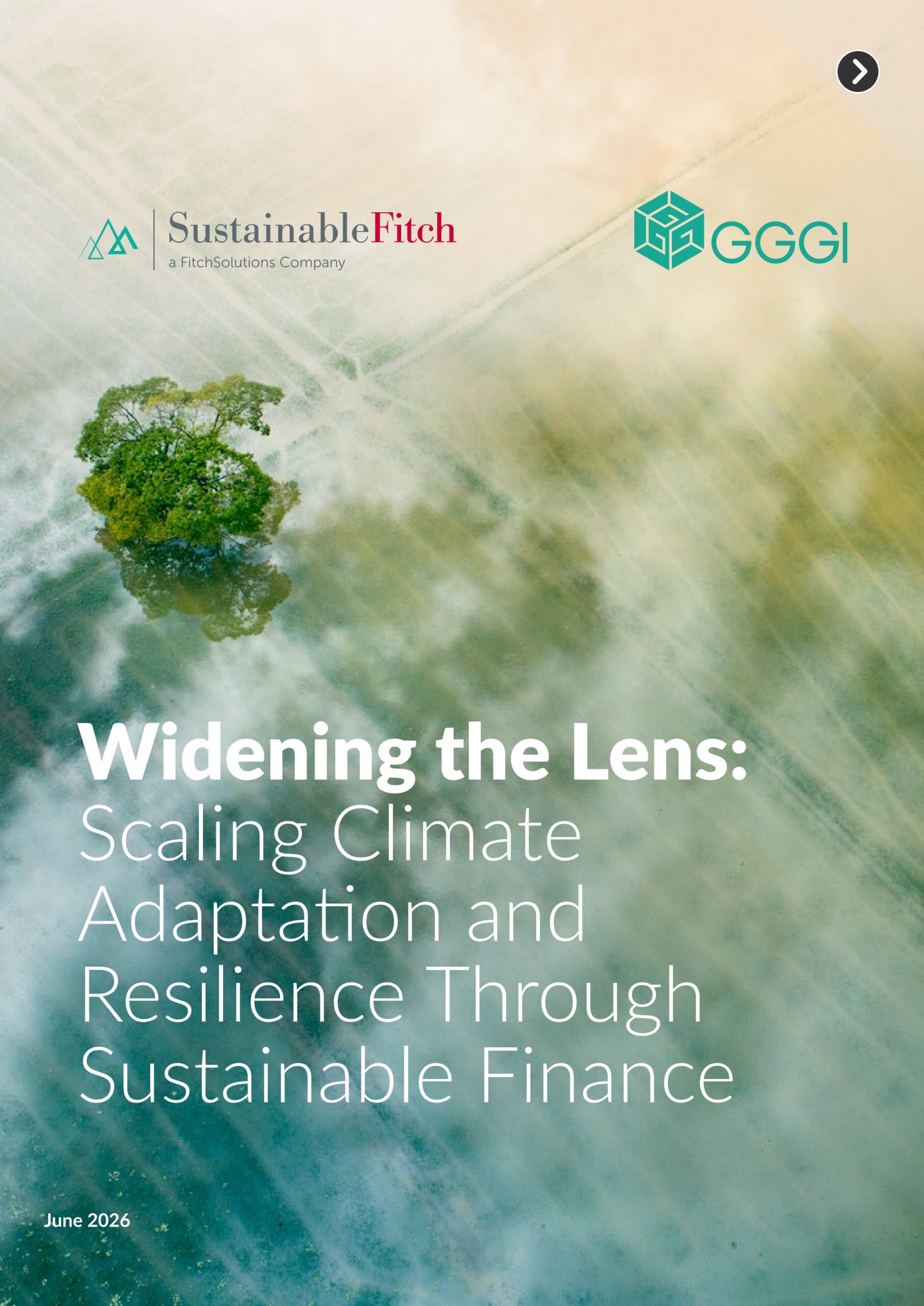
Widening the lens: Scaling climate adaptation and resilience through sustainable finance
This report examines climate adaptation and resilience in sustainable finance, highlighting a significant financing gap in emerging markets and limited formal allocation in labelled debt markets. It argues for a broader lens that recognises resilience outcomes already embedded in policy-driven investments, using Ecuador's sovereign housing framework as a case study.

Stuck on you: How to make social media good again
This IPPR paper examines how social media platforms have shifted from user-led spaces to algorithm-driven, influencer-dominated environments through 'sticky gatekeeping'. A UK survey found only 18 per cent of feed posts were personal content. The report recommends regulatory reform, algorithmic transparency, and development of a public social media platform.
SIPRI Military Expenditure Database
SIPRI's open-access database providing annual military expenditure data for countries worldwide from 1949 to 2025, across multiple metrics.
Time to get real: Current and future best practice for investor engagement on climate policy
This report examines how institutional investors engage on climate policy and sets out guidance for best practice. Drawing on interviews with 70+ individuals and a survey of investors representing approximately USD 33 trillion in AUM, it calls for a shift from disclosure-focused engagement towards real economy policies, and identifies three field-building priorities.
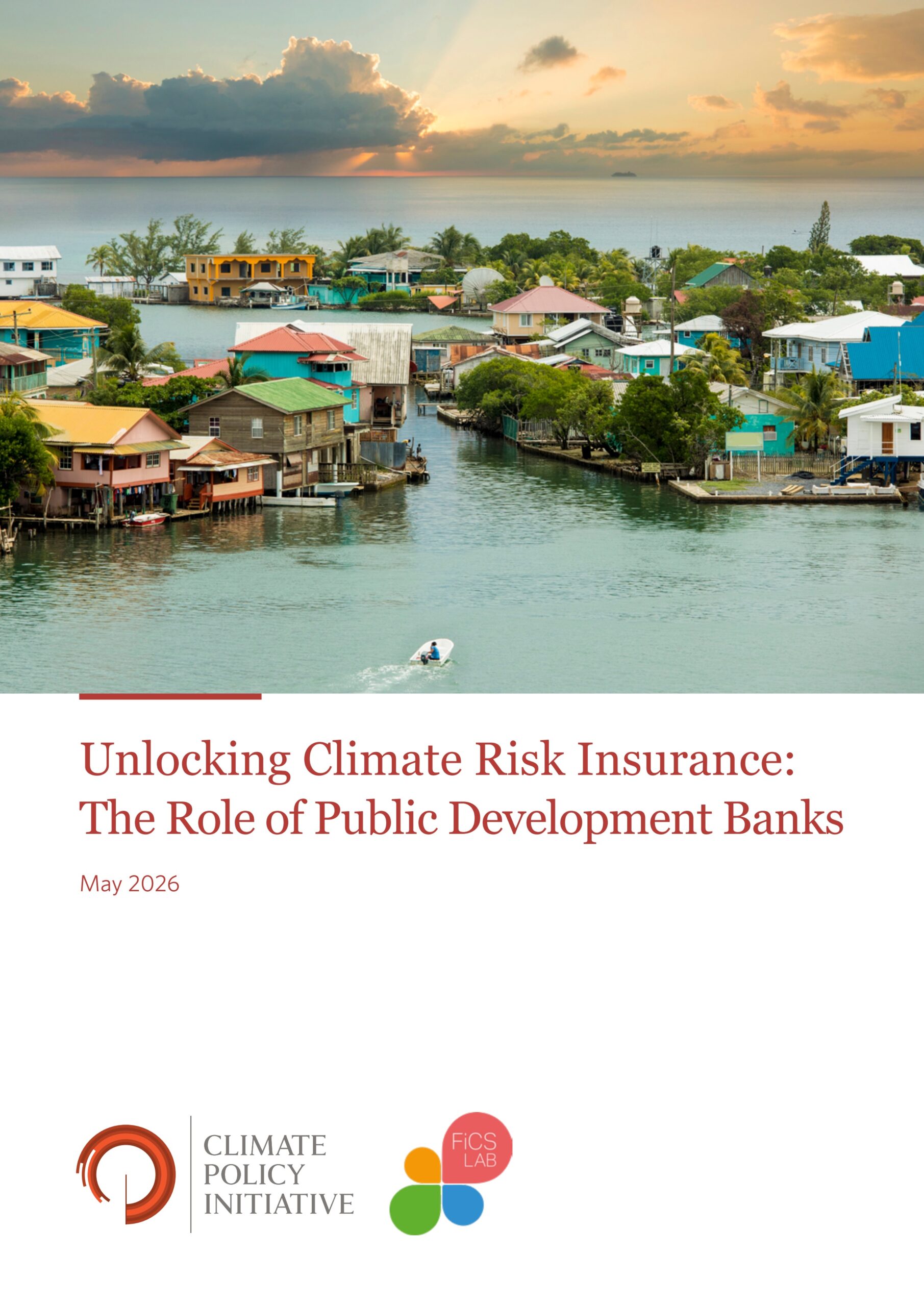
Unlocking climate risk insurance: The role of public development banks
This report examines how public development banks (PDBs) can expand climate risk insurance in emerging markets and developing economies. It identifies five key barriers to insurance uptake, analyses distinct roles for national, regional, and multilateral development banks, and provides recommendations to scale insurance solutions that build climate resilience.
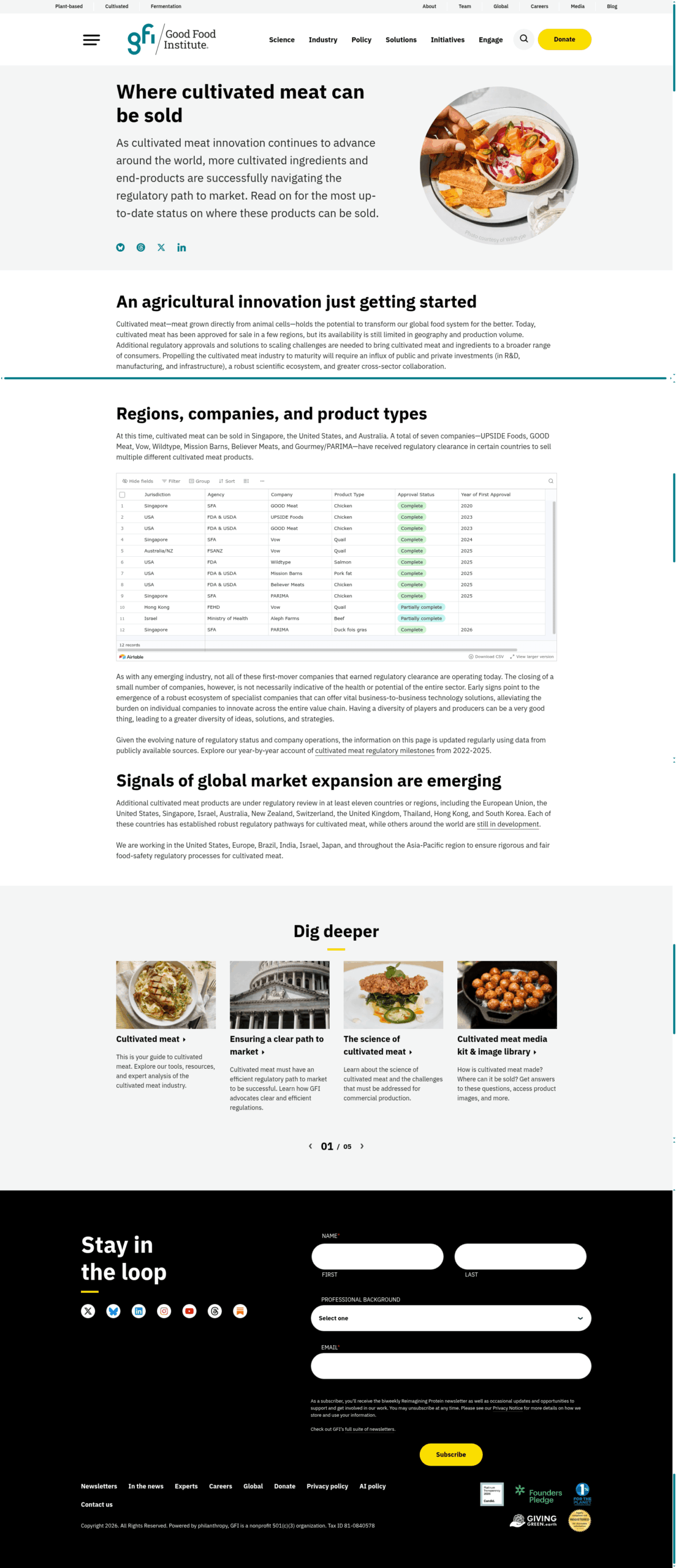
Where cultivated meat can be sold
An interactive tracker by The Good Food Institute mapping global regulatory approvals and market pathways for cultivated meat products.
The role of national social dialogue institutions in shaping investment policies
This ILO Working Paper examines how national social dialogue institutions across eight countries and one regional bloc shape trade, investment and responsible business conduct policies. Drawing on eleven case studies, it identifies emerging practices, key challenges including unclear mandates and limited resources, and policy options for strengthening institutional effectiveness.
Investment treaties as catalysts for technology transfer in Africa
This policy brief analyses how African investment treaties — more than 1,000 signed to date — support or constrain technology transfer. It examines express and implied treaty restrictions, associated investor-state dispute risks, and recommends that African states adopt precisely drafted provisions and strengthen institutional capacity to enable meaningful technological advancement.
Global report on internal displacement series
The Global Report on Internal Displacement (GRID) is an annual benchmark series published by the Internal Displacement Monitoring Centre (IDMC). It tracks the scale, drivers, and geography of internal displacement worldwide, covering both conflict- and disaster-driven movements across countries and regions.
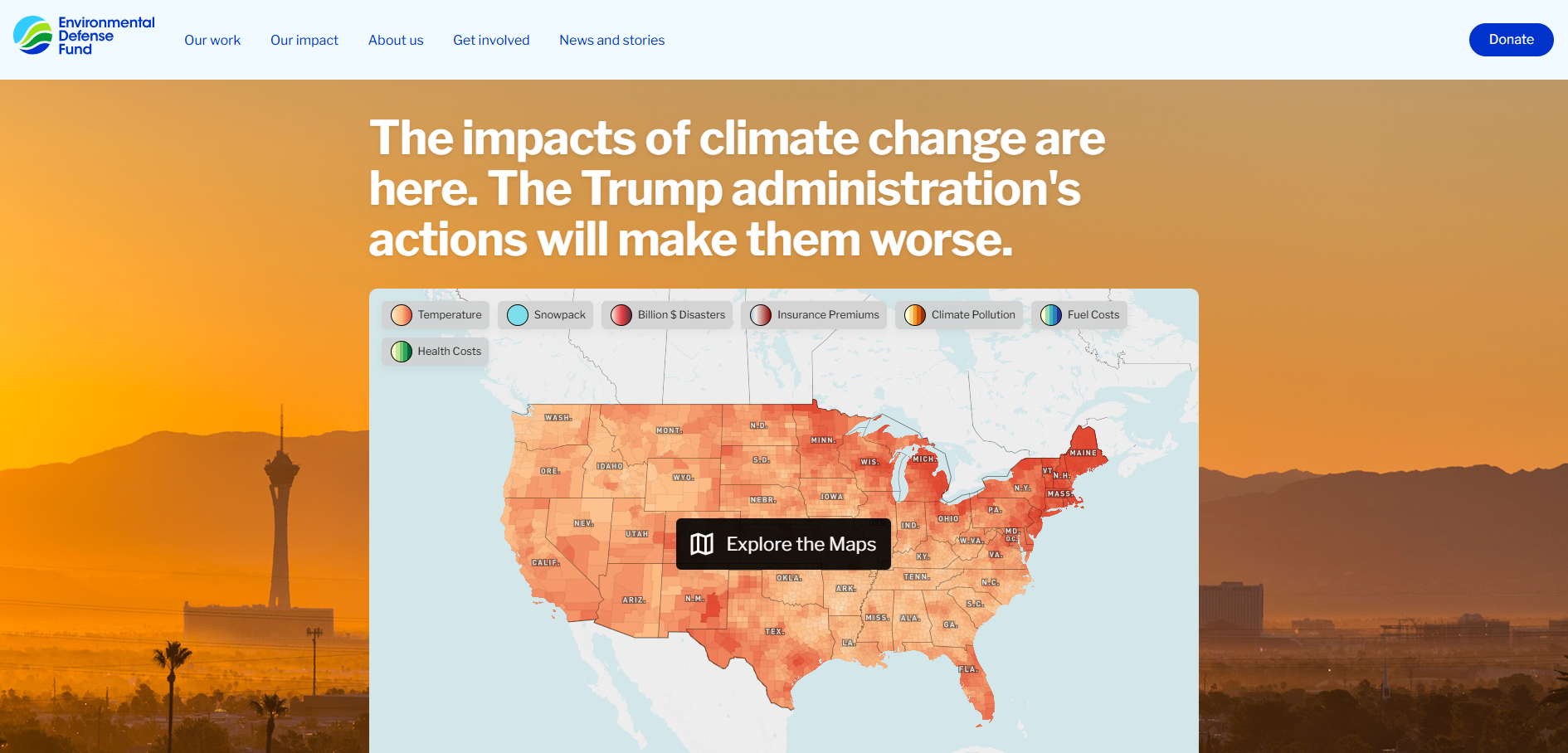
Trump climate endangerment stories
This interactive mapping tool from the Environmental Defense Fund (EDF) combines climate data and community stories to show how climate change is affecting temperatures, water resources, disaster losses, insurance costs and public health across the United States. It also illustrates the projected impacts of changes to federal climate pollution regulations.
Digital Policy Hub
The Digital Policy Hub, hosted by the Centre for International Governance Innovation (CIGI), is a research and policy platform focused on the governance of transformative technologies. It supports research, analysis and collaboration on topics including artificial intelligence, data governance, digital security, democracy, outer space and environmental impacts of digitalisation.
Modeling ghost GDP: Macro-financial risk and diversified portfolios in the age of artificial intelligence, automation, and populism
This PDI working paper stress-tests four AI-driven labour displacement scenarios against US macro-financial data, modelling cascading losses across household debt, corporate credit, equities, pensions, insurance, and fiscal channels. Total economy-wide value at risk ranges from approximately $15–18 trillion (Light) to $62–72 trillion (Aggressive). Predistributive mechanisms are proposed as structural solutions.
Update on China's climate policy from the 2026 two sessions: How Chinese companies and industry are shaping the energy transition agenda
This report analyses corporate engagement in China's climate and energy policy during the 2026 Two Sessions. It outlines the 15th Five-Year Plan's carbon intensity reduction target and examines how the oil, gas, new energy, and automotive sectors are influencing the nation's decarbonisation and energy transition agenda.
The growth of dual-use by design research in Europe: Export control risks and challenges
This report explores how increased funding for 'dual-use by design' research in Europe blurs the line between civilian and military ecosystems. It highlights proliferation risks and identifies challenges for export controls, arguing for a broader, integrated governance framework to safeguard international research collaboration and security.
Reining in big tech corporations: Why platform governance requires structural regulation
This paper argues that big tech platform corporations function as state-empowered artificial legal entities rather than private contractual arrangements. Highlighting their structural and governance power, the author suggests that these organisations require structural regulation and democratic oversight to recalibrate the delegated powers granted by states.
ASCOR Tool
The ASCOR Tool is an investor-led framework for assessing how countries manage the low-carbon transition and the impacts of climate change.


