
Library | ESG issues
Social
The social pillar in ESG (environmental, social, and governance) assesses a organisation’s impact on people and society. It covers labour practices, diversity and inclusion, human rights and community engagement. Prioritising social responsibility not only benefits society but also mitigates risks, strengthens reputation, and creates long-term value for businesses and investors.
Refine
1331 results
REFINE
SHOW: 16


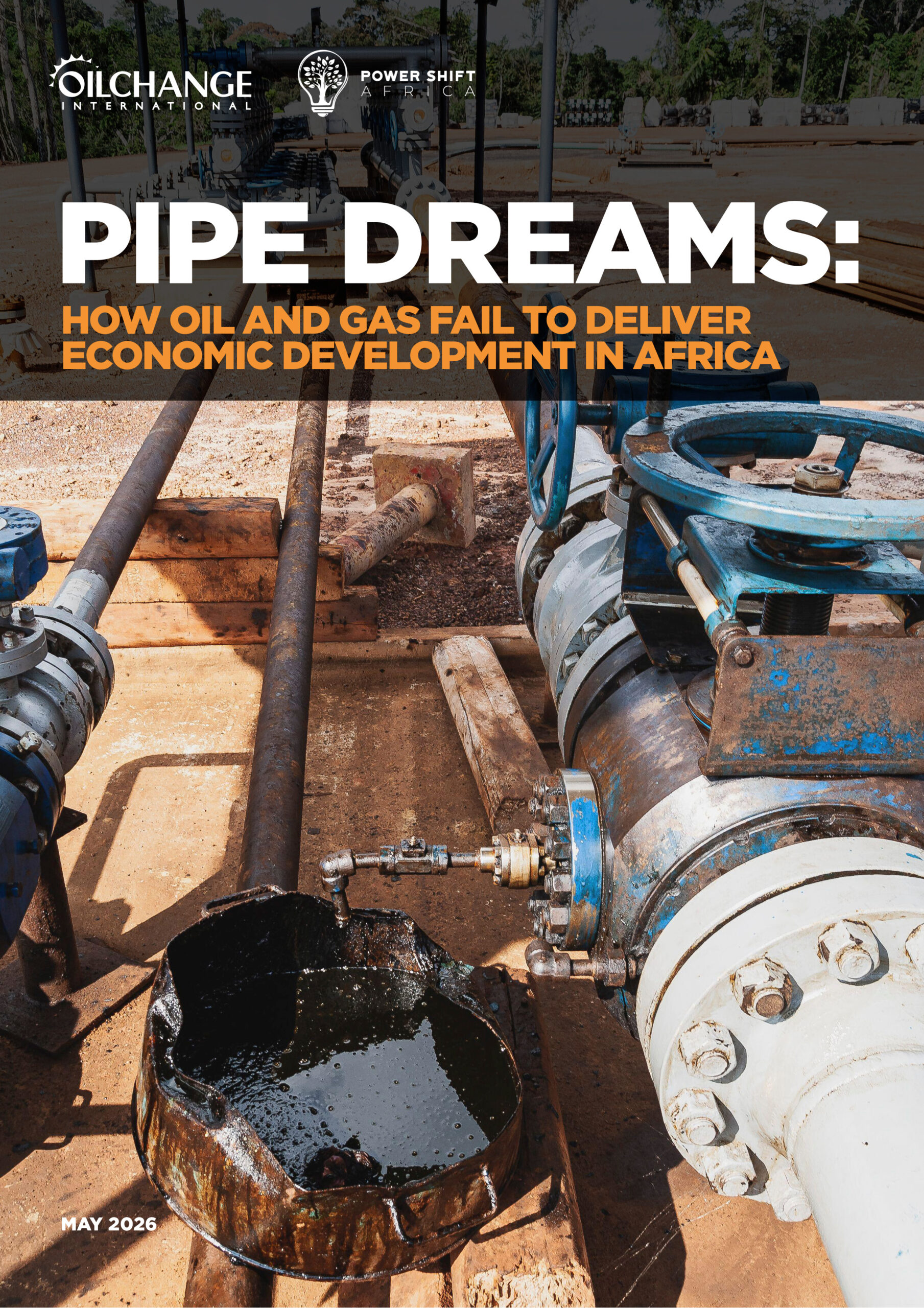
Pipe dreams: How oil and gas fail to deliver economic development in Africa
This 2026 report analyses the economic impact of oil and gas extraction across 13 African nations. Finding that fossil fuels exacerbate poverty, vulnerability, and corruption rather than delivering sustained growth, it advocates for a rapid, just transition to decentralised renewable energy to ensure future economic stability and development.
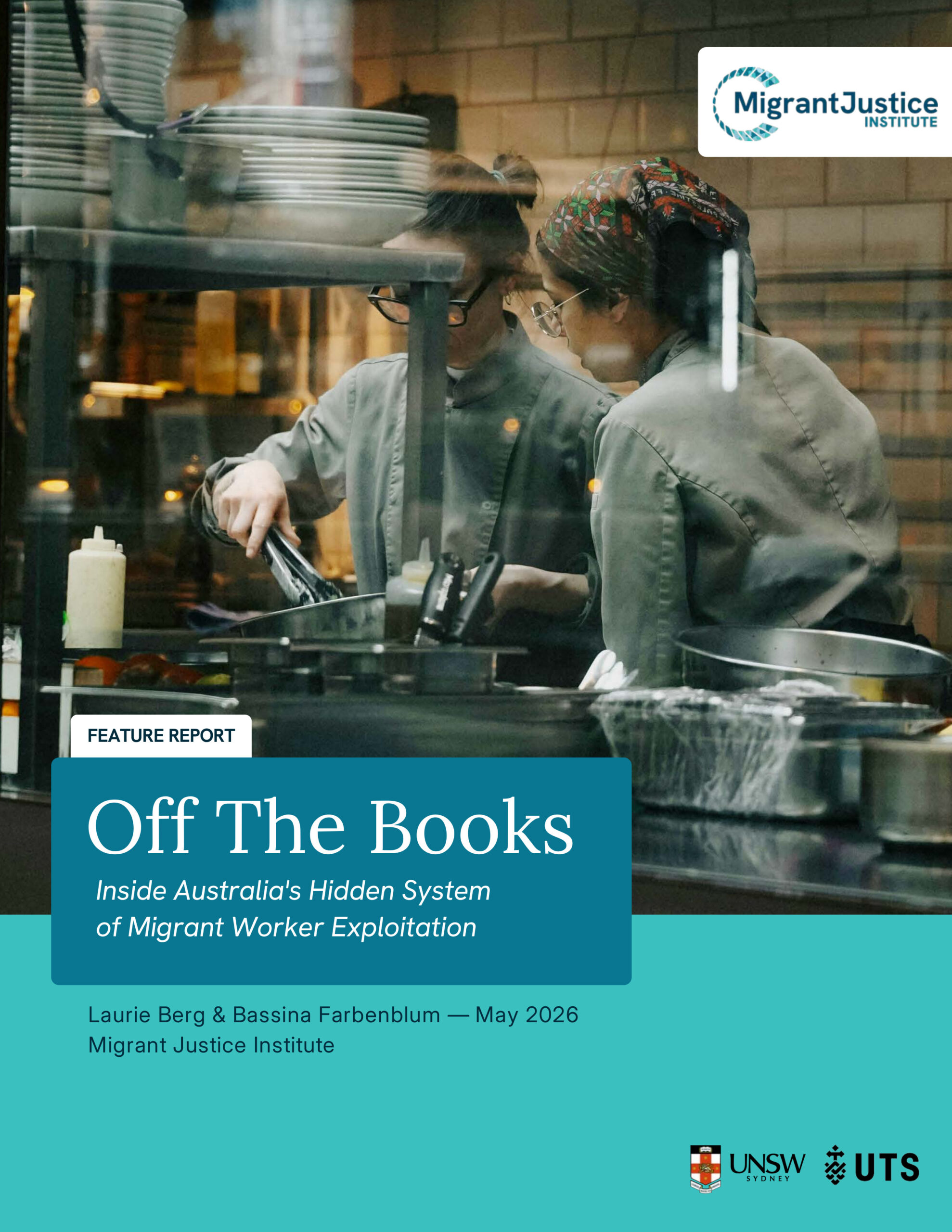
Off the books: Inside Australia's hidden system of migrant worker exploitation
This report analyses the systemic underpayment of temporary migrant workers in Australia. Surveying almost 10,000 individuals, it reveals two-thirds receive less than their legal entitlements. Employers frequently utilise insecure structures, such as misclassified independent contracting and casual work, to evade their responsibilities under the Fair Work Act.

Who is behind the nicotine industry in Europe? Leading players and their financiers
This research maps the key players in Europe's nicotine product industry and their financial backers. It examines ten companies, their supply chains, and specific nicotine-related financing. Findings reveal that major tobacco multinationals receive the vast majority of financing, predominantly from North American and European institutions.
Acceleration is not a strategy: A framework for directing AI towards public value before it's too late
This report outlines a framework for European governments to steer artificial intelligence towards public value rather than just accelerating sector growth. It recommends implementing AI directionism by targeting high-impact uses, preparing priority sectors for adoption, curbing big tech monopolies, and ensuring the economic benefits are broadly shared.
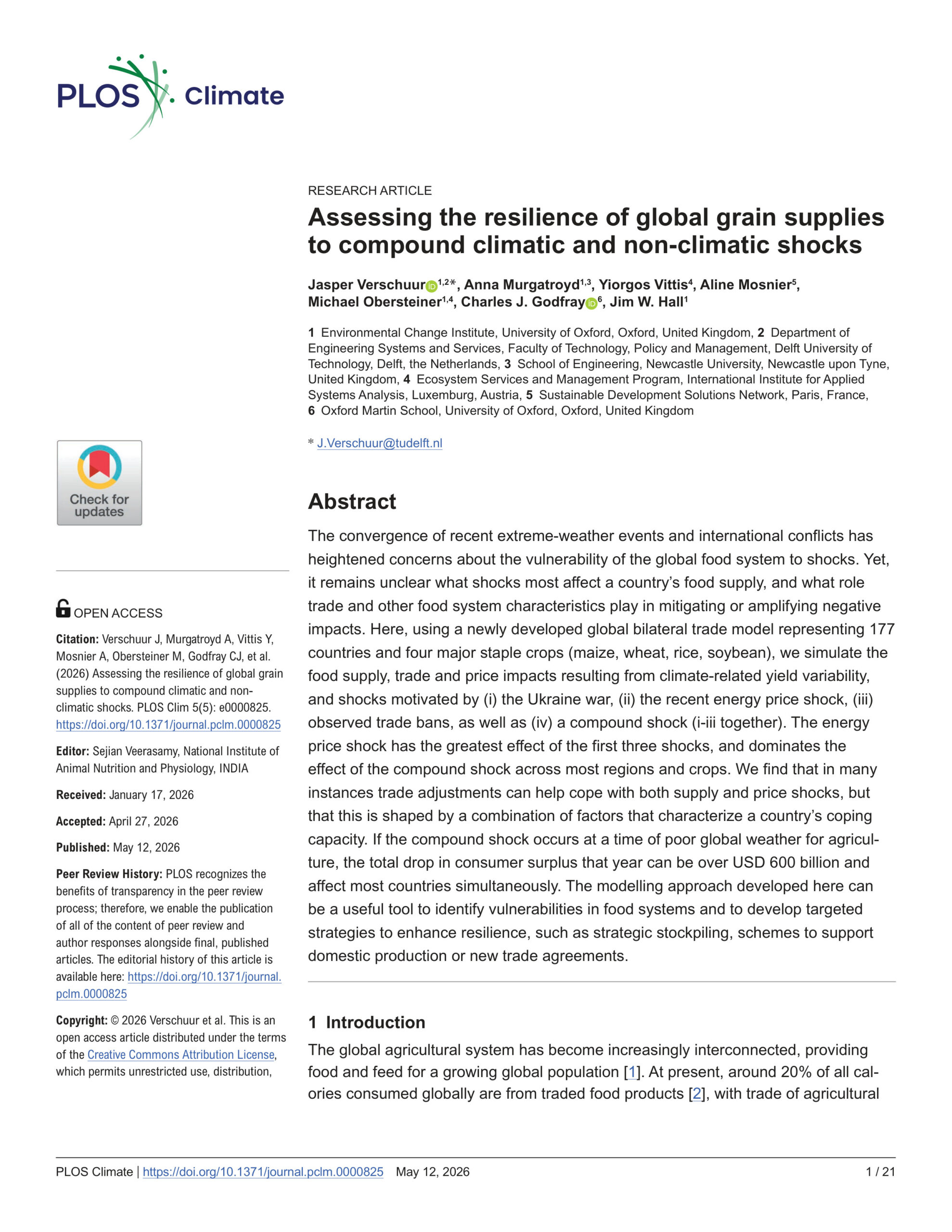
Assessing the resilience of global grain supplies to compound climatic and non-climatic shocks
This research evaluates the resilience of global grain supplies to compounding climatic and non-climatic shocks. Using a bilateral trade model for 177 countries, it demonstrates that energy price spikes and extreme weather severely disrupt food systems, highlighting the need for strategic stockpiling and diversified trade agreements to ensure food security.
Energy security through freight electrification: A rapid response briefing note on policy options for responding to the global fuel crisis
This briefing note outlines policy options to enhance Australia's fuel security through freight electrification. It recommends a phased, five-year, $3 billion programme to deploy up to 50,000 battery electric trucks, displacing one billion litres of diesel annually while leveraging private capital and implementing structural reforms.
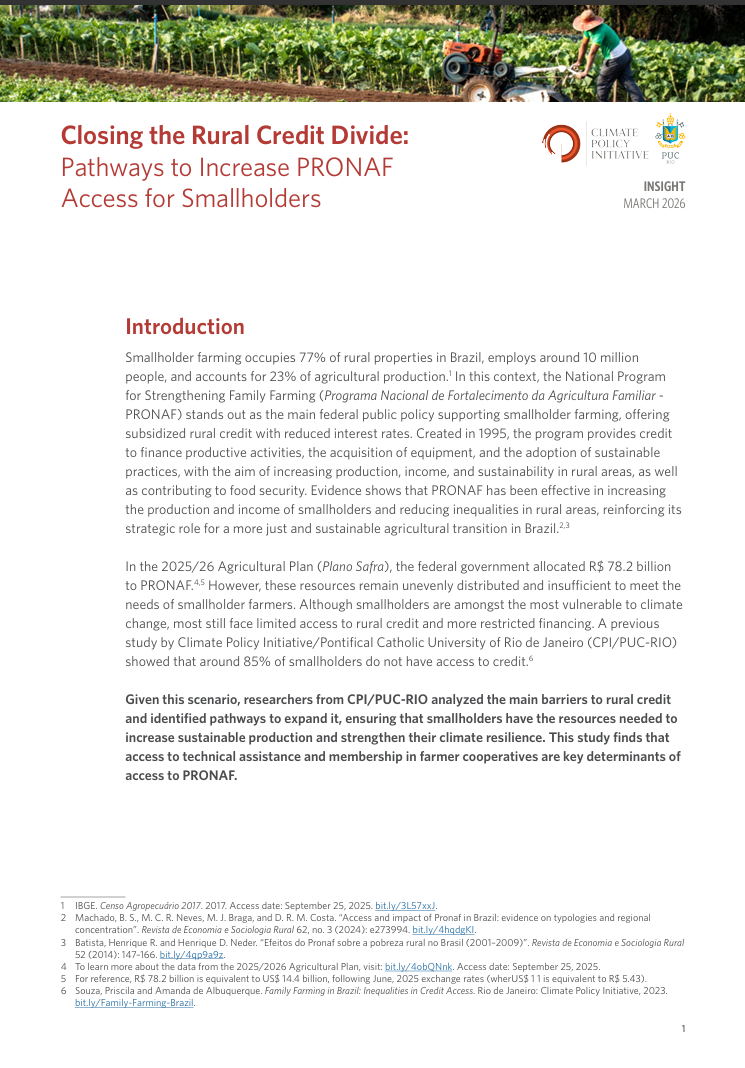
Closing the rural Credit divide: Pathways to increase PRONAF access for smallholders
This report analyses regional disparities in Brazilian smallholders' access to the PRONAF credit programme. Expanding technical assistance and co-operative membership are critical complementary policies to improve financial inclusion and climate resilience.
Governance: Hard to build, easy to erode: Global trends, business implications and the role of employer and business membership organizations
This report analyses global governance trends from 1996 to 2024, revealing widespread stagnation and persistent risks of backsliding. It highlights the critical link between stable institutional governance, increased foreign direct investment, and the necessary role of business membership organisations in sustaining long-term policy reforms.
How poverty fell
Global extreme poverty fell mainly within cohorts, with substantial household churn and varied exit pathways. Sector shifts, migration, occupation changes and women’s labour force participation contributed unevenly; most households exited poverty without these changes.

RIAA Conference Australia 2026 - Companion Resources
Responsible investment has moved well beyond principles and pledges. Today’s challenges require practical capability and informed judgement. The RIAA Conference is a must-attend event for finance, sustainability and industry practitioners who want to focus on the key themes for responsible investment in 2026 and what implementation really looks like. Designed as an immersive, hands-on experience, the program focuses on the systems that underpin strong financial performance, and will help you understand how climate, nature, technology, governance and regulation intersect.
These specially curated companion resources have been recommended by the conference speakers and Altiorem team.
These specially curated companion resources have been recommended by the conference speakers and Altiorem team.
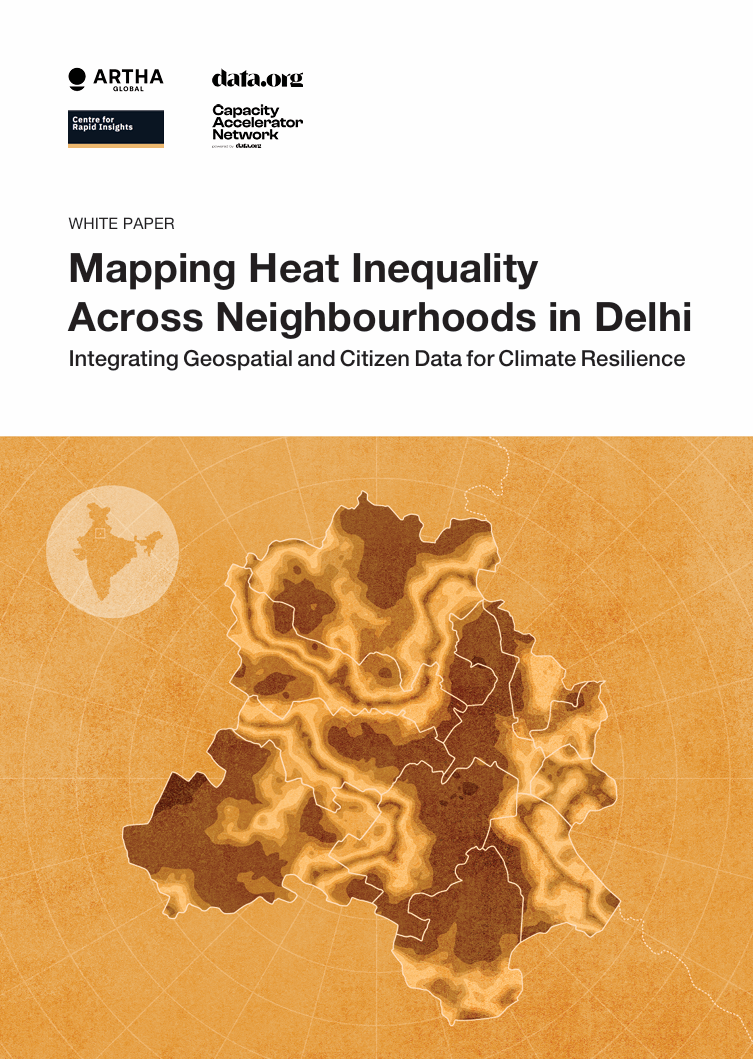
Mapping heat inequality across neighbourhoods in Delhi: Integrating geospatial and citizen data for climate resilience
Delhi heat vulnerability is shaped by neighbourhood density, limited green cover and unequal access to cooling. Using geospatial and household survey data, the report finds higher heat exposure increases illness, sleep disruption and productivity loss, while targeted greening, micro-level heat planning and energy-efficient cooling could improve urban climate resilience.
AI-driven intrusive surveillance and loss of autonomy at work linked to psychosocial risks for employees
ILO research finds AI-driven workplace surveillance and reduced employee autonomy may heighten psychosocial risks, including stress, privacy concerns and work intensification. The paper highlights gaps in occupational safety frameworks and calls for integrated regulation covering labour rights, data protection and mental wellbeing.
Equity in principle, misalignment in practice: Adaptation finance governance in the adaptation fund and green climate fund
The report argues that adaptation finance through the Adaptation Fund and Green Climate Fund formally prioritises equity, vulnerability and country ownership, but remains constrained by voluntary funding, access barriers and project-based delivery, limiting alignment with Global South priorities.
PFAS: From non-stick to stuck in court – Dashboard
The PFAS: From Non-stick to Stuck in Court Dashboard is an online tool developed by Planet Tracker to help investors assess PFAS litigation risk. It maps facility-level exposure across publicly listed companies, supporting ESG analysis, risk assessment and investment decisions related to environmental liabilities.
Transforming the urban climate project preparation ecosystem: Emerging findings on how enhanced collaboration can deliver greater coherence, efficiency and impact
The report examines weaknesses in urban climate project preparation and argues that stronger coordination between cities, financiers and support organisations could improve coherence, efficiency and project impact. It identifies structural and operational barriers and proposes collaborative reforms to strengthen climate finance delivery.
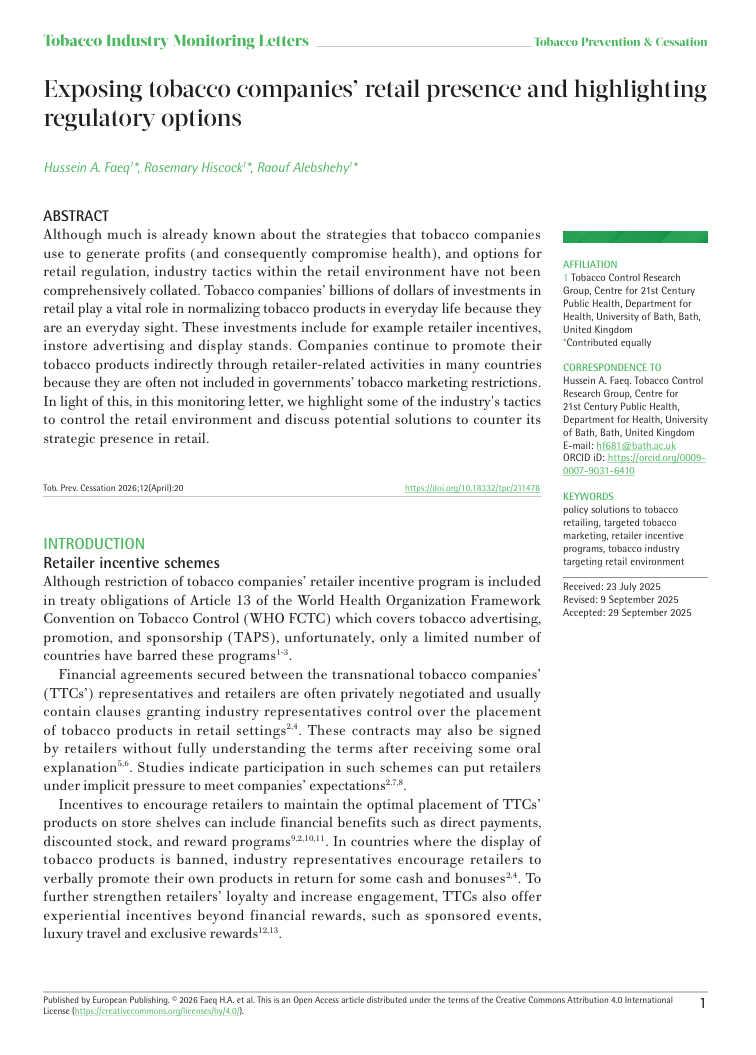
Exposing tobacco companies’ retail presence and highlighting regulatory options
The report outlines how tobacco companies use retailer incentives, targeted in-store marketing, and retailer lobbying to sustain product visibility and influence regulation. It reviews policy options, including retail licensing, outlet restrictions, and sales limitations, aimed at reducing tobacco availability and countering industry presence in retail settings.


