
Library | ESG issues
Stakeholder Engagement
Stakeholder engagement in sustainable finance ensures financial decision-making is informed by stakeholder perspectives, improving ESG risk management and responsible investment. Financial institutions, investors, and asset managers engage with communities, regulators, and civil society to assess material risks, enhance stewardship, and align capital flows with sustainability goals. Proactive engagement mitigates financial risks related to ESG issues, strengthens accountability, and supports regulatory compliance. It also creates investment opportunities in sustainable finance, including impact investing, climate transition funding, and nature-positive strategies.
Team Altiorem recommends

Refine
427 results
REFINE
SHOW: 16


Value of nature: The investment case for nature-based solutions
This report examines how Ecosystem Service Valuation (ESV) can scale finance for Nature-based Solutions (NbS). By revealing the distribution of socio-economic benefits and costs across stakeholders, ESV provides a standardised framework to inform financial mechanisms and structure effective public-private partnerships.
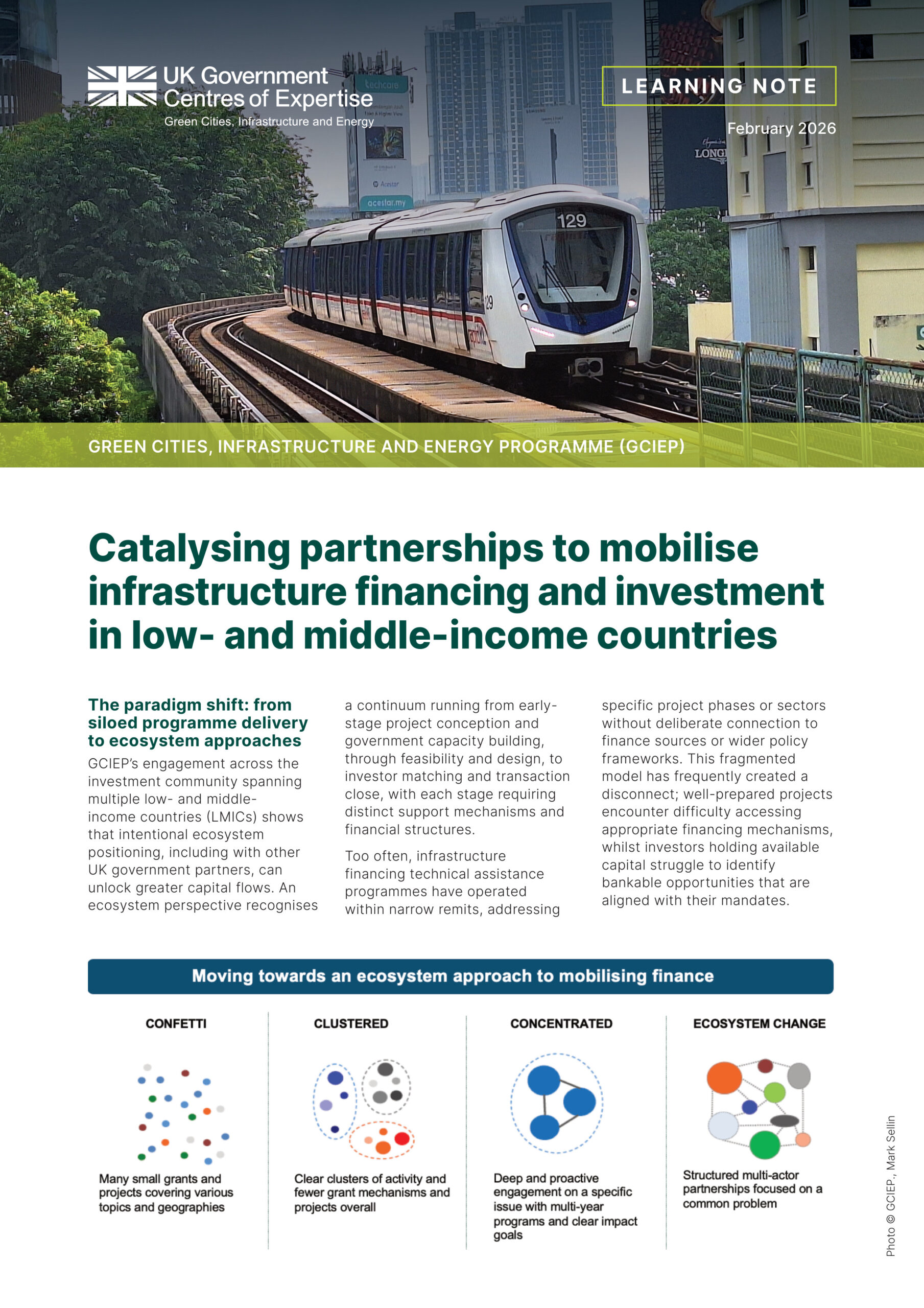
Catalysing partnerships to mobilise infrastructure financing and investment in low- and middle-income countries
This learning note explores how an ecosystem approach to infrastructure financing can mobilise capital in low- and middle-income countries. It highlights the importance of early finance engagement, de-risking mechanisms, and integrated partnerships to transform technically sound projects into commercially viable investments.
Governance: Hard to build, easy to erode: Global trends, business implications and the role of employer and business membership organizations
This report analyses global governance trends from 1996 to 2024, revealing widespread stagnation and persistent risks of backsliding. It highlights the critical link between stable institutional governance, increased foreign direct investment, and the necessary role of business membership organisations in sustaining long-term policy reforms.
Transforming the urban climate project preparation ecosystem: Emerging findings on how enhanced collaboration can deliver greater coherence, efficiency and impact
The report examines weaknesses in urban climate project preparation and argues that stronger coordination between cities, financiers and support organisations could improve coherence, efficiency and project impact. It identifies structural and operational barriers and proposes collaborative reforms to strengthen climate finance delivery.
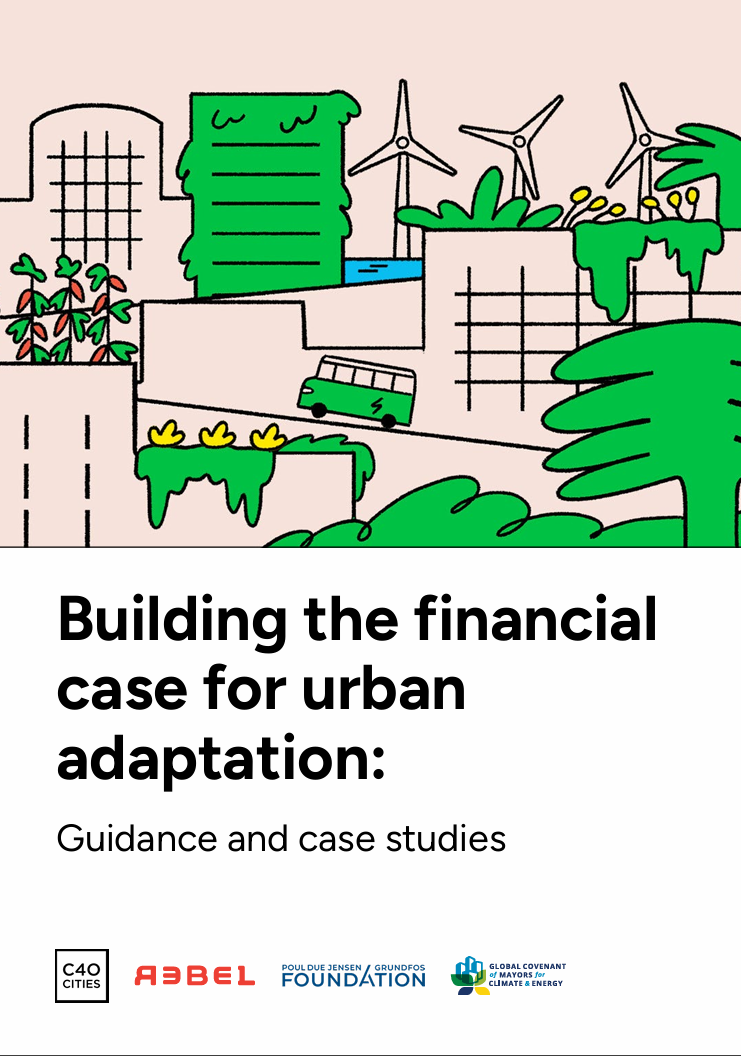
Building the financial case for urban adaptation: Guidance and case studies
C40 and Rebel outline how cities can structure urban adaptation projects to attract private finance, using ten case studies. Bankability depends on revenue logic, risk allocation, public de-risking, early financier engagement and credible monitoring.
Indigenous wisdom and co-creation towards decolonisation: A review of Indigenous inclusion in management education
This review finds Western business schools have often excluded Indigenous knowledge, and argues decolonising management education requires Indigenous self-determination, truth-telling, trust-building, co-created curricula and relational pedagogies grounded in Indigenous wisdom and communities.
Impact trickles down: A general equilibrium theory of stakeholder exit and engagement
Develops a multi-sided matching model showing stakeholder exit or engagement depends on whether harm scales with productivity. When it does, high-productivity stakeholders exit, triggering reallocation spillovers that reduce harm economy-wide. Firm-level analyses underestimate impact by missing these general equilibrium “trickle-down” effects.
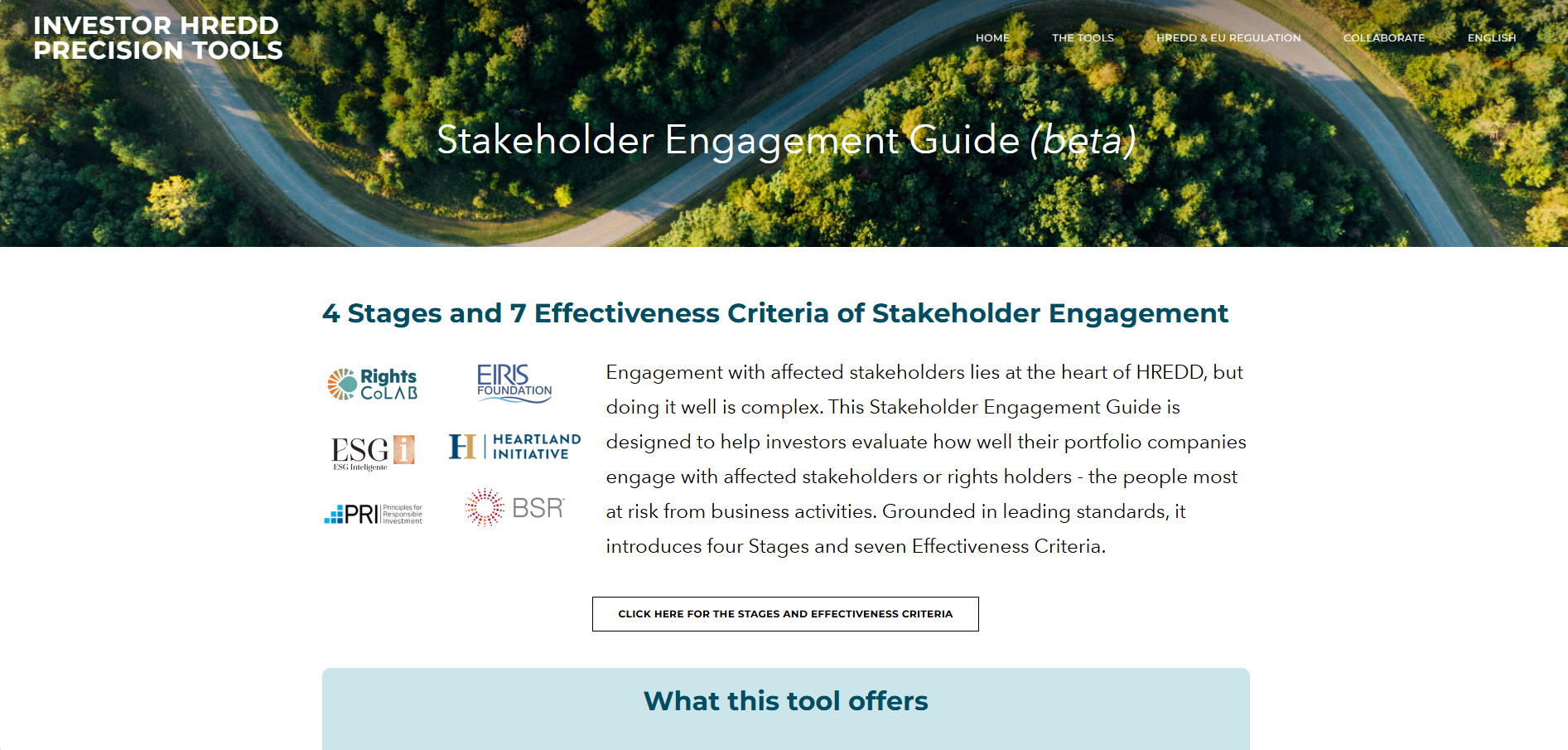
Stakeholder Engagement Guide (beta)
The Stakeholder Engagement Guide is an investor-focused tool for assessing how portfolio companies engage with affected stakeholders within human rights and environmental due diligence. It outlines four stages and seven effectiveness criteria, providing questions, indicators and examples to evaluate engagement quality and identify risks and improvements.
Investor democracy
Examines investor democracy in pension funds using deliberative mini-publics and a binding member vote. Finds informed deliberation shifts preferences towards impact investing despite potential lower returns, with broader member support leading to increased allocations, demonstrating how structured participation can guide sustainable investment decisions.
IFC's performance standards on environmental and social sustainability
The IFC Performance Standards (2012) form part of the Sustainability Framework, setting requirements for clients to identify, manage, and mitigate environmental and social risks in financed projects. They comprise eight standards covering areas such as labour, resource efficiency, biodiversity, and community impacts, and are widely used as a global benchmark for responsible investment.

Framing and language for effective climate conversations
Guide outlines how framing and language influence climate engagement, especially among ‘middle ground’ audiences. It emphasises aligning messages with shared values, avoiding polarising or technical language, and using practical, relatable framing to build support for emissions reduction and climate action.

Applying the OODA loop for leadership and company engagement
This guide explains applying the OODA (Observe, Orient, Decide, Act) loop to strengthen strategic leadership and company engagement in sustainable finance, enabling adaptive decision-making, stakeholder alignment, and iterative responses to ESG challenges, illustrated through practical steps and a case study of corporate transition.
Driving positive social change through co-operatives and mutual enterprises (CMEs)
This guide explains how co-operatives and mutual enterprises can support social change through democratic governance, member focus and long-term value. It argues they can improve stability, competition and sustainability in finance, while noting challenges including regulation, capital raising and market awareness.
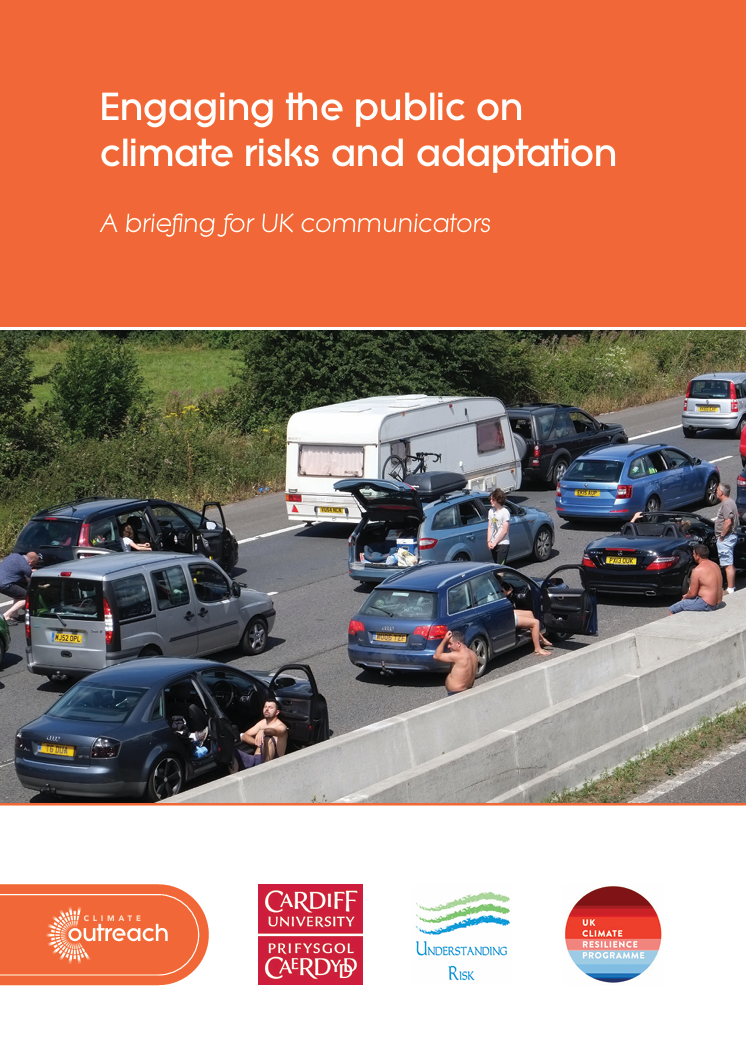
Engaging the public on climate risks and adaptation: A briefing for UK communicators
This briefing summarises UK public attitudes to climate risks and adaptation, highlighting rising concern, strong policy support, and the importance of communication strategies. It emphasises linking climate impacts to lived experience, health, and values to strengthen public engagement and support for adaptation and mitigation.
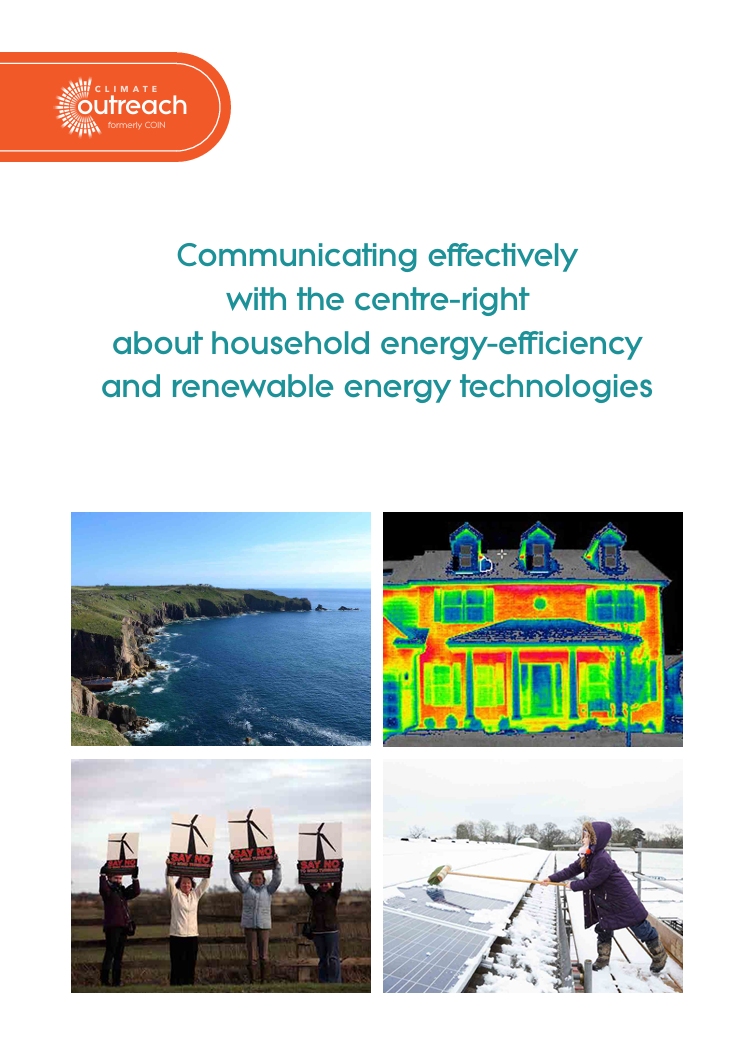
Communicating effectively with the centre-right about household energy-efficiency and renewable energy technologies
Report presents UK qualitative research on centre-right attitudes to energy efficiency and renewables, finding trust deficits and scepticism. Messaging aligned with values—avoiding waste, local control, and authenticity—resonates best, while economic or corporate framing underperforms. Emphasises credible messengers and community-based approaches.
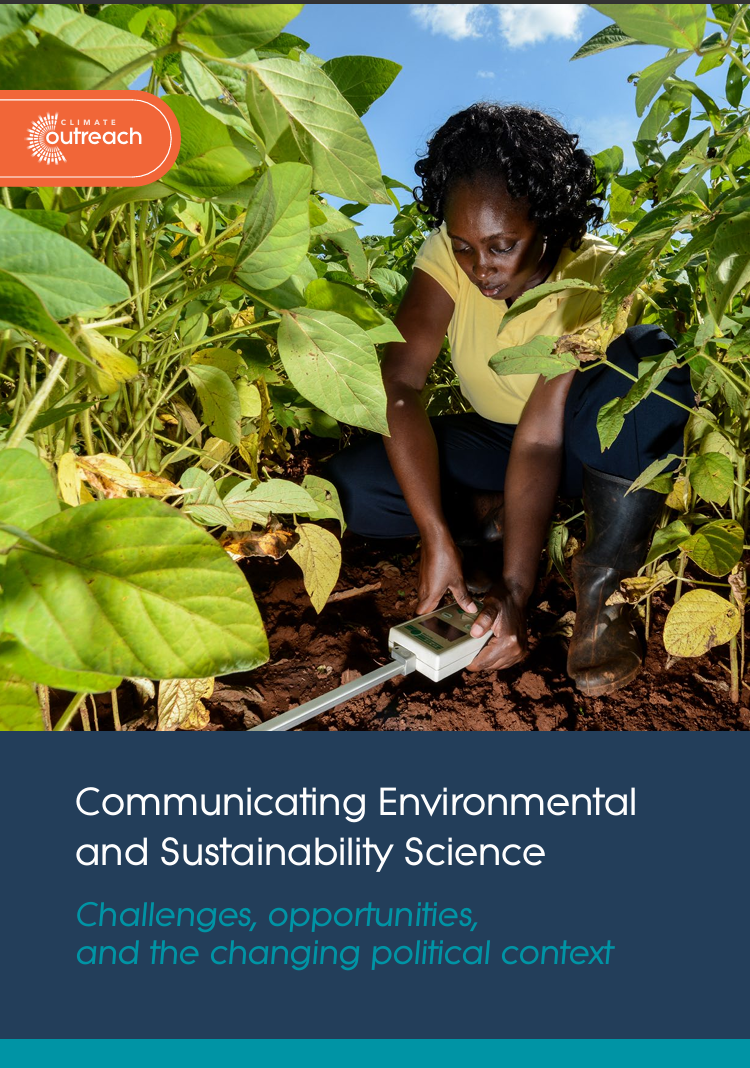
Communicating environmental and sustainability science: Challenges, opportunities, and the changing political context
Synthesises research on communicating environmental and sustainability science, highlighting a shift from one-way information to dialogue. Identifies challenges including political polarisation, trust, and misinformation, and emphasises values-based framing, narratives, and audience engagement as critical for effective public communication and future research priorities.


