
Library | SDGs
GOAL 12: Responsible Consumption and Production
Refine
471 results
REFINE
SHOW: 16


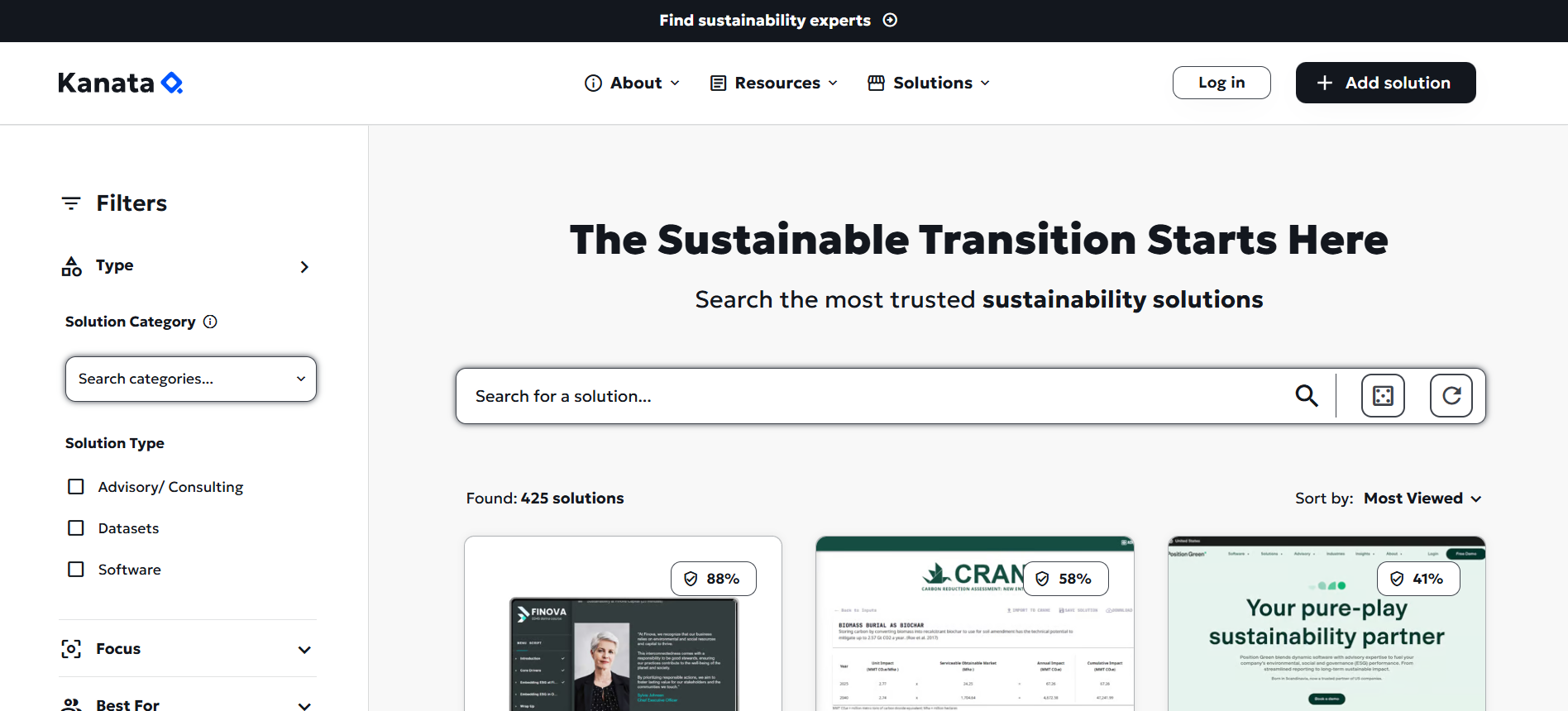
KanataQ
KanataQ is a sustainability and ESG solutions marketplace that helps organisations identify, compare, and connect with software and service providers. The platform offers structured listings, trust scores, and market intelligence to support informed procurement and strategy decisions.
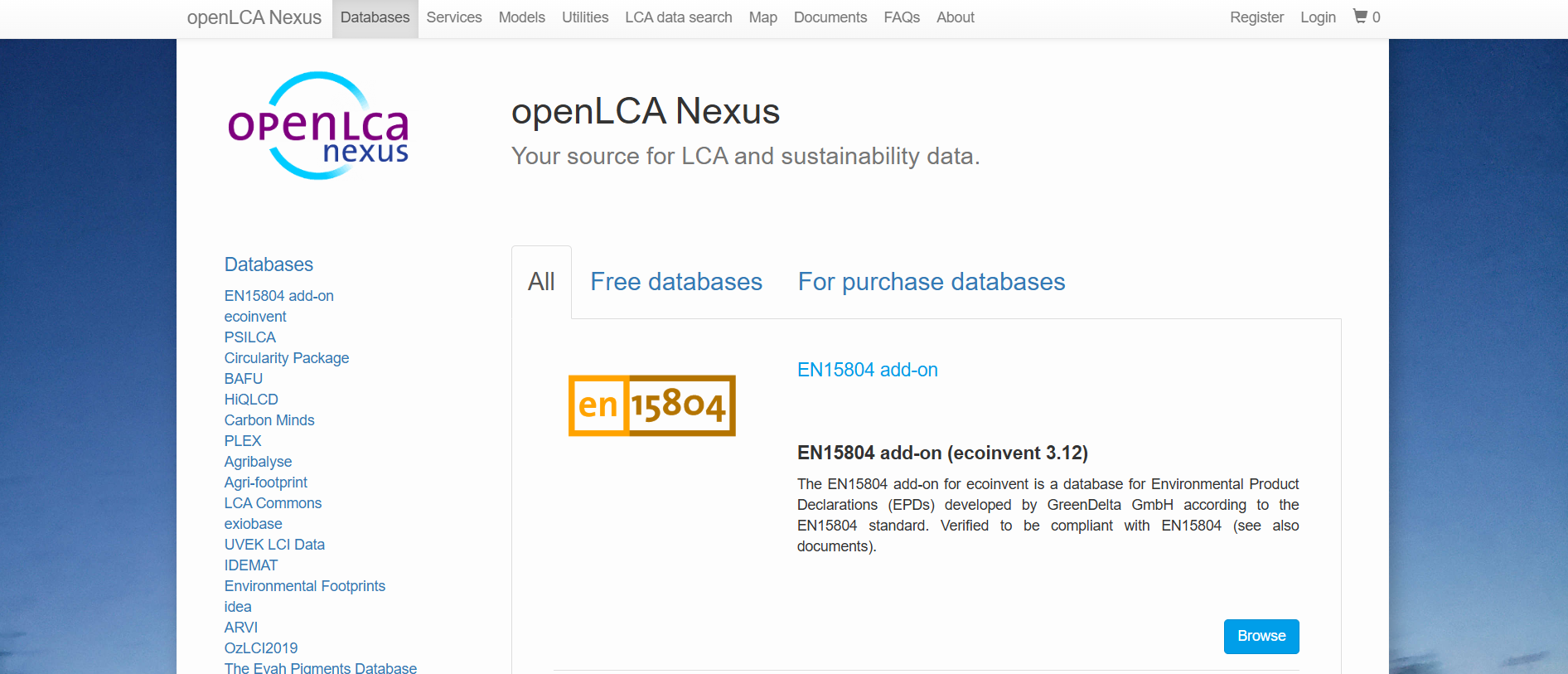
openLCA Nexus
openLCA Nexus is an online repository providing access to life cycle assessment databases for environmental and sustainability analysis. It hosts free and licensed datasets from multiple providers, covering energy, materials, agriculture, transport and waste, designed for use within the openLCA software environment.

Climate fiduciaries: part I – the climate prisoner’s dilemma
This article explores how climate change is reshaping fiduciary duty for pension funds, through court cases, legal analysis, and the concept of systemic risk. It introduces the “climate prisoner’s dilemma,” arguing that climate-aware investment may be shifting from discretionary to obligatory for long-term fiduciaries.

Nature Enters the Boardroom: Why Directors Are Paying Attention
Drawing on Australia’s first national study of board-level engagement with nature, this article shows how directors are treating nature as a material governance and financial issue. It highlights how boards are extending climate governance systems to manage nature-related risks, adopt frameworks like TNFD, and build resilience and long-term value despite policy uncertainty.
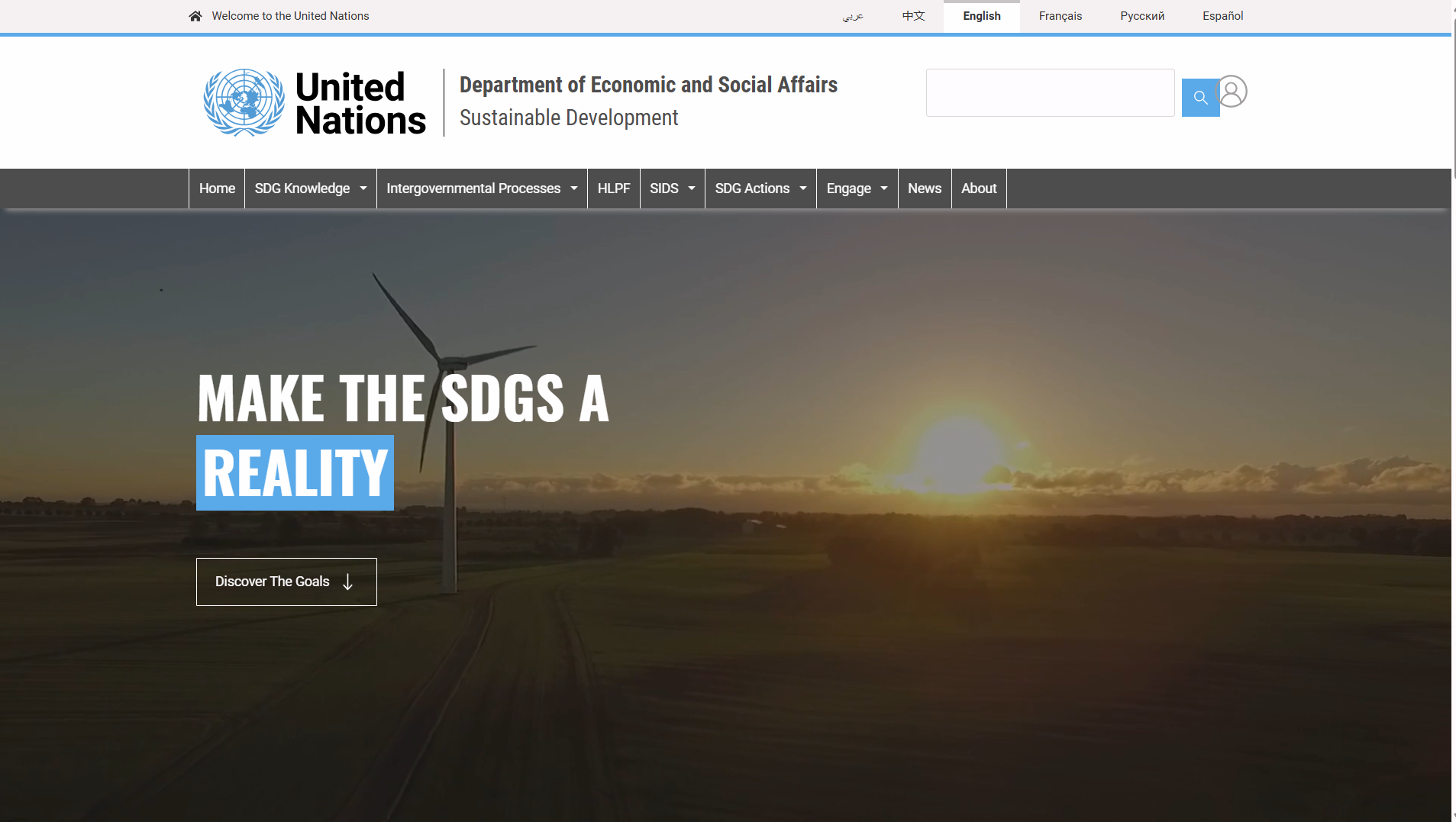
UN SDG Portal
The United Nations SDGs platform (sdgs.un.org) is an online hub for the 2030 Agenda and 17 Sustainable Development Goals, offering goals, targets, indicators, events, publications and global actions to track and support SDG implementation. It also includes registries of voluntary commitments and multi-stakeholder partnerships.

European Minerals Knowledge Data Platform (Minerals4EU)
Minerals4EU is an EU-supported initiative that created a harmonised minerals intelligence network and web portal, offering standardised European mineral resource data, a Minerals Yearbook and analytical studies. It supports policy decisions and raw materials supply security through shared georesource information across European geological surveys.
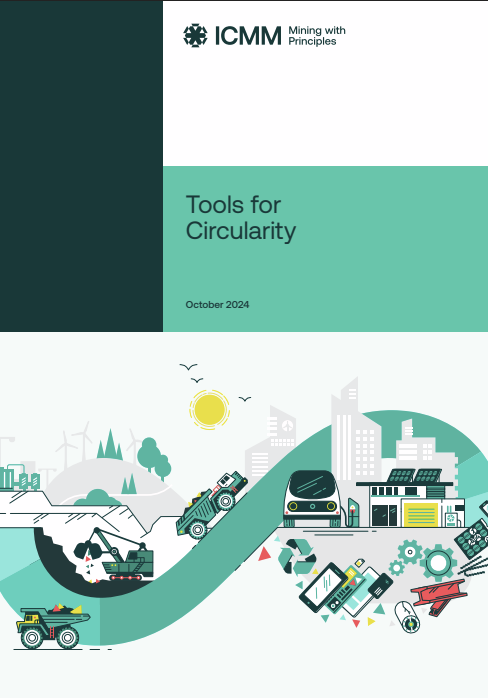
Tools for circularity
This report outlines practical tools to help mining and metals companies integrate circular economy principles. It explains business drivers, regulatory context, metrics, and case studies, supporting financial and non-financial business cases for improved resource efficiency, value retention, and responsible production.
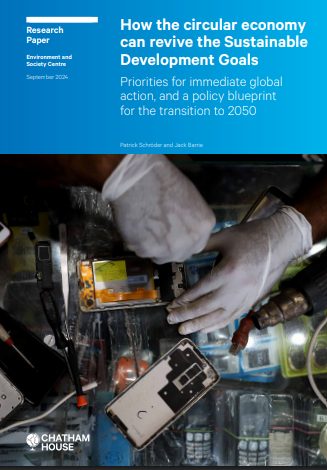
How the circular economy can revive the sustainable development goals: Priorities for immediate global action, and a policy blueprint for the transition to 2050
This report argues that embedding circular economy principles within the Sustainable Development Goals could revive stalled progress. It outlines five global policy priorities and proposes a 2050 blueprint linking circularity, inclusive growth, trade, finance and standards to post-2030 development agendas.
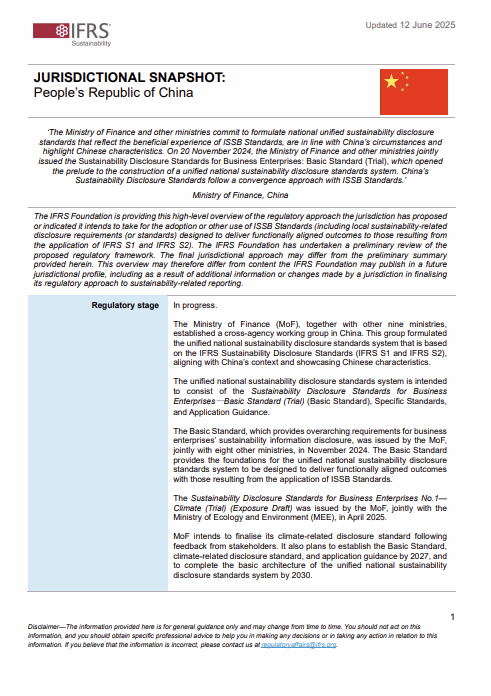
Jurisdictional snapshot: People’s Republic of China
China is developing unified national sustainability disclosure standards aligned with ISSB Standards. Led by the Ministry of Finance, the Basic Standard (Trial) was issued in November 2024, with climate disclosures proposed in 2025. Application is initially voluntary, with phased expansion and potential mandatory adoption by 2030.
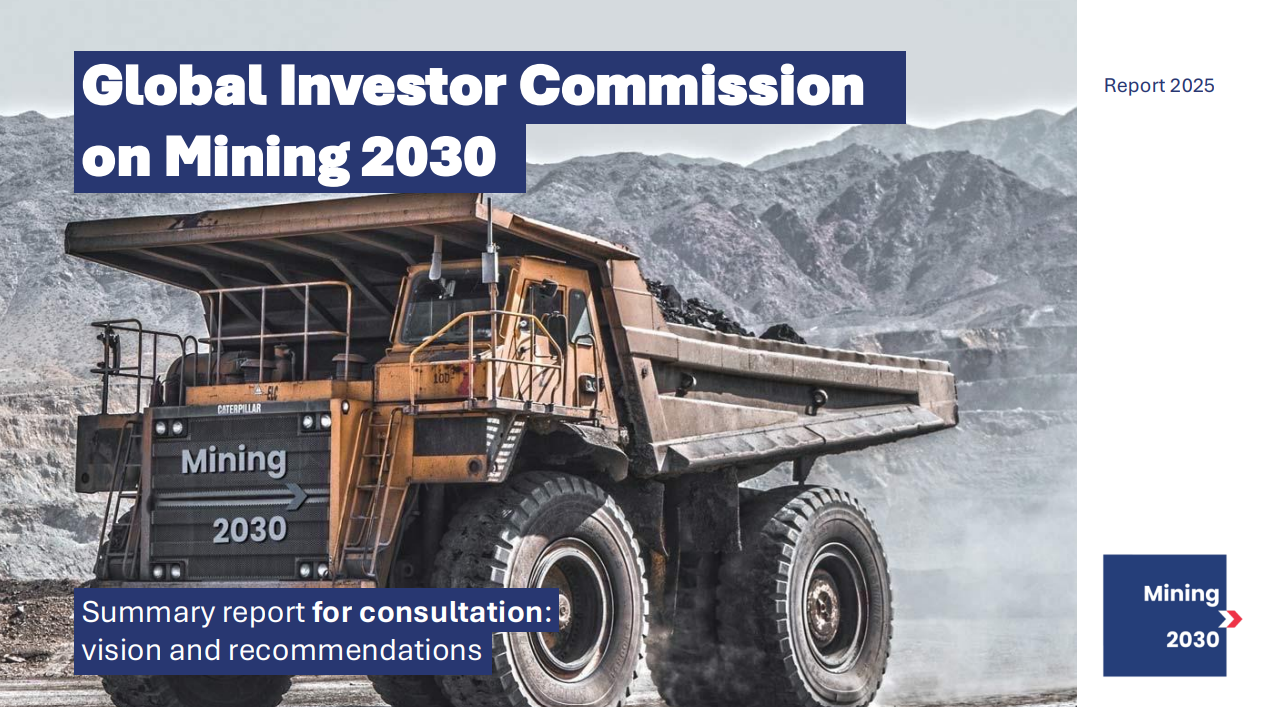
Global investor commission on mining 2030
The report outlines an investor-led 10-year vision for a responsible, resilient mining sector. It sets goals to align capital, governance and stewardship with social and environmental standards, supporting mineral supply for the low-carbon transition while managing risk and long-term value.
A review of the link between sustainability performance and company valuation
The report reviews recent evidence on links between sustainability performance and company valuation, finding growing but uneven market recognition. Strong strategies can improve resilience, EBITDA and capital costs, while inaction raises long-term financial risk amid evolving disclosure and regulation.
The (mis)use of scenarios in fossil fuel and industry climate disclosures
The report analyses climate disclosures by investor-owned carbon majors, finding widespread misuse of climate scenarios to claim Paris alignment. Common issues include outdated scenarios, opaque assumptions and misleading aggregation, which obscure transition risks and may misinform investor decision-making.
The role of traceability in critical mineral supply chains
The report examines how traceability can support responsible critical mineral supply chains. It outlines policy drivers, system components, costs and limitations, and mineral-specific challenges, concluding that well-designed traceability can enhance due diligence, transparency and supply security when proportionate and risk-based.
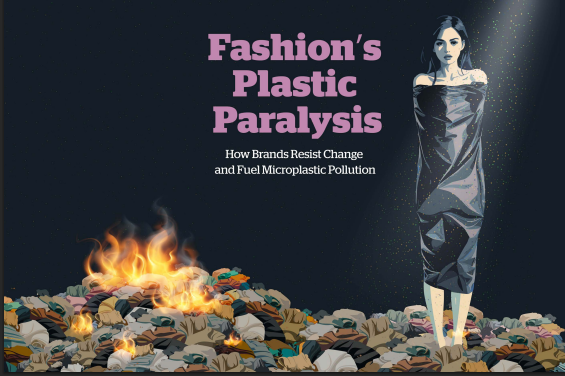
Fashion’s plastic paralysis: How brands resist change and fuel microplastic pollution
The report examines fashion brands’ continued reliance on synthetic fibres, highlighting how voluntary commitments, lobbying, and weak accountability delay fibre reduction and regulation. It links current business models to rising microplastic pollution and concludes that systemic policy and production changes are required.
Nature-related risks and the duties of directors of Canadian corporations
This legal opinion examines whether nature-related risks are foreseeable and material for Canadian companies. It concludes directors must consider, manage and, where material, disclose such risks to meet fiduciary and care duties under Canadian corporate and securities law.
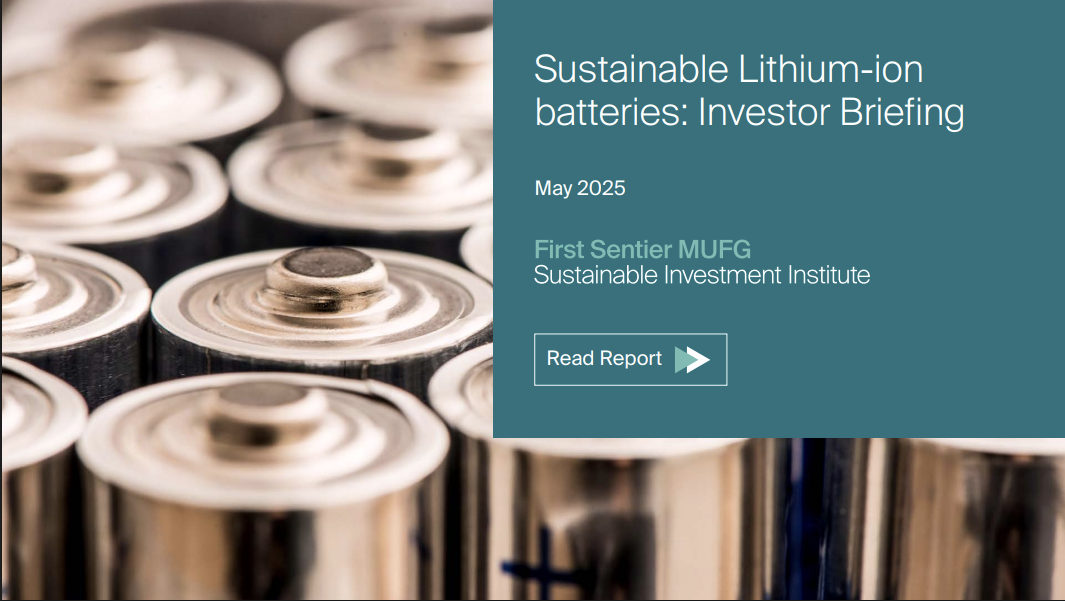
Sustainable Lithium-ion batteries: Investor briefing
This investor briefing outlines sustainability risks and opportunities across the lithium-ion battery value chain. It examines mineral extraction, processing, manufacturing and end-of-life impacts, highlights supply-chain concentration and ESG risks, and provides guidance on disclosure, engagement, circularity and responsible investment strategies.


