
Library | Sustainable Finance Practices
Issue/sector focused research
General research and analysis that provides deep dives and insights into specific sustainability issues or industry sectors, addressing the current status, trends, risks, and opportunities for the issue but not specifically addressing a finance or business audience.
Refine
545 results
REFINE
SHOW: 16


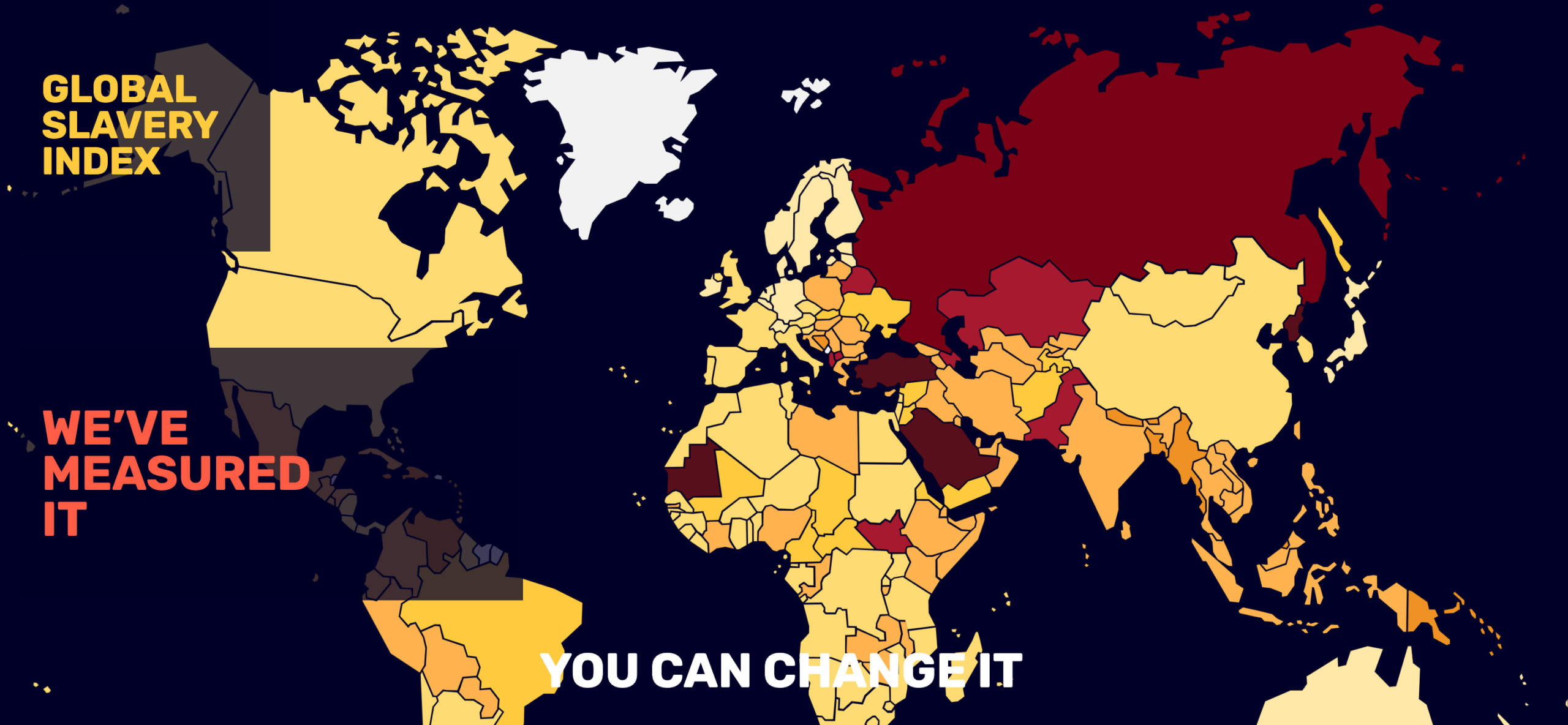
Global Slavery Index
The Global Slavery Index (GSI) by Walk Free provides comprehensive data on the prevalence of modern slavery in 160 countries, detailing how many people are affected, their vulnerabilities, and governmental responses.

Impact at scale
This report by Social Ventures Australia explores the topic of impact at scale within the Australian social sector. It sets out key features of impact at scale, with Australian case studies highlighting different approaches in working towards this goal. The report aims to bring together a uniquely Australian set of perspectives on the topic, which is broadly missing in current literature.
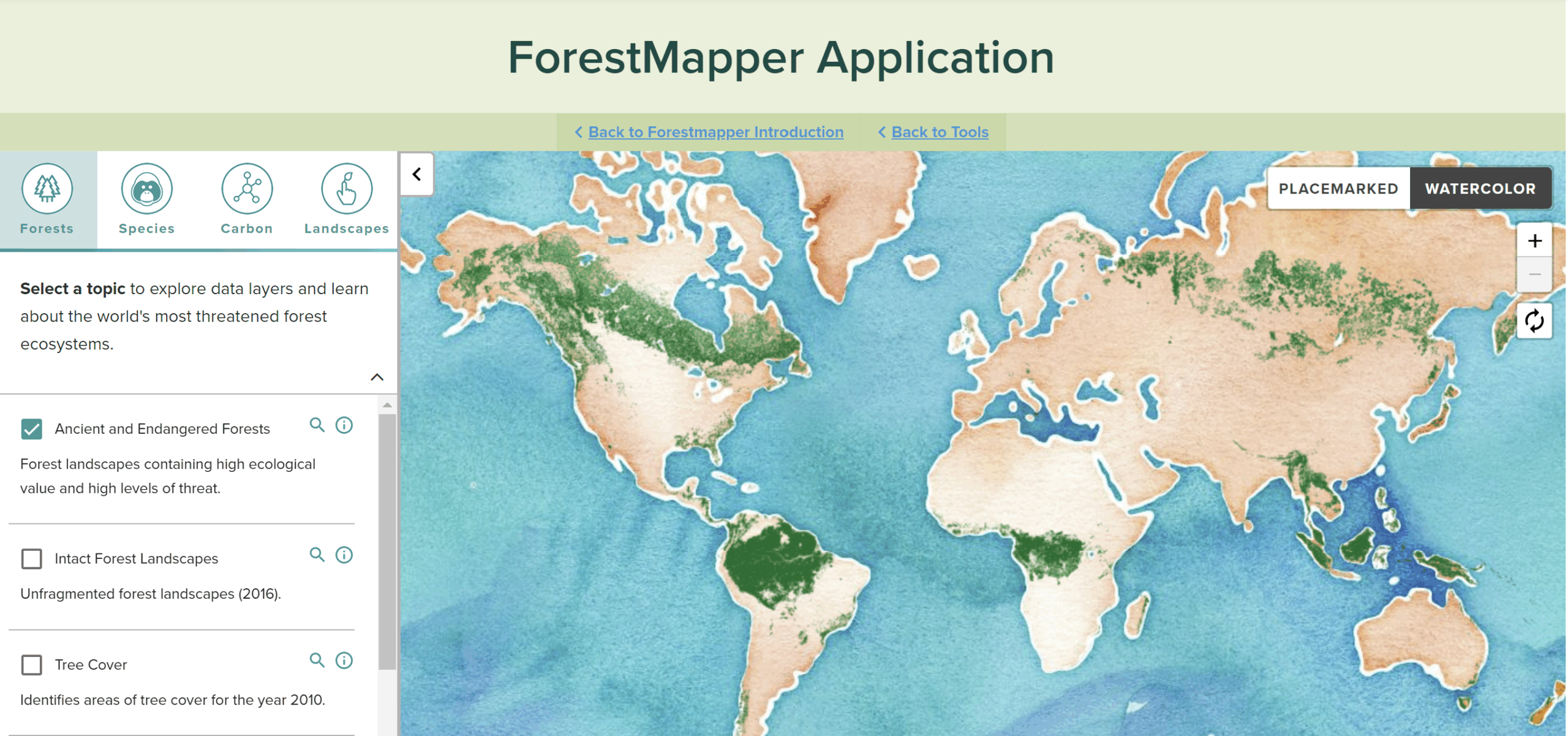
ForestMapper
ForestMapper is an interactive tool designed by Canopy to visually map ancient and endangered forests globally. It helps companies identify sustainable fibre sources and assess risks in their supply chains, featuring data layers on forests, species, carbon, and landscapes across various global regions.
World Economic Forum's global risks report series
The Global Risks Report is a long-running report series published by the World Economic Forum that examines emerging global risks across environmental, social, economic, geopolitical and technological domains. It provides a forward-looking assessment to support risk awareness, strategic planning and decision-making by finance professionals and policymakers.

Human rights and technology: Final report
The report highlights how Australia can achieve innovation while upholding human rights. It offers recommendations on how to protect and promote human rights while responsibly using new technologies. The Commission consulted industry, government, civil society, academia, and leading experts worldwide, producing a template for further accountability and human rights protection.

Decarbonization, population disruption and resource inventories in the global energy transition
The study underscores the necessity of macro-level planning for energy decarbonisation. It delves into the geographical intricacies and dynamics of mineral resource extraction during the transition, providing an empirical foundation to evaluate spatial impacts and demographic shifts. It reveals potential risks and disparities in risk distribution, emphasizing targeted planning's importance.

State of Indigenous business: Driving growth across the Indigenous business sector
The report provides insights into the Indigenous business landscape in Australia. The report outlines the potential economic growth for Indigenous businesses estimated at $8 billion, which could create 19,000 jobs for Indigenous Australians. The report discusses the current challenges facing Indigenous businesses and offers policy recommendations to stimulate growth and improved connection between procurers and Indigenous businesses.

Measuring what matters: Australia's first well-being framework
Measuring What Matters is Australia's first wellbeing framework, published in July 2023 by the Commonwealth of Australia. It seeks to deepen our understanding of how Australians are faring beyond traditional economic indicators. The framework includes 50 wellbeing indicators under the themes of healthy, secure, sustainable, cohesive, and prosperous societies.

Oxford principles for net zero aligned carbon offsetting
This 2024 framework of four principles and guidance for organisations and standard bodies involved in offsetting practices. The revised principles emphasise the need for urgency in the reduction of emissions and the closing of the carbon removal gap, while maintaining transparency and integrity in all projects.

Climate scorpion – the sting is in the tail: Introducing planetary solvency
The report explores the risks and impact of climate change on a global scale. The report emphasises the need for a realistic risk assessment urgently and laying out a blueprint on developing a Planetary Solvency framework.

Inside out inclusion: How to make better decisions and create an amazing team culture by valuing and including different viewpoints, styles and people
This report presents an inside-out inclusion model for improving team culture and decision-making. It covers how to improve self-awareness, value people, work together, make decisions, and adapt and grow. The model is backed by frameworks, tools, and reflection exercises.

Defining social norms and related concepts
This report defines social norms as the perceived unwritten rules deemed acceptable and influential in guiding human behaviour within a community. Social norms can be beneficial or harmful and influence collective change. The report distinguishes injunctive norms, descriptive norms, moral norms, and attitudes to establish behaviour change interventions.

Safe and just Earth system boundaries
This report sets safe and just Earth system boundaries (ESBs) for domains including climate, nitrogen, and phosphorus, and identifies sub-global ESBs for avoiding Earth system destabilization. Achieving these ESBs requires a systemic transformation across sectors and addressing drivers of Earth system change for a safe and just future.

Experimental evidence for tipping points in social convention
This study shows the theoretical and empirical existence of a tipping point for changing social conventions. Minority groups can overturn established behaviour by reaching a critical mass, expected to vary depending on social setting. The findings offer insight for organizations with potential shifts in conventional behaviour.

Environmental sciences, sustainable development and circular economy: Alternative concepts for trans-disciplinary research
This report discusses the challenges and opportunities of trans-disciplinary research in environmental sciences. It explores three alternative environmental concepts: "environmental sciences", "sustainable development", and the increasingly popular "circular economy". The article clarifies their meaning and inter-relationship, helping trans-disciplinary researchers to understand the opportunities and challenges of each.

Assessing pharma companies’ response to COVID-19 and the threat of future pandemics
This report analyses pharmaceutical companies’ response during the initial stage of the COVID-19 pandemic, their performance in terms of registration and applying equitable access strategies for COVID-19 vaccines, voluntary licensing agreements and technology transfers, and forward-looking assessment of their preparedness for future epidemics and pandemics.


