
Library | Sustainable Finance Practices
Issue/sector focused research
General research and analysis that provides deep dives and insights into specific sustainability issues or industry sectors, addressing the current status, trends, risks, and opportunities for the issue but not specifically addressing a finance or business audience.
Refine
747 results
REFINE
SHOW: 16


The price of gas: The hidden costs of European banks’ support for gas power expansion
This report examines how 24 European banks provided US$41.9 billion to gas power developers between 2021 and 2024. It highlights significant health impacts, including nearly 3,000 premature deaths in Europe, and warns that expanding gas infrastructure undermines global climate targets and exposes economies to price volatility.
Insurers' resilience toolkit: A practical taxonomy of climate adaptation and resilience measures
This research provides a practical taxonomy for the insurance sector to advance climate adaptation and resilience. Analysing over 200 measures, it highlights structural barriers and enabling conditions for scaling initiatives. The report advocates for a shift from post-event compensation towards proactive risk reduction and long-term stakeholder engagement.
Toward transformation in finance: Seeds of nature-positive futures
This research examines "finance for nature seeds" — innovative initiatives aimed at transforming the financial sector to reverse nature loss. By analysing 92 global projects, the study identifies diverse approaches to funding nature stewardship, highlighting current reliance on market-based mechanisms and the potential for inclusive, value-pluralistic financial systems.
The emancipatory potential of biodiversity reporting: Evidence from the United Kingdom and South Africa
This research evaluates the emancipatory potential of biodiversity reporting within the United Kingdom and South Africa. Analysing disclosures from 2018 to 2022, it finds significant increases in reporting intensity. The study presents a principles-based framework to distinguish between compliance-oriented disclosures and transformative, action-oriented environmental reporting.
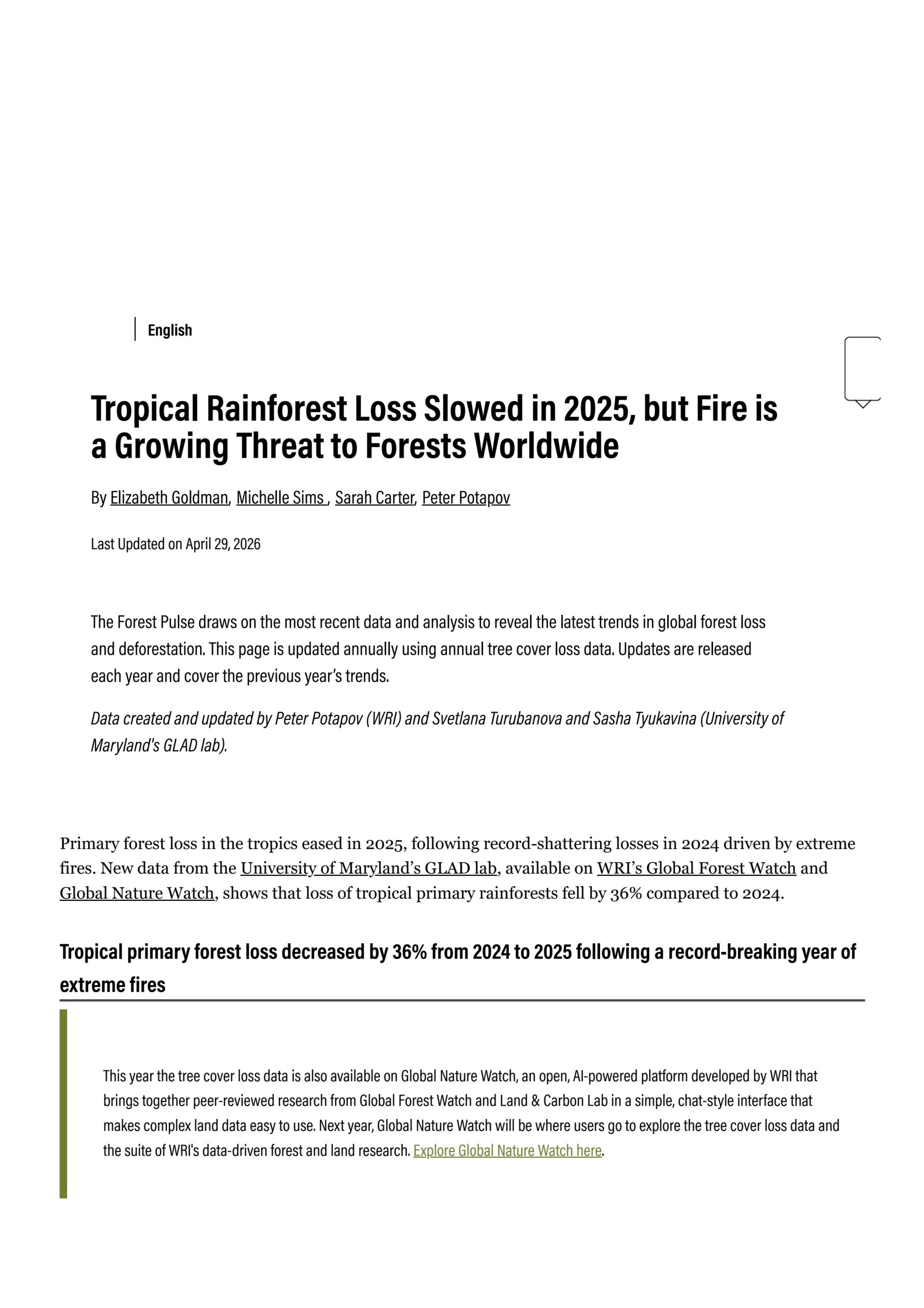
Tropical rainforest loss slowed in 2025, but fire is a growing threat to forests worldwide
Global tropical primary forest loss decreased 36% in 2025, though 4.3 million hectares were destroyed. Significant policy-driven reductions occurred in Brazil, but global deforestation remains 70% above levels required for 2030 targets. Fires drove 42% of global tree cover loss, with severe impacts in Canada and Europe.
Understanding inequality as a macro-financial risk to markets and diversified portfolios
This research identifies economic inequality as a systemic macro-financial risk to markets. It examines how wealth concentration and market power destabilise economies, fuel social instability, and hinder progress on global challenges. The report advocates for new financial analysis tools and disclosure frameworks to integrate social-related risks into investment strategies.
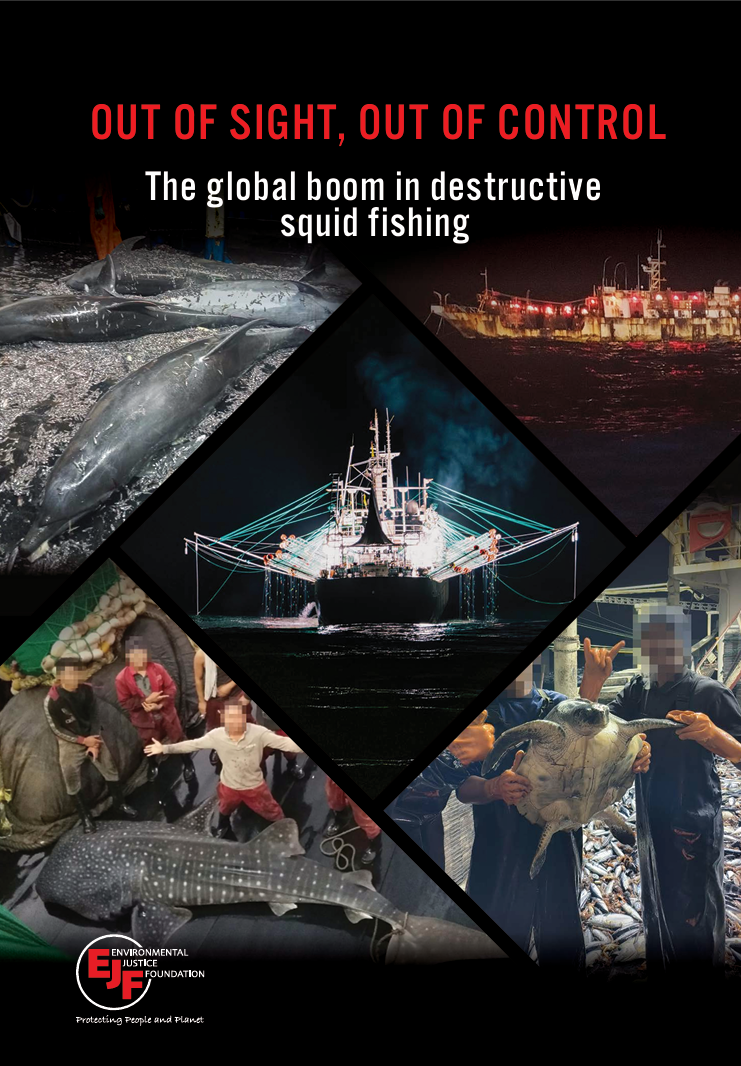
EJF's squid fisheries series
This report series examines global squid fisheries, focusing on governance gaps, illegal, unreported and unregulated (IUU) fishing, labour and human rights issues, supply chain transparency, and fisheries management. It analyses risks across key squid fisheries and explores policy and regulatory measures to support more sustainable and accountable fishing practices.

Sector insights: Real estate series
Sustainable Fitch Sector Insights Report Series is a series providing analytical assessments of the sustainability profiles of different sectors. It examines sustainability impacts, ESG rating trends, sustainable finance developments, sector-specific issues, and relevant sustainability-related regulations to support finance professionals’ understanding of sector performance.
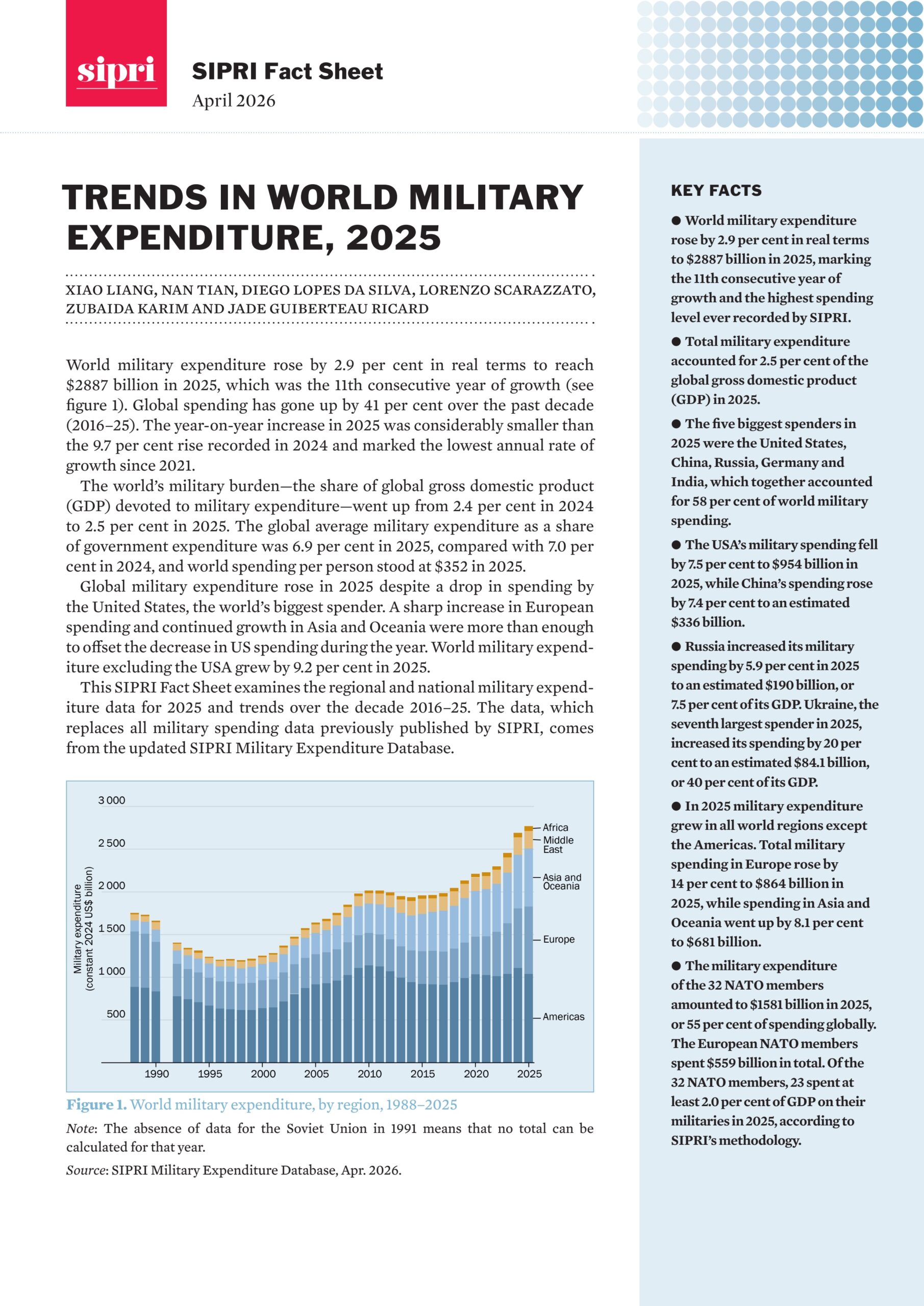
Trends in world military expenditure series
A benchmark series by SIPRI tracking annual global military expenditure across countries and regions. Published as an annual fact sheet, it provides data on spending levels, military burdens as a share of GDP, and decade-long trends to support evidence-based analysis of defence economics worldwide.
Global report on food crises series
The Global Report on Food Crises is an annual benchmark series tracking acute food insecurity, malnutrition and forced displacement in countries facing food crises. Produced by FAO, WFP and the Global Network Against Food Crises, it delivers consensus-based, multi-agency analysis to guide humanitarian and development decision-making globally.
A well-adapted UK: The fourth independent assessment of UK climate risk (CCRA4-IA)
This report assesses the UK’s climate risks to 2050, identifies priority adaptation actions across key sectors, and outlines investment, policy and governance measures to strengthen resilience. It provides evidence-based recommendations to support climate adaptation planning and reduce long-term economic and societal impacts.
AI data centers and electricity demand: Taming the energy guzzlers
This paper examines AI data centre electricity demand and its costs for ratepayers and the environment. It finds that Big Tech market capitalisations have risen far above predicted levels since ChatGPT's 2022 launch, while data centres drive up electricity prices and fossil fuel use. Regulatory reforms and innovations are recommended.
Carbon tariffs, emissions leakage, and production relocation
This paper examines whether carbon tariffs prevent emissions leakage from firm relocation in a North-South duopoly model. It finds that carbon tariffs combined with export rebates form the optimal carbon tax regime, preventing leakage when the northern firm's emissions intensity exceeds fifty percent of the southern firm's, and can benefit both countries.
EDHEC Climate Institute Resource Hub
EDHEC Climate Institute is a climate finance research resource that provides research, analytical tools and data on climate-related financial risks, transition pathways and climate policy. It supports finance professionals with evidence-based insights for investment analysis, risk assessment and decision-making on climate-related issues.
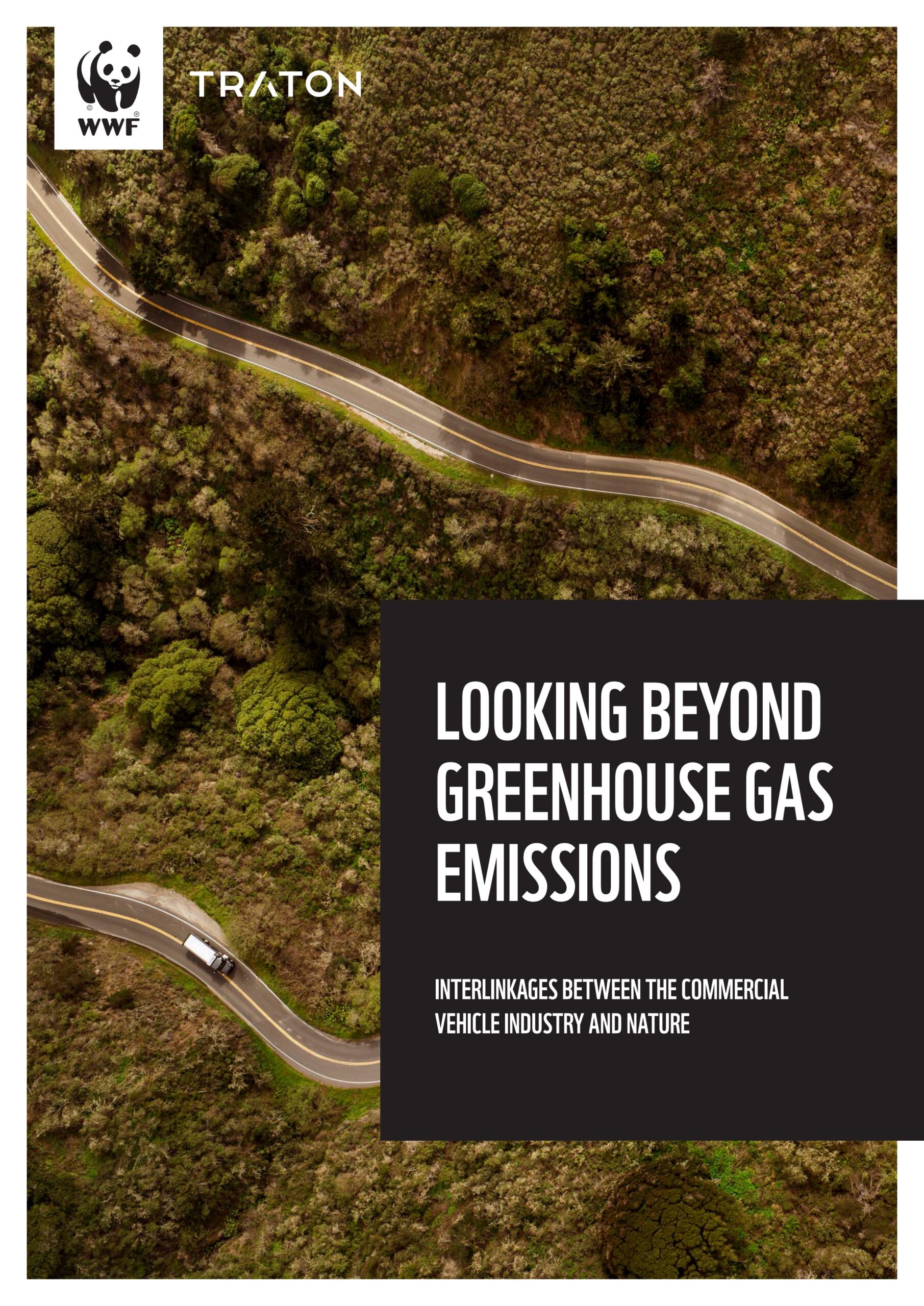
Looking beyond greenhouse gas emissions: Interlinkages between the commercial vehicle industry and nature
Published by WWF Sweden in collaboration with TRATON GROUP, this report examines the commercial vehicles sector's interlinkages with nature across its full value chain. It analyses six key commodities and value chain stages, identifies nature-related risks for businesses, and calls for sector-wide collaborative action towards a nature-positive future.
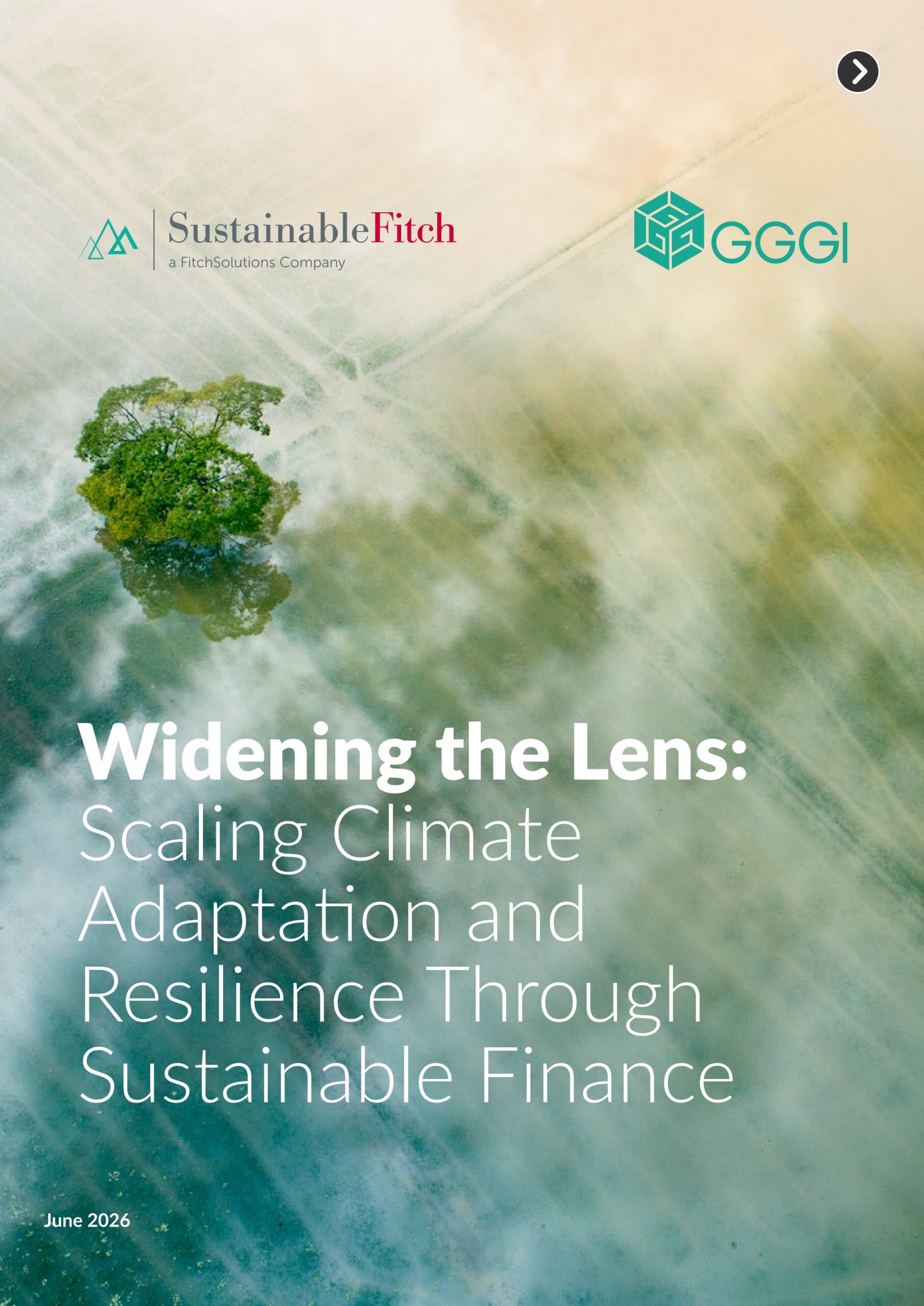
Widening the lens: Scaling climate adaptation and resilience through sustainable finance
This report examines climate adaptation and resilience in sustainable finance, highlighting a significant financing gap in emerging markets and limited formal allocation in labelled debt markets. It argues for a broader lens that recognises resilience outcomes already embedded in policy-driven investments, using Ecuador's sovereign housing framework as a case study.


