
Library | Sustainable Finance Practices
Laws and regulations
Government policies, legislation, and regulatory frameworks that shape sustainable finance practice, including mandatory disclosure rules, climate law, financial regulation, and ESG-related requirements.

Refine
461 results
REFINE
SHOW: 16


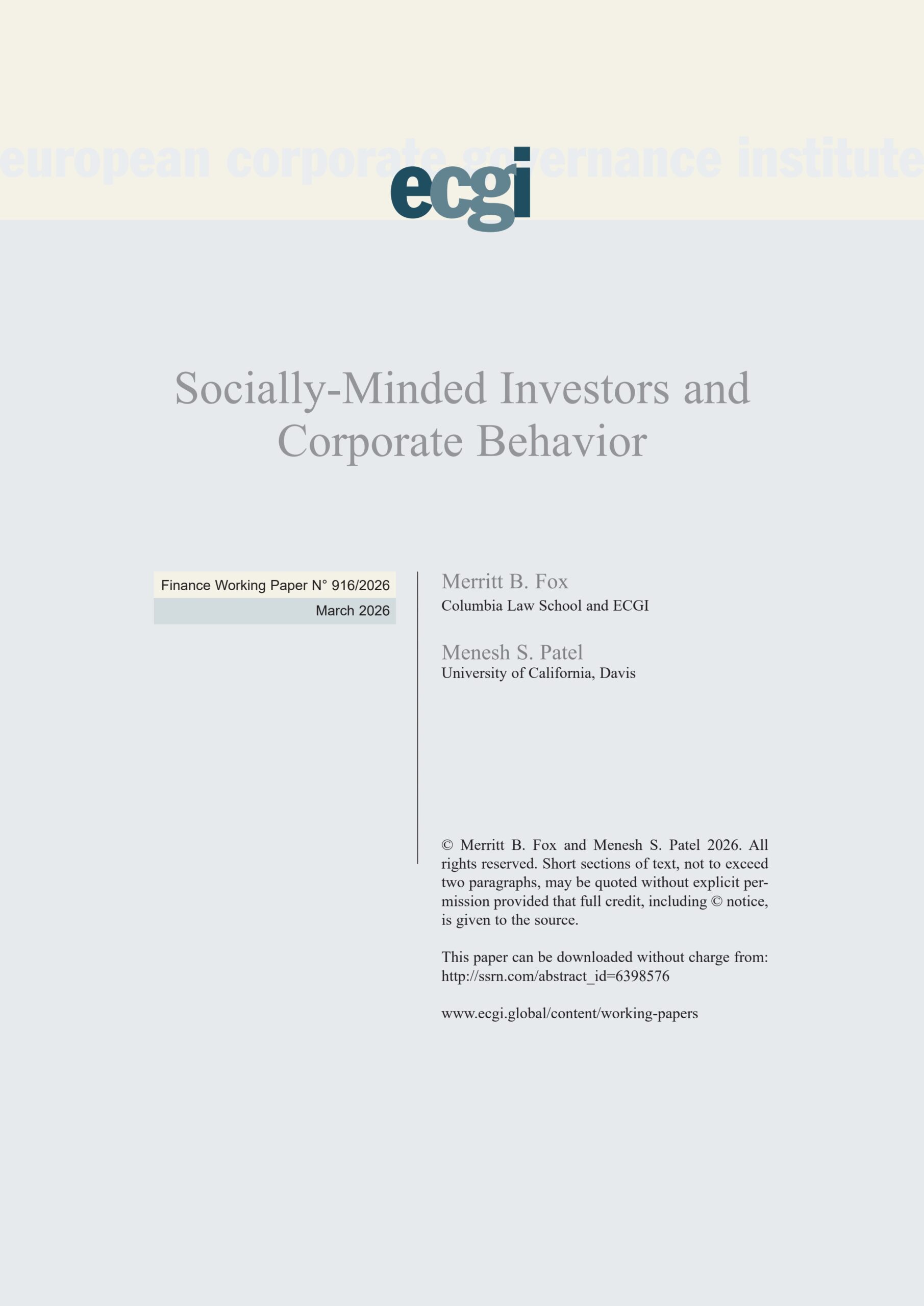
Socially-minded investors and corporate behavior
This report examines whether socially-minded investors influence corporate behaviour through voting, managerial incentives, or identity investing. It concludes that existing channels offer limited impact and evaluates potential legal reforms, such as binding shareholder votes and mandatory disclosures, to better align corporate actions with these investors' preferences.
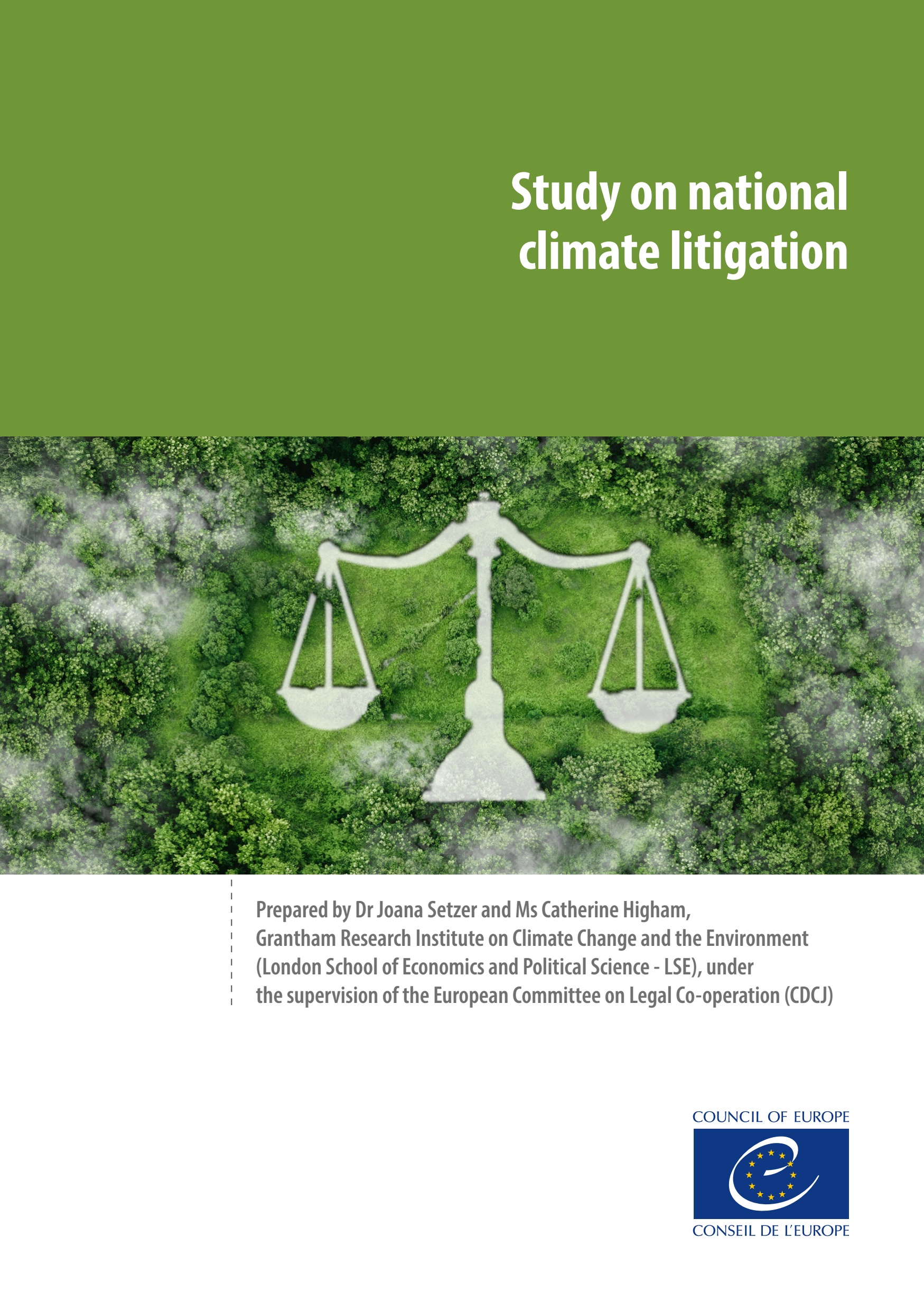
Study on national climate litigation
This report analyses strategic climate litigation trends across Europe, examining cases against states and corporations. It highlights key legal strategies, including human rights claims and polluter-pays mechanisms, while assessing the challenges of enforcing damages and the evolving obligations of governments and high-emitting businesses.
The European chemical sector's influence on biodiversity policy
This report analyses how major European chemical companies and industry associations influence biodiversity policy in the EU and US. It reveals that no assessed company aligns fully with science-based biodiversity goals, highlighting oppositional lobbying against critical regulations concerning pesticides, PFAS, and harmful chemicals.
Reining in big tech corporations: Why platform governance requires structural regulation
This paper argues that big tech platform corporations function as state-empowered artificial legal entities rather than private contractual arrangements. Highlighting their structural and governance power, the author suggests that these organisations require structural regulation and democratic oversight to recalibrate the delegated powers granted by states.
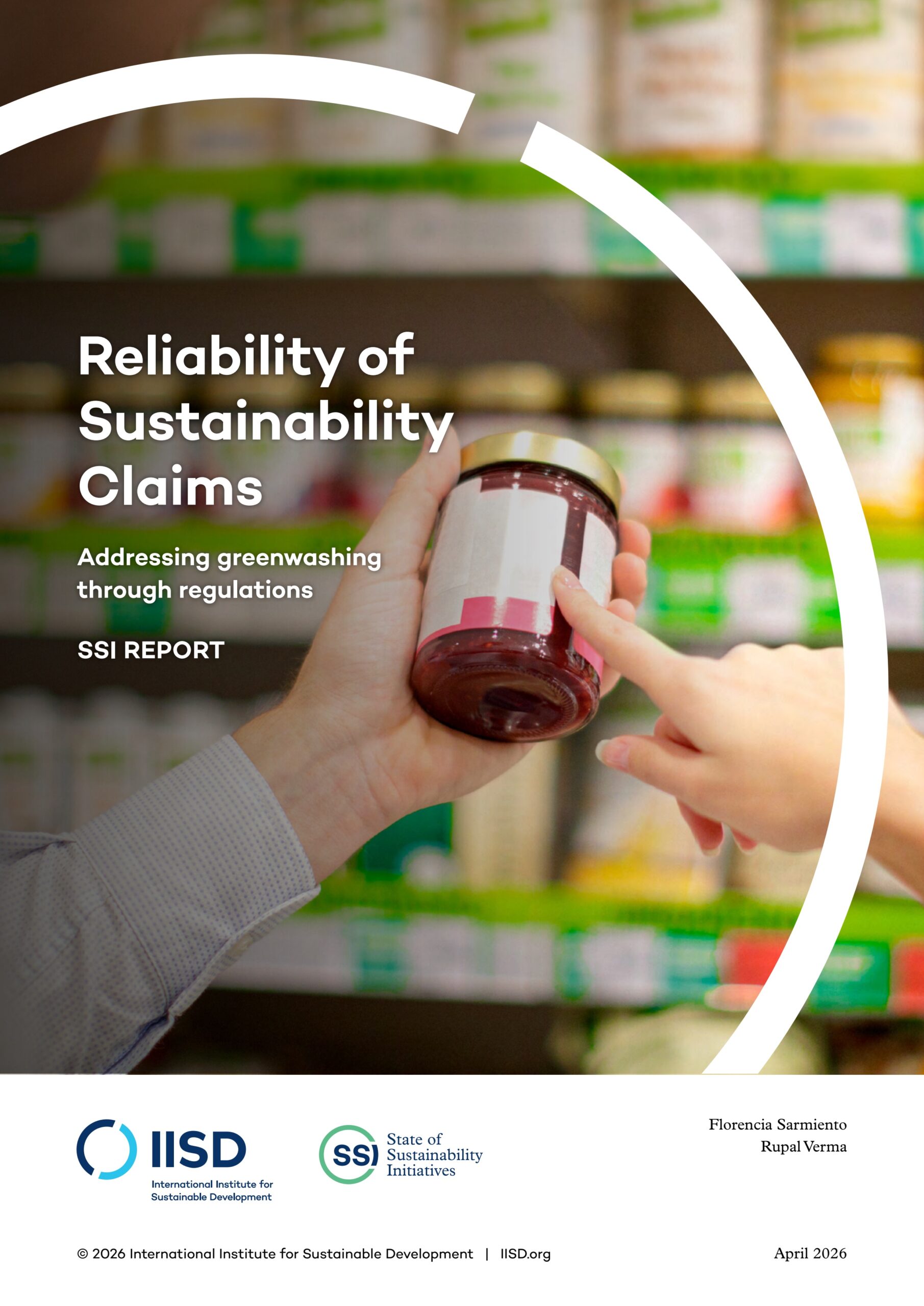
Reliability of sustainability claims: Addressing greenwashing through regulations
This report analyses 23 regulatory instruments across 12 jurisdictions to assess global responses to greenwashing. It highlights the reliance on cross-sectoral consumer protection laws and identifies challenges in substantiation. Recommendations include adopting proportionate approaches, investing in data infrastructure, and clarifying the role of voluntary sustainability standards.
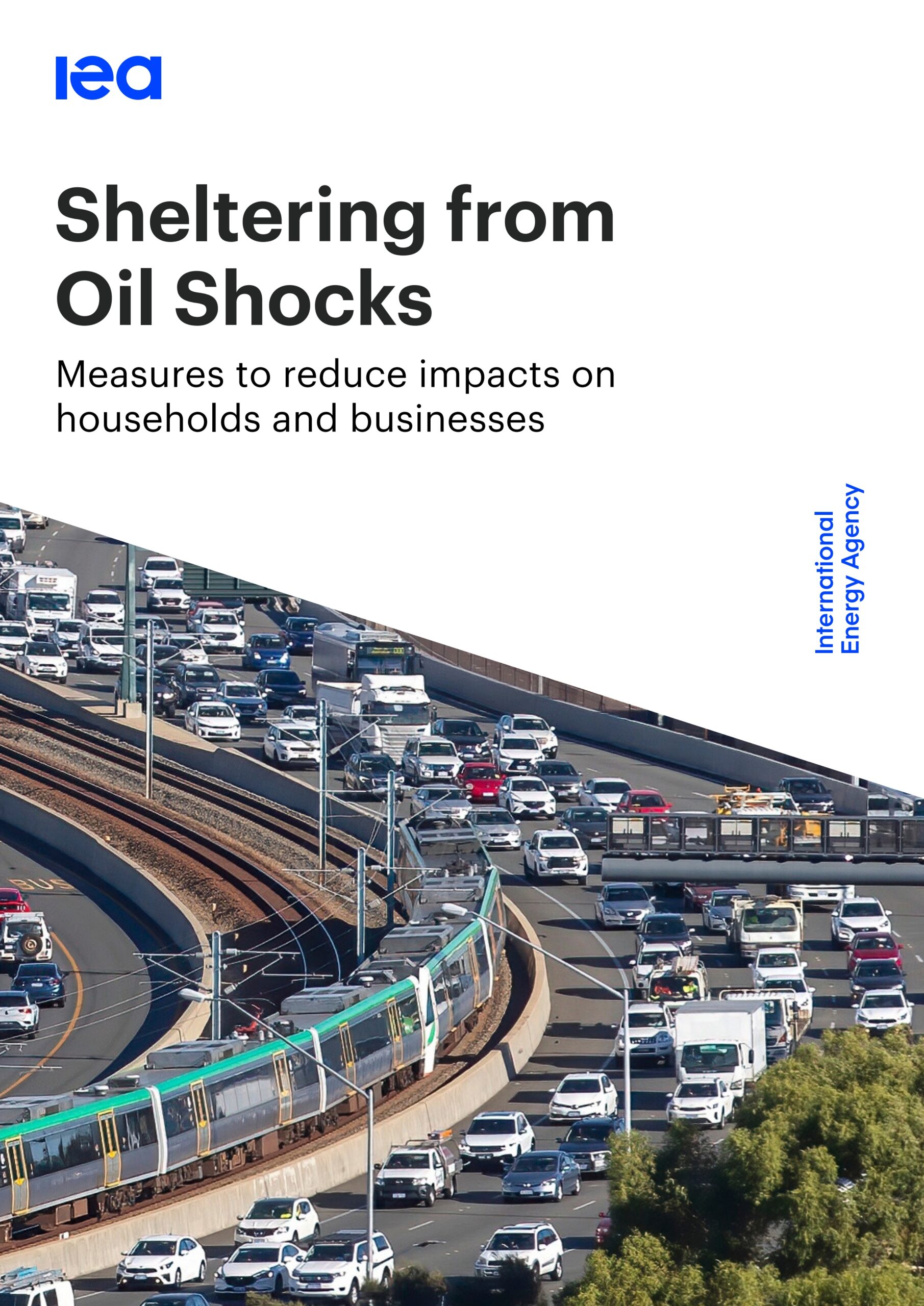
Sheltering from oil shocks: Measures to reduce impacts on households and businesses
This International Energy Agency report outlines measures to reduce the impact of oil supply disruptions on households and businesses. It details short-term and structural strategies across road and air transport, industry, and cooking fuels to lower demand and shield vulnerable consumers from rising energy costs.
Getting political finance right: Preventing corruption with UNCAC CoSP resolution 11/7
This report analyses the implications of UNCAC Resolution 11/7 on political finance, detailing key transparency measures, safeguards against illicit funding, and strategies to ensure state neutrality. It provides practical guidance for legislators and watchdogs to effectively implement oversight mechanisms and prevent corruption globally.
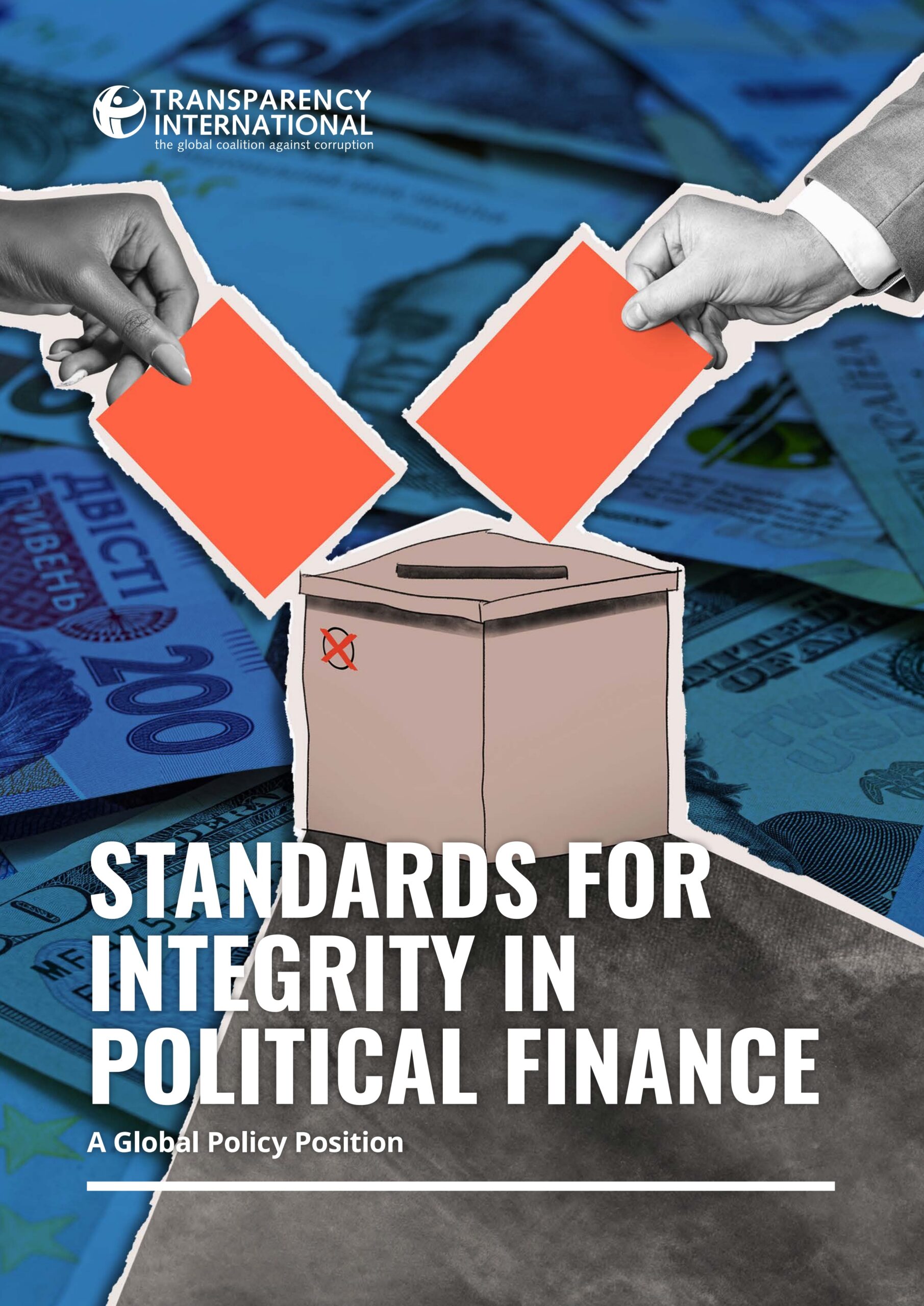
Standards for integrity in political finance: A global policy position
This report outlines global standards for integrity in political finance. It advocates for comprehensive reforms spanning transparency, limits on donations and expenditure, gender equality in funding, state neutrality, and robust accountability to prevent corruption and level the electoral playing field worldwide.
Digitalisation and innovation: Opportunities and risks for financial health
This report examines the impact of digital innovation on financial health. It outlines opportunities in payments, credit, savings, and insurance, whilst highlighting emerging risks such as fraud, overindebtedness, and ill-suited investments. The authors propose policy responses to enhance regulatory frameworks and promote responsible digitalisation in financial services.
OHCHR Knowledge Gateway
The OHCHR Knowledge Gateway provides access to human rights knowledge, practices, and resources to support implementation of international standards.
The state of sustainable finance (2025-2030) global architecture, jurisdictional approaches and emerging trends
This report examines global sustainable finance architecture and institutional shifts from 2025 to 2030. It assesses regulatory approaches across nine major jurisdictions, highlighting the European Union as the benchmark. The analysis identifies structural trends, including transition finance scaling, nature risk integration, and the harmonisation of sustainability reporting.
Food systems and antimicrobial resistance: Impacts on food safety, animal production and trade
This report examines the impact of antimicrobial resistance in food systems on public health, animal production, and international trade. It highlights the role of food-borne pathogens and commensal bacteria in transmitting resistance, evaluates risk analysis models, and recommends enhanced surveillance, antimicrobial stewardship, and standardisation of global trade regulations.
Leaning on uncertainty: Are European countries overrelying on carbon removals to reach climate targets?
This report analyses the climate strategies of six European countries and the European Commission, revealing a risky overreliance on unproven carbon dioxide removal technologies. It highlights fragmented planning, absent feasibility assessments, and policies contradicting scientific advice, warning that current approaches threaten effective climate action.
Fiscal policy and transition risk
This report uses an environmental dynamic stochastic general equilibrium model to analyse how climate policies interact with pre-existing labour and capital taxes. It finds that transition risks depend on policy design, financing choices, and financial frictions, highlighting critical differences between carbon taxes and abatement subsidies.
Tax Incentives in national investment laws: Bridging the gap between tax and investment policy-makers
This report analyses how tax incentives are embedded and governed within national investment laws across emerging markets and developing economies. It highlights coordination gaps between investment and tax authorities, the dominance of tax holidays, and the need for stronger anti-cumulation safeguards to prevent unintended revenue losses.
A systematic review of the voluntary governance landscape for an urgent, high-integrity, and equitable transition to net zero
This systematic review analyses 36 voluntary governance documents to assess how well they guide non-state entities towards an urgent, high-integrity, and equitable net-zero transition. It identifies consensus areas, like science-based targets, alongside critical gaps in operational detail, equity, and accountability, highlighting the need for robust standards and regulation.


