
Library | ESG issues
Human Rights
Human rights are the basic freedoms and protections every person holds regardless of nationality, status or circumstance. For financial institutions the central reference is the UN Guiding Principles on Business and Human Rights, which set out a responsibility to respect those rights through due diligence across operations, supply chains and investment portfolios. Adverse impacts such as forced labour, displacement of communities and unsafe working conditions carry legal, reputational and financial consequences, and increasingly fall within mandatory due diligence law.
Team Altiorem recommends


Refine
382 results
REFINE
SHOW: 16


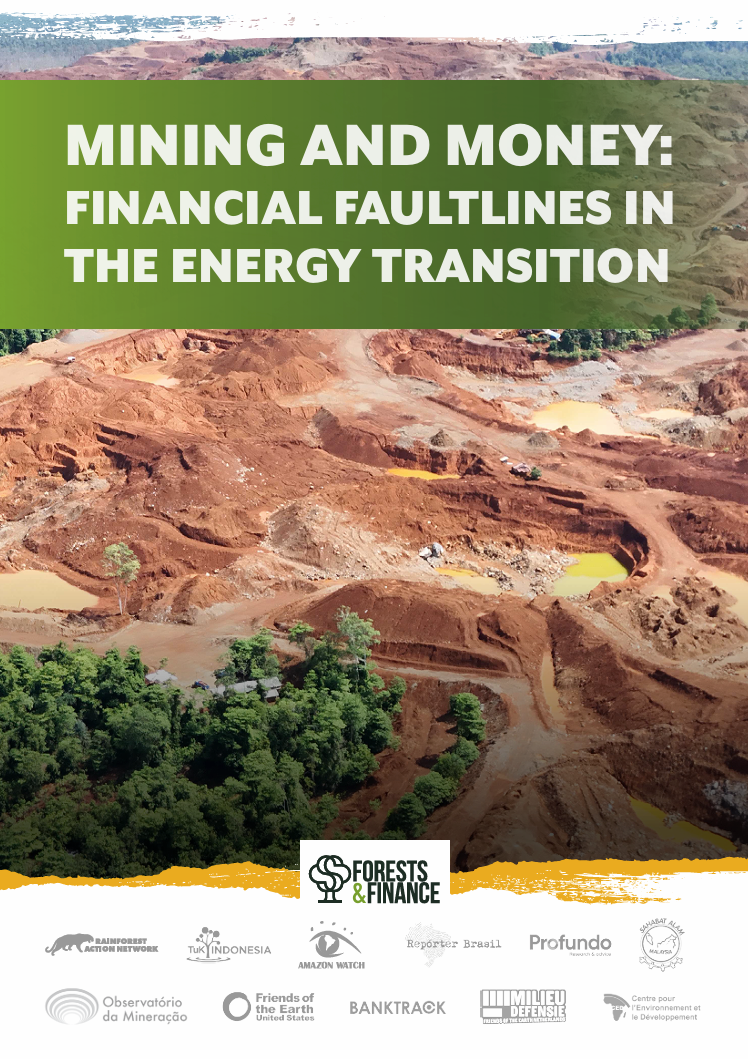
Mining and money: Financial fault lines in the energy transition
This report analyses global financing of transition mineral mining, showing concentrated capital flows, weak financial institution policies, and material environmental and human rights risks. It links bank and investor finance to mining harms across key regions and calls for stronger regulation and safeguards to enable a just energy transition.

Systems-informed stewardship part II: Bringing a systems perspective to stewardship
This article applies a systems lens to stewardship, arguing that fragmented intermediation and entrenched short-term time horizons undermine sustainability outcomes. It calls for recognising these structural barriers as a critical step toward more effective, systems-informed stewardship.
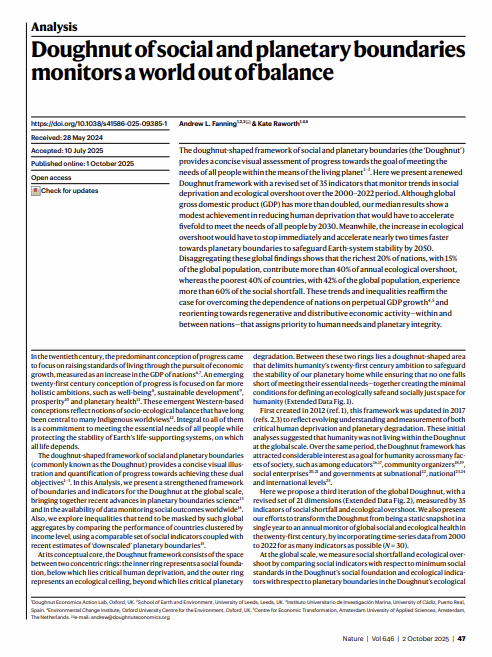
Doughnut of social and planetary boundaries monitors a world out of balance series
This series presents the Doughnut Economics framework, which assesses economic progress by balancing social foundations with ecological limits. It provides a structured approach to understanding whether human activity meets essential needs while remaining within planetary boundaries, supporting analysis, comparison and application across global, national and local contexts.

TuK Indonesia
Transformasi untuk Keadilan Indonesia (TuK INDONESIA) is an Indonesian non-governmental organisation based in Jakarta advocating human rights, social justice and environmental accountability in agribusiness, natural resources and finance sectors. It conducts research, campaigns and advocacy to promote sustainable finance, corporate accountability and protection of vulnerable communities.
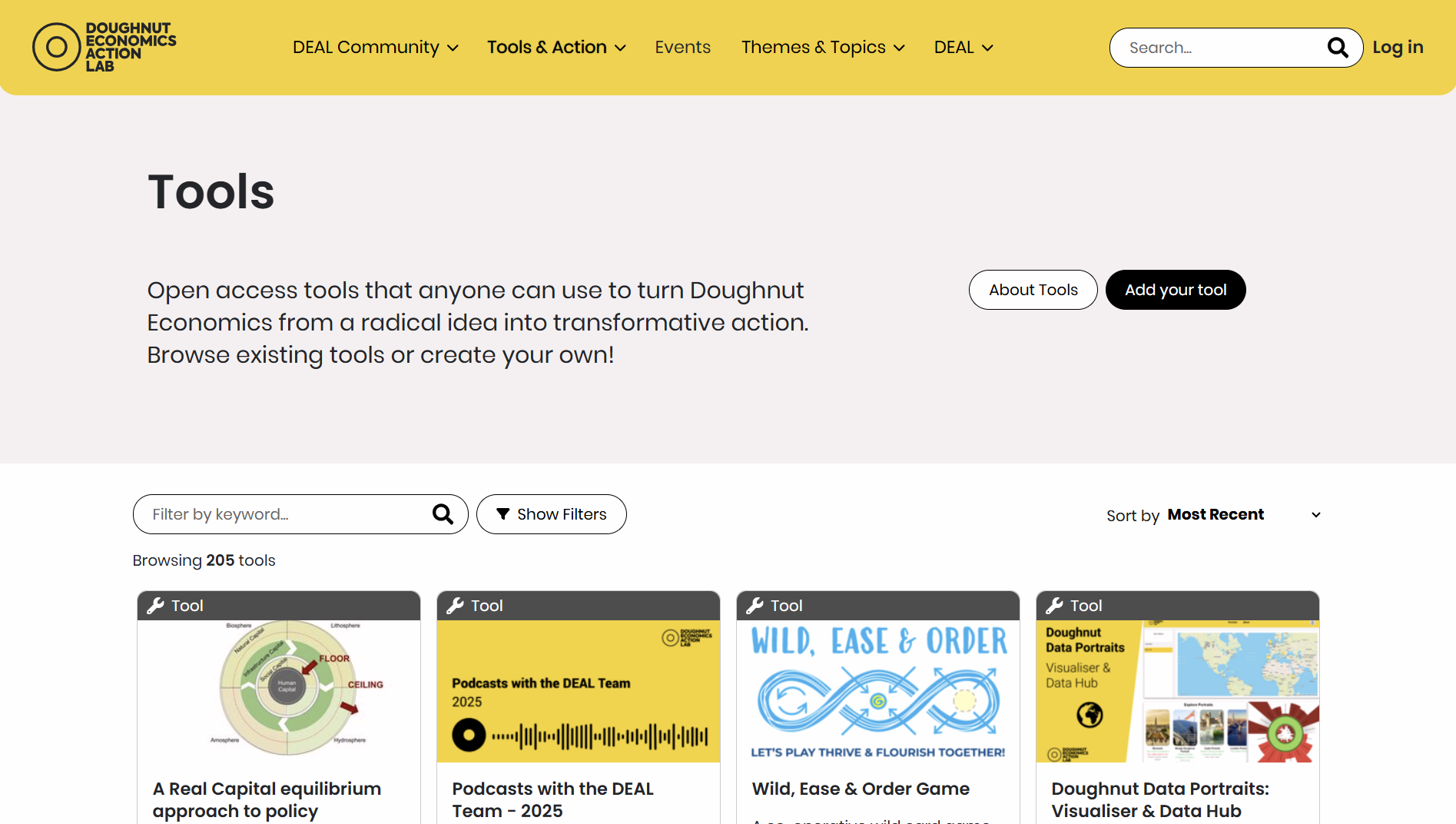
Doughnut Economics Action Lab
Doughnut Economics Action Lab tools provide practical frameworks, guides, and interactive resources to apply Doughnut Economics in policy, business, and place-based contexts, supporting decision-making that balances social foundations with ecological limits through evidence-informed, adaptable methodologies.
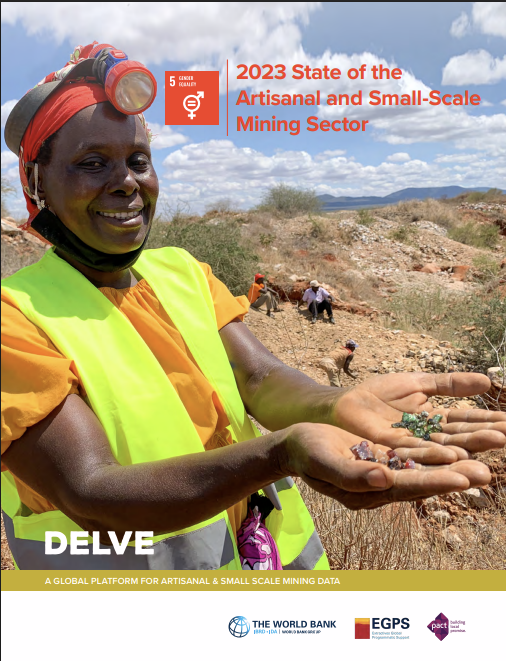
State of the artisanal and small-scale mining sector series
This series provides an overview of the artisanal and small-scale mining sector, examining its structure, operating context, and governance considerations. It explores economic, social, environmental, and regulatory dimensions to support informed analysis, comparison, and ongoing assessment of developments across the sector over time.
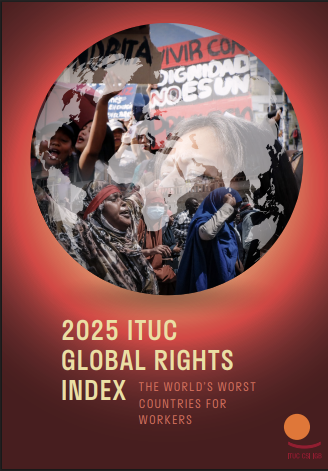
Global rights index series
This benchmark series provides an annual, country-level assessment of how governments and employers respect internationally recognised labour rights. It offers a consistent framework to compare workers’ rights protections across regions and over time, supporting analysis of legal conditions, enforcement practices, and systemic risks affecting working people.

International Trade Union Confederation (ITUC)
International Trade Union Confederation (ITUC) is a global trade union federation representing national union centres worldwide. It advocates for workers’ rights, democracy, and social justice through research, policy advocacy, and campaigns. ITUC publishes the Global Rights Index and engages with governments, employers, and multilateral institutions on labour standards globally issues.
Sustainable Finance Roundup January 2026: Geopolitics, Energy Transitions, and Systemic Risk
This month’s sustainable finance article roundup examines a landscape increasingly shaped by geopolitics and climate risk, as near-term fragmentation, energy security, and affordability pressures collide with intensifying long-term threats from climate change, biodiversity loss, and water stress. The works featured analyse how these dynamics are reshaping capital allocation, disclosure, and resilience planning, demonstrating the growing need for sustainable finance to integrate geopolitical risk with real-economy transition.
Corporate climate responsibility monitor series
The Corporate Climate Responsibility Monitor is a recurring research series that independently assesses the transparency, integrity and credibility of corporate climate strategies. It evaluates how major global companies set, disclose and implement emission reduction targets, using a consistent methodology to enable year-on-year comparison across sectors.
10 New insights in climate science series
The 10 New Insights in Climate Science is an annual series that synthesises recent peer-reviewed climate research across natural and social sciences. It provides a concise, policy-relevant overview of emerging scientific developments to inform decision-makers, practitioners, and stakeholders engaged in climate policy, finance, and governance.
The global tipping points series
The Global Tipping Points Report is a research series examining Earth system tipping points and positive tipping dynamics. It synthesises interdisciplinary evidence on systemic risks, governance considerations and pathways for transformation, supporting decision-makers in understanding non-linear climate and environmental change across global systems.
State of supply chain sustainability series
The State of Supply Chain Sustainability is an annual benchmark series that examines how organisations define, govern, and implement environmental and social sustainability across global supply chains. It provides a consistent research framework to track evolving practices, pressures, and management approaches over time.
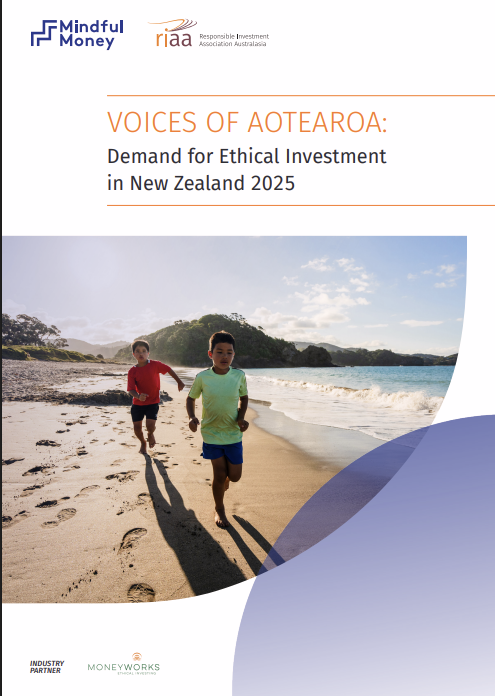
Voices of Aotearoa: Demand for ethical investment in New Zealand series
This annual research series examines public attitudes, expectations and behaviours relating to ethical, responsible and impact investing in New Zealand. It tracks how consumers engage with investment choices, transparency, fund practices and adviser interactions, providing a consistent evidence base to monitor evolving demand over time.
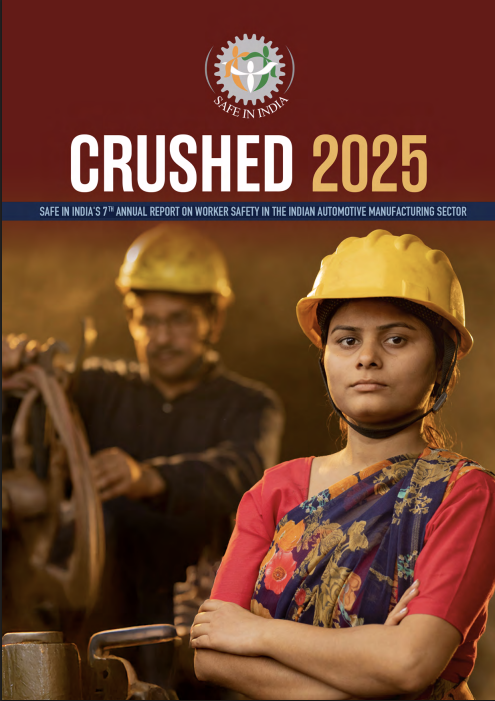
Crushed series
CRUSHED is a longitudinal research series by the Safe in India Foundation assessing worker safety in India’s automotive manufacturing and supplier ecosystem. Drawing on annual field evidence across multiple years, the series tracks workplace conditions, governance practices, and enforcement gaps to support consistent analysis over time.

European Centre for Constitutional and Human Rights (ECCHR)
European Center for Constitutional and Human Rights is an independent human rights organisation using strategic litigation and legal advocacy to advance accountability worldwide. ECCHR works on business and human rights, international crimes, migration, and democratic freedoms, producing casework, research, and public interventions for courts, policymakers, and civil society globally.


