
Library | Sustainable Finance Practices
Industry standards and guidance
Voluntary standards, non-legislative frameworks, methodologies, and best-practice guidance that support financial institutions in achieving sustainability objectives.
Refine
283 results
REFINE
SHOW: 16


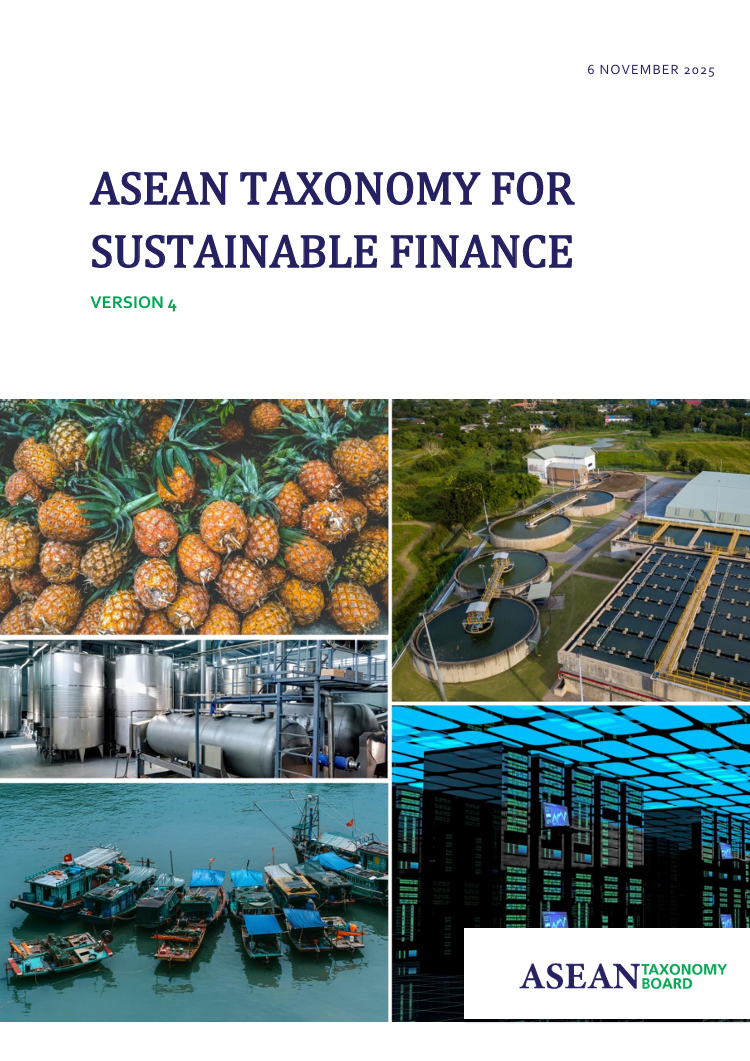
ASEAN taxonomy for sustainable finance series
The ASEAN Taxonomy for Sustainable Finance is a benchmark series that provides a common framework to classify sustainable economic activities across ASEAN. It guides financial institutions, policymakers and market participants in assessing environmental objectives, supporting an orderly transition and alignment with regional and international sustainable finance standards.
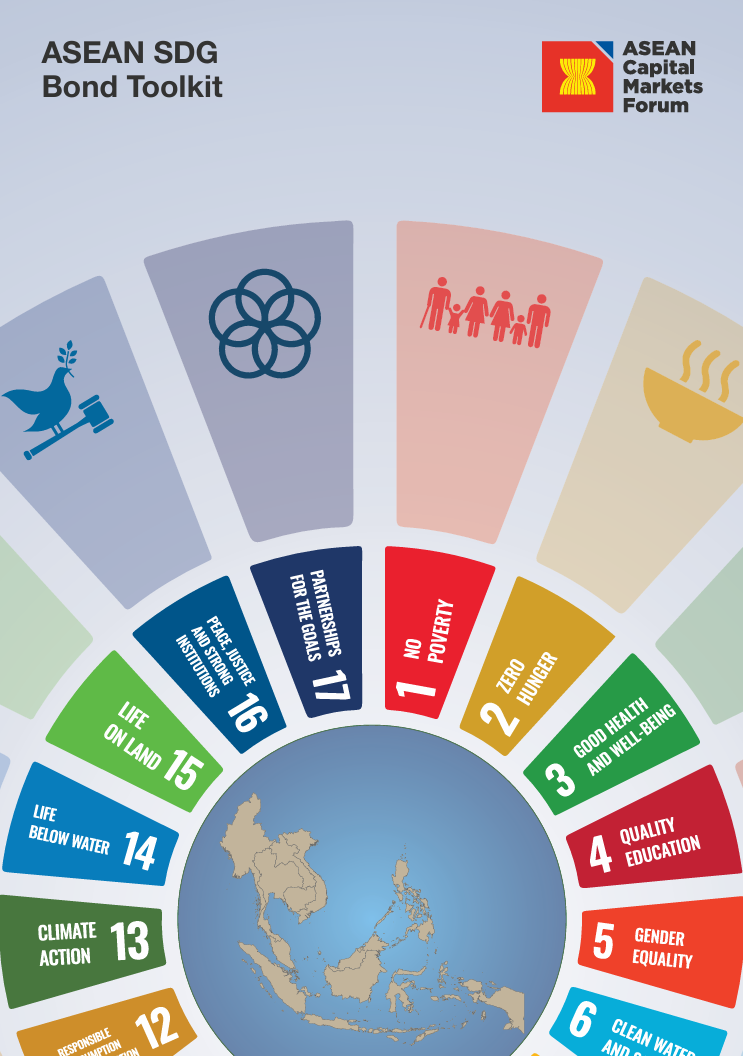
ASEAN SDG Bond Toolkit
Provides practical guidance for issuing SDG bonds in ASEAN, outlining principles, processes, and frameworks aligned with green, social and sustainability bond standards. It explains SDG mapping, eligibility criteria, reporting practices, and market context to support issuers in mobilising capital for sustainable development.
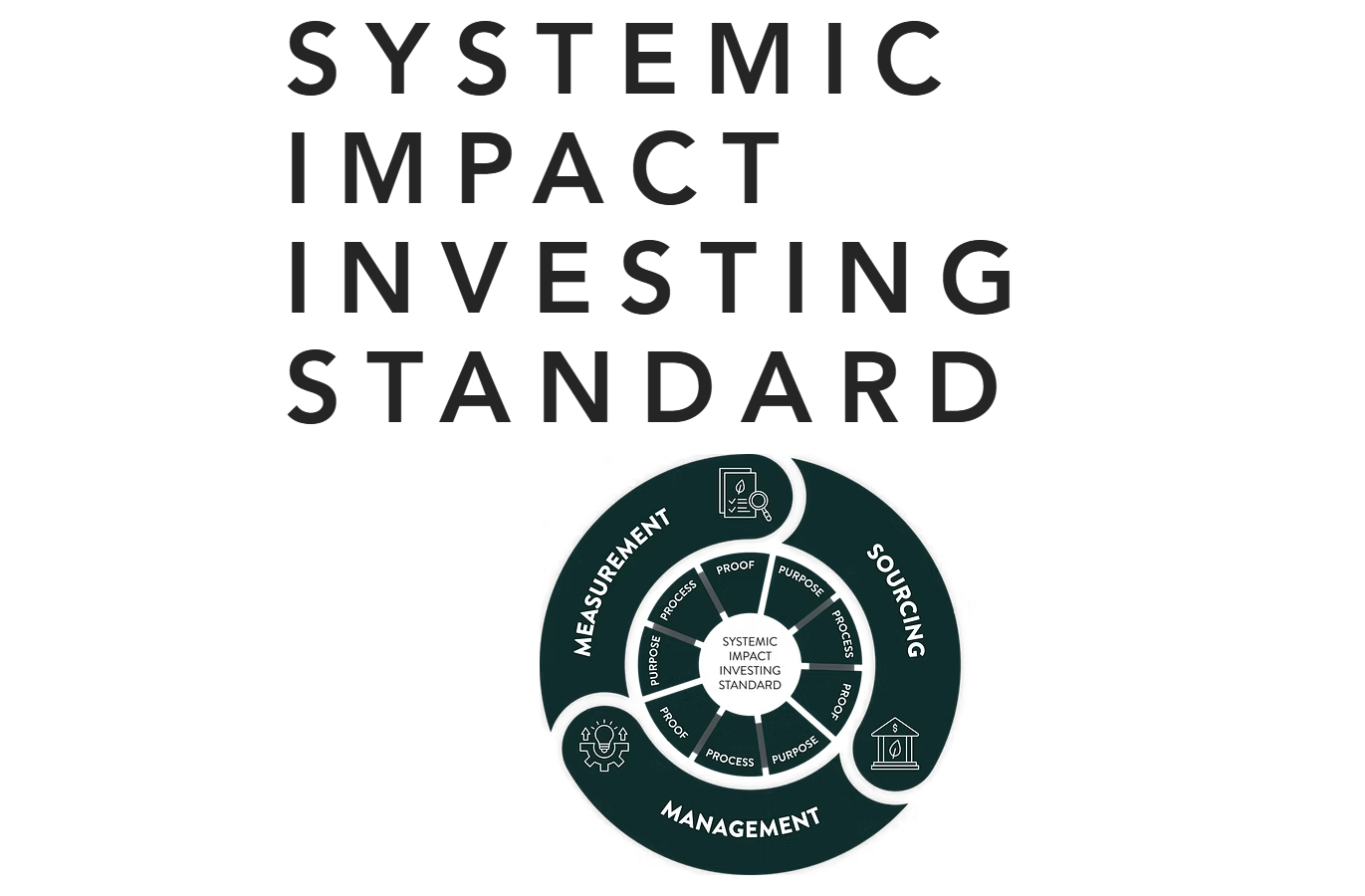
Systemic Impact Investment Standard
The Systemic Impact Investing Standard is an independently audited framework enabling asset owners to assess whether asset managers’ strategies, processes and outcomes align with delivering systemic impact. It supports improved investment decision-making by emphasising sourcing, management and measurement practices that generate credible, system-level social and environmental outcomes.
UK Stewardship Code 2026
The UK Stewardship Code (2026) sets voluntary principles for asset owners, managers and service providers to demonstrate effective stewardship through transparent, outcomes-focused reporting, supporting responsible capital allocation and long-term value creation for clients and beneficiaries.
The Core Carbon Principles (CCPs)
The Core Carbon Principles are a global benchmark developed by the Integrity Council for the Voluntary Carbon Market to assess the quality of carbon credits. They set standards for transparency, governance and environmental integrity, helping market participants identify credible credits and improve confidence in voluntary carbon markets.
GRI Standards
The GRI Standards are globally recognised sustainability reporting guidelines enabling organisations to disclose economic, environmental and social impacts in a consistent and comparable way. They support transparency, accountability and informed decision-making by helping organisations identify, measure and communicate material ESG impacts and contributions to sustainable development.
IFC's performance standards on environmental and social sustainability
The IFC Performance Standards (2012) form part of the Sustainability Framework, setting requirements for clients to identify, manage, and mitigate environmental and social risks in financed projects. They comprise eight standards covering areas such as labour, resource efficiency, biodiversity, and community impacts, and are widely used as a global benchmark for responsible investment.
Investor climate action plans series
This series provides guidance for investors on developing and assessing climate action plans using the ICAPs Expectations Ladder. It outlines approaches across investment, corporate engagement, policy advocacy, disclosure and governance to support alignment with net zero pathways and improve management of climate-related risks and opportunities.
Climate-related risks and opportunities and the disclosure of material information
This educational material explains how entities apply AASB S2 to identify and disclose material information on climate-related risks and opportunities affecting cash flows, access to finance and cost of capital. It outlines concepts such as value chains, dependencies and impacts, and provides a four-step process for assessing and reporting material climate-related information.
Mandatory climate reporting in Australia: A practical guide for 2026
Australia’s mandatory climate reporting regime began implementation from 2025, aligned with ISSB IFRS S2 standards. This guide explains regulatory expectations, governance responsibilities, emissions data requirements and practical steps organisations should take in 2026 to establish compliant climate disclosures, integrate climate risks into financial reporting, and prepare for assurance and regulatory scrutiny.

Singapore-Asia taxonomy for sustainable finance
The report outlines the Singapore-Asia Taxonomy for Sustainable Finance, a science-based classification framework defining green, transition (amber) and ineligible economic activities. It provides technical screening criteria—primarily for climate change mitigation—to guide financial institutions, investors and policymakers in directing capital towards environmentally sustainable and low-carbon transition activities across Singapore and ASEAN.
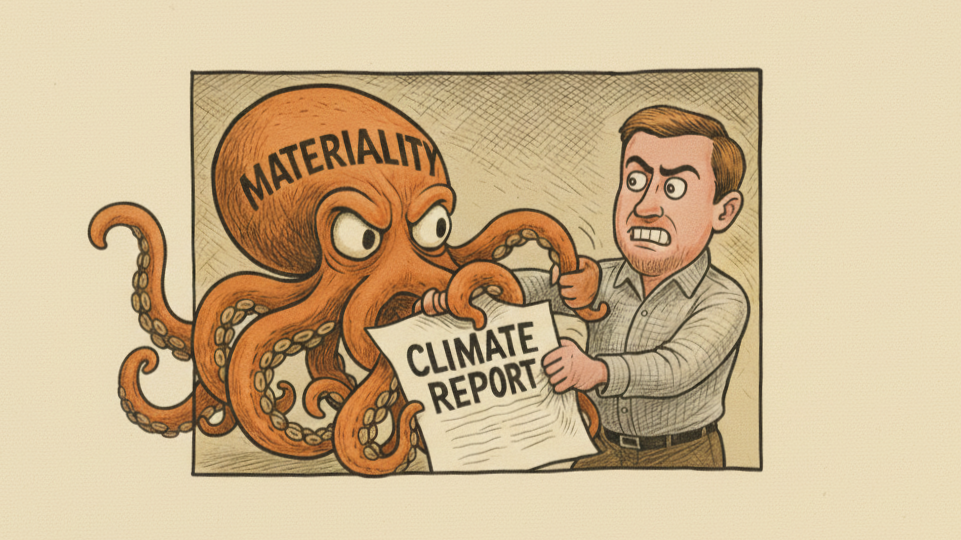
Disentangling materiality and climate reporting
This article explains how the concept of materiality applies in AASB S2 climate disclosures and why it is often misunderstood. It distinguishes between material information, climate risks, emissions reporting, and ESG double materiality assessments, offering practical guidance for preparing compliant climate reports.
Turning the tide: How to finance a sustainable ocean recovery
This report provides guidance for financial institutions on financing a sustainable blue economy. It outlines principles, sector-specific criteria and case studies to support responsible investment in ocean-related sectors including seafood, ports, maritime transport, marine renewable energy and coastal tourism, aligning finance with ocean protection and long-term economic sustainability.
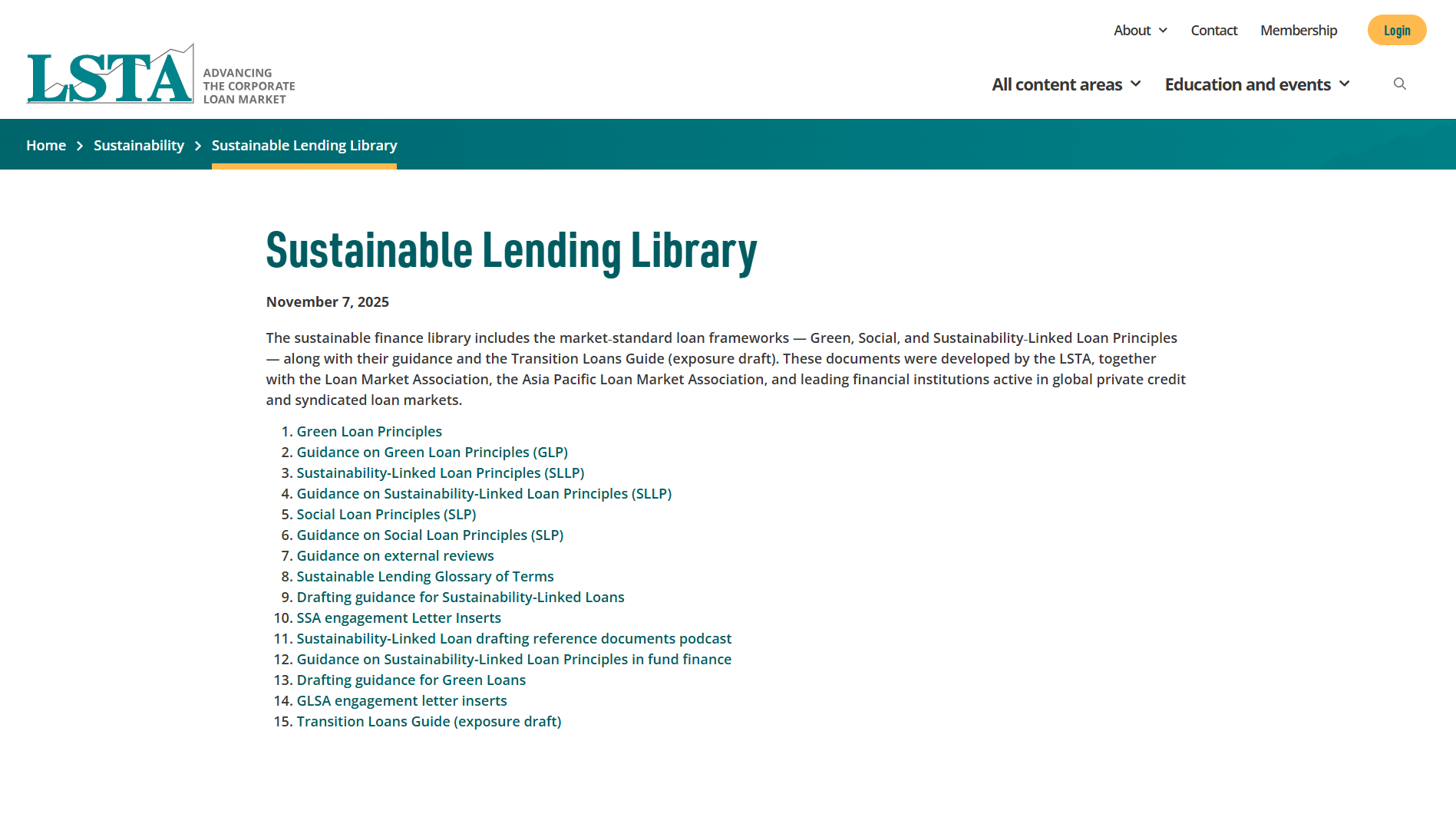
LSTA Sustainable Lending Library
The LSTA Sustainable Lending Library compiles market-standard frameworks and guidance for green, social and sustainability-linked loans, plus a draft Transition Loans Guide. Developed with LMA and APLMA, it supports consistent application of sustainable finance principles in private credit and syndicated loan markets.
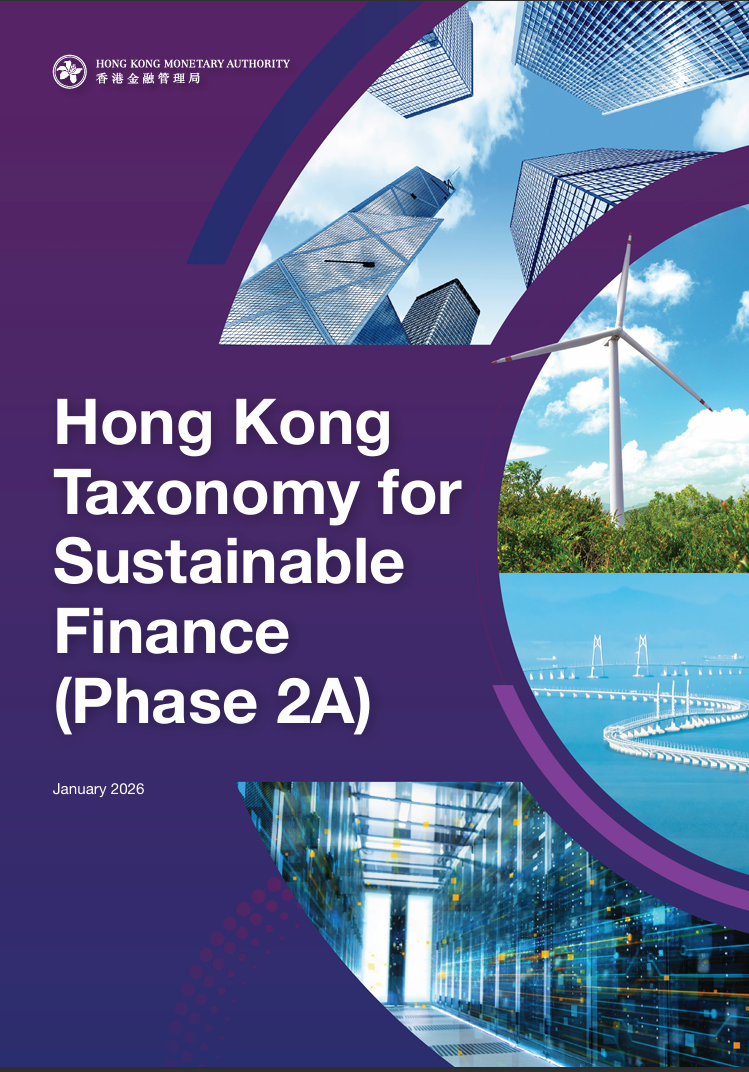
Hong Kong taxonomy for sustainable finance (phase 2A)
Phase 2A of the Hong Kong Taxonomy for Sustainable Finance sets out detailed criteria for classifying environmentally sustainable activities, aligned with international taxonomies. It covers additional sectors, technical screening thresholds, and transition activities, aiming to enhance transparency, comparability and capital allocation towards climate mitigation and adaptation in Hong Kong.

Equator Principles Association (EPA)
Equator Principles is a global risk management framework for financial institutions to identify, assess and manage environmental and social risks when financing large projects. It sets baseline standards for responsible project finance and supports sustainable investment decisions across industries, helping lenders integrate environmental, social and governance (ESG) risk criteria.


