
Library | Sustainable Finance Practices
Strategy and Organisational change
Guidance on embedding sustainability into organisational strategy, leadership, governance, culture, and systems to drive long-term transformation.
Refine
267 results
REFINE
SHOW: 16


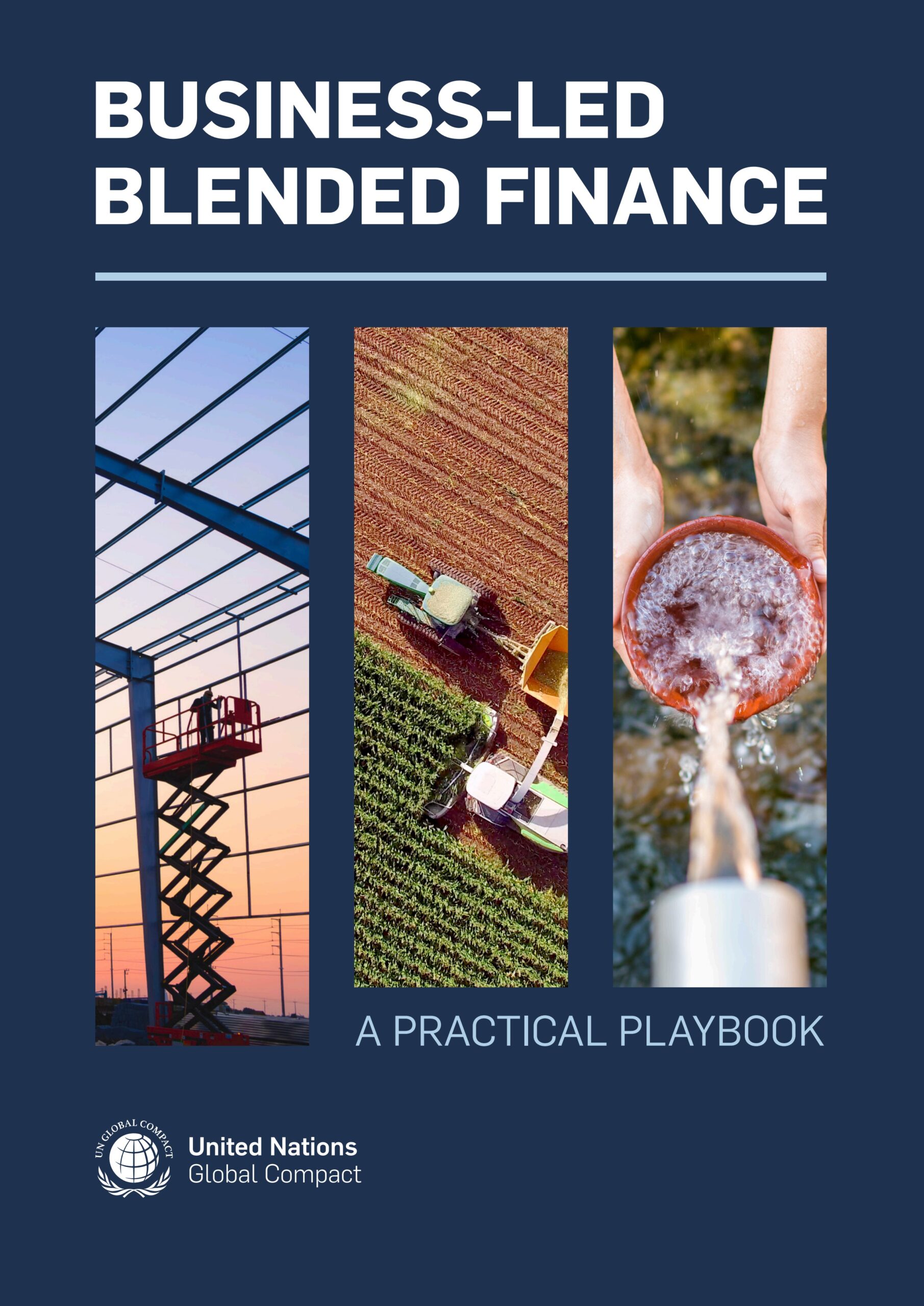
Business-led blended finance: A practical playbook
This report examines business-led blended finance, which grew to US$24 billion in 2024. It provides a practical playbook for companies to move from passive recipients to active deal architects, addressing the US$4 trillion SDG financing gap through risk management toolkits, sector analyses, and eight global case studies.
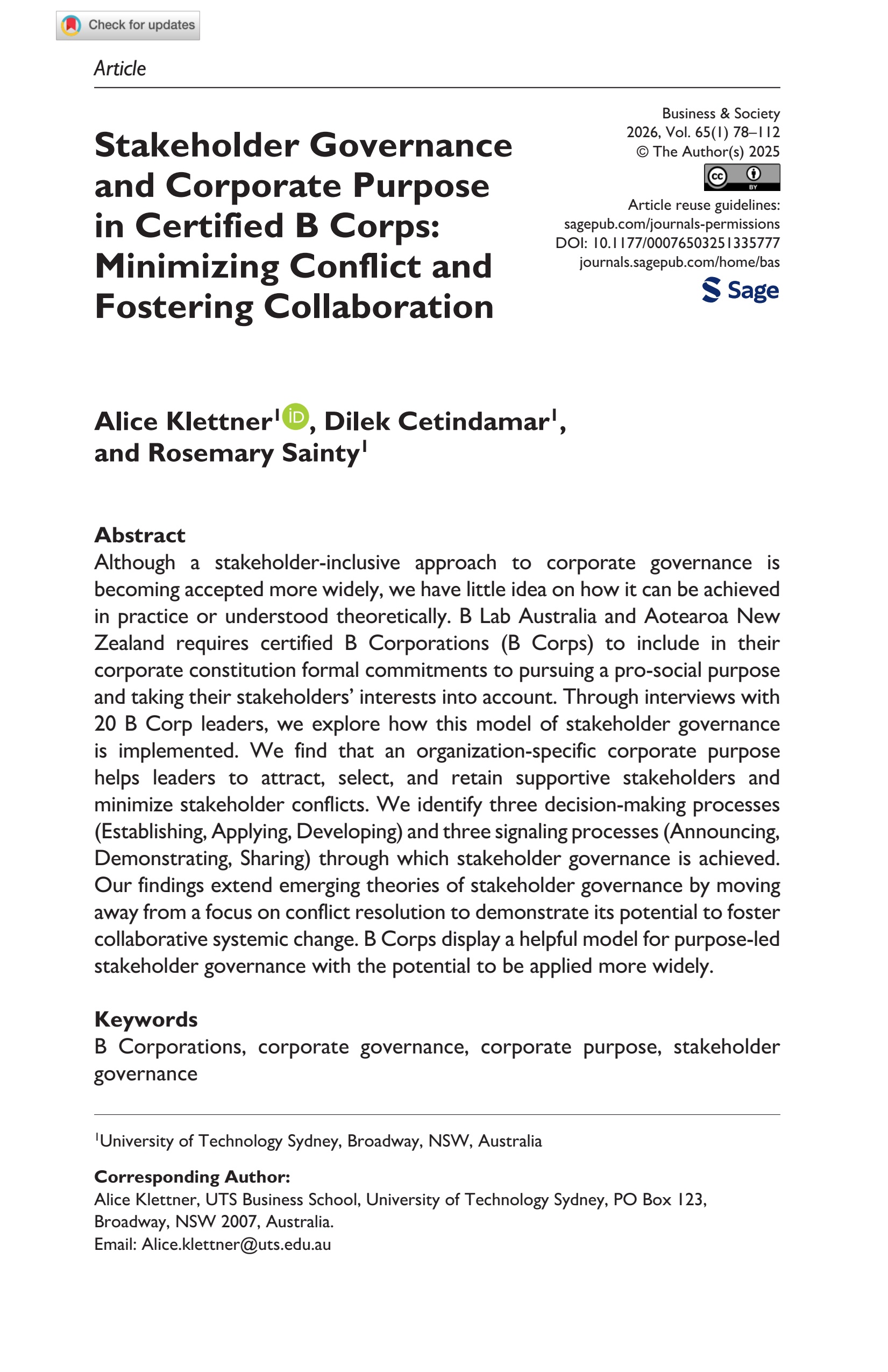
Stakeholder governance and corporate purpose in certified B Corps: Minimizing conflict and fostering collaboration
This research examines how Australian and New Zealand B Corporations implement stakeholder governance through corporate purpose. Based on 20 interviews, it identifies six roles for purpose in decision-making and signalling. The findings suggest that purpose-led models help attract supportive stakeholders and foster collaboration beyond mere conflict resolution.
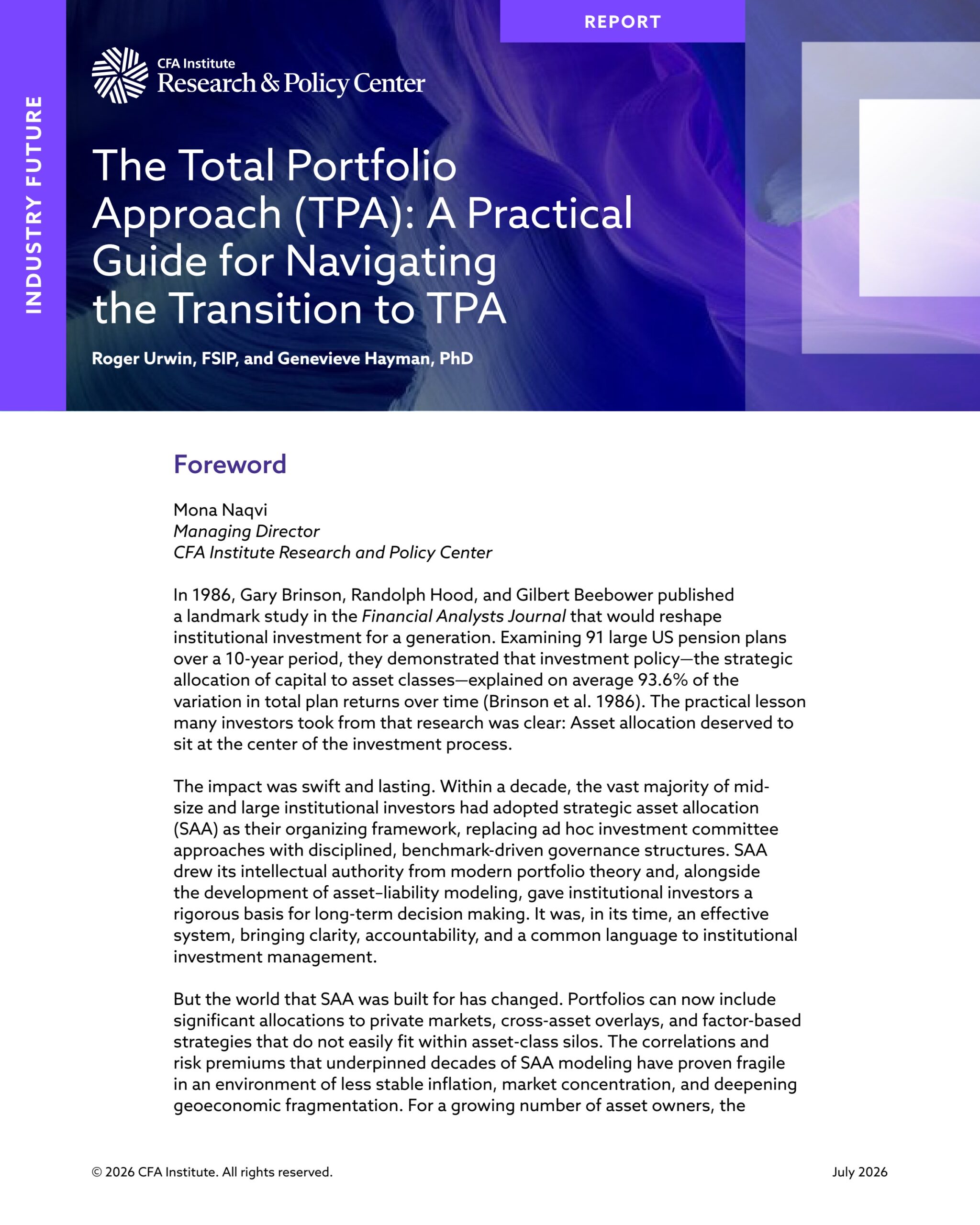
The total portfolio approach (TPA): A practical guide for navigating the transition to TPA
The report examines the Total Portfolio Approach as an alternative to traditional strategic asset allocation. Drawing on interviews and survey evidence, it explains TPA’s investment, governance, risk, sustainability and organisational foundations, outlines a five-level transition pathway, and provides practical guidance for asset owners assessing readiness and implementation.
Environmental crime: From blind spot to business risk
This report identifies environmental crime as an illicit economy worth USD 300 billion, posing significant financial risks to global businesses. It examines how illegal goods permeate supply chains and details tightening regulations. The research provides strategic actions for organisations to improve traceability and manage exposure effectively.
Women's empowerment principles series
This series examines how businesses integrate women’s empowerment and gender equality across leadership, workplaces, marketplaces and communities. It uses the Women’s Empowerment Principles Gender Gap Analysis Tool to assess corporate policies and practices, support benchmarking and identify opportunities for businesses to strengthen gender equality approaches over time.
Corporate Health Check 2026: The annual state of Earth-positive business action
The CDP 2026 Corporate Health Check, produced with Oliver Wyman, demonstrates that environmental leadership aligns with financial performance. While a 15% leadership cohort achieves 4% annual emission reductions, a major gap persists in adaptation finance. The report identifies four key levers for building resilience and capturing emerging commercial opportunities.
FCLT Gold Standard: Information and resources
FCLTGlobal’s Gold Standard provides criteria for asset owners, asset managers and companies to support long-term value creation. It outlines recommended practices across governance, incentives, engagement, metrics and future success, including long-term performance measurement, aligned remuneration, sustainability reporting, carbon pricing, diverse decision-making and investment in innovation.
The role of investors in measuring and achieving lower embodied carbon in real estate and infrastructure
This guidance outlines strategies for Australian investors to manage and reduce embodied carbon in real estate and infrastructure. It details a maturity pathway from benchmarking to achieving reductions, highlighting mandatory reporting requirements and strategic benefits. The document provides specific actions for equity and debt investors to align with net-zero pathways.
Tips on effective grievance mechanisms for businesses
This report outlines strategies for businesses to implement effective grievance mechanisms aligned with UN Guiding Principles. It highlights how robust engagement can prevent potential financial losses of $25-40 million. Guidance covers design, internal governance, and maintaining effectiveness in high-risk environments to build stakeholder trust and ensure human rights compliance.
Intentional Endowments Network (IEN)
IEN is a peer-learning network supporting endowments and foundations to integrate climate and social inequality considerations into investment strategies.
Responsible investing maturity matrix: Emerging markets
A maturity framework for VC funds and LPs to assess ESG and responsible investment integration across emerging market fund operations.
Corporate diversification and corporate carbon performance
This research examines how corporate diversification and cash flow coinsurance reduce carbon intensity in Japanese firms. It finds that industrial diversification alleviates financing constraints, enabling substantial decarbonisation investments. The effect is most significant in carbon-intensive industries and for Scope 1 emissions following the Paris Agreement.
Insurers' resilience toolkit: A practical taxonomy of climate adaptation and resilience measures
This research provides a practical taxonomy for the insurance sector to advance climate adaptation and resilience. Analysing over 200 measures, it highlights structural barriers and enabling conditions for scaling initiatives. The report advocates for a shift from post-event compensation towards proactive risk reduction and long-term stakeholder engagement.
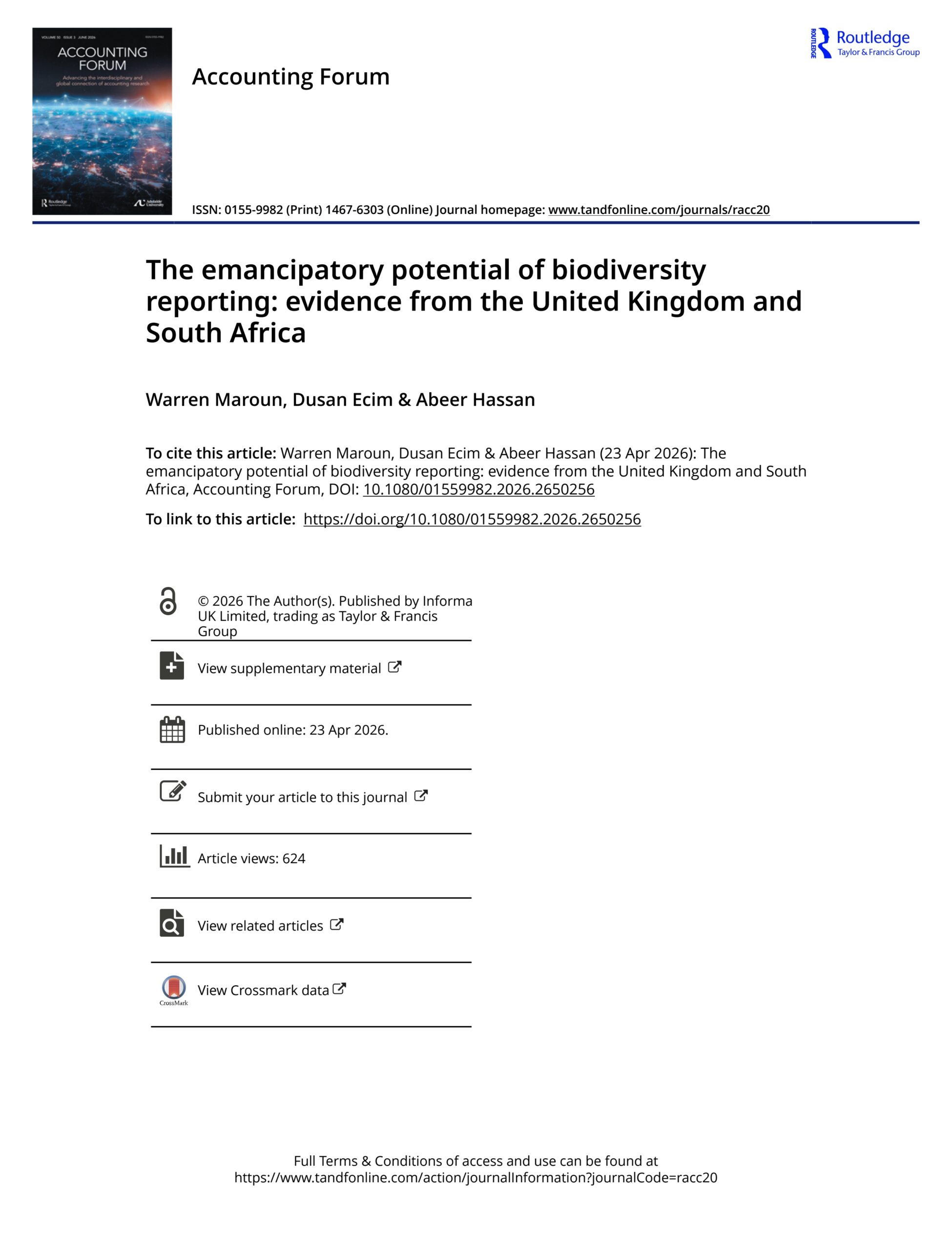
The emancipatory potential of biodiversity reporting: Evidence from the United Kingdom and South Africa
This research evaluates the emancipatory potential of biodiversity reporting within the United Kingdom and South Africa. Analysing disclosures from 2018 to 2022, it finds significant increases in reporting intensity. The study presents a principles-based framework to distinguish between compliance-oriented disclosures and transformative, action-oriented environmental reporting.
A well-adapted UK: The fourth independent assessment of UK climate risk (CCRA4-IA)
This report assesses the UK’s climate risks to 2050, identifies priority adaptation actions across key sectors, and outlines investment, policy and governance measures to strengthen resilience. It provides evidence-based recommendations to support climate adaptation planning and reduce long-term economic and societal impacts.
Transition Acceleration Framework (TAF)
TAF is a forward-looking analytical framework by Rhodium Group that evaluates where climate investment and policy will accelerate decarbonisation.


